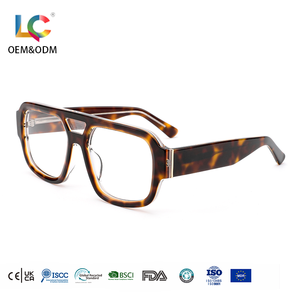

Explore our export-grade aviator, geometric double-bridge, high-density acetate, and pediatric optical frames tested to international ophthalmic tolerances.
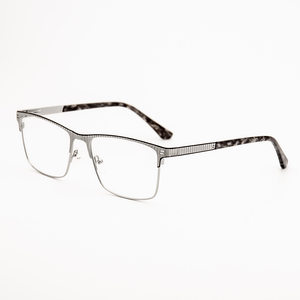
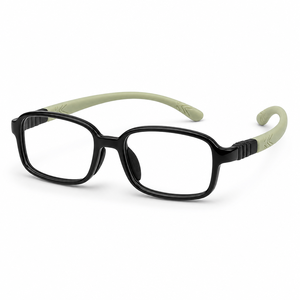
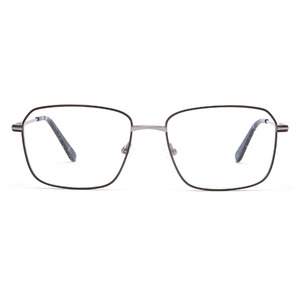
A comprehensive examination of mechanical durability, sweat corrosion immunity, ophthalmic grooving geometry, and compliance requirements under European Medical Device Regulation.
The aviator optical frame, characterized by its iconic double bridge, teardrop contour, and lightweight architecture, represents one of the most commercially durable silhouettes in modern eyewear. However, converting a heritage aesthetic into an ophthalmic medical device requires strict engineering discipline. Under the current European Medical Device Regulation (EU MDR 2017/745), corrective spectacle frames are classified as Class I medical devices. Optical brand buyers, retail chains, and international distributors importing frames into the EEA must guarantee not only aesthetic distinction but also absolute physiological safety, dimensional stability, and traceable metallurgical formulation.
As an export-dedicated optical manufacturing facility backed by an eyewear lineage dating back to 1879, our engineering division bridges the gap between artisan finishing and clinical conformity. Every CE-certified aviator prescription frame fabricated in our automated facility undergoes rigorous stress testing against EN ISO 12870:2018 (Ophthalmic Optics – Spectacle Frames – Requirements and Test Methods). This standard dictates that frames subjected to mechanical endurance tests maintain their structural shape through 500 complete open-close hinge cycles, resist facial perspiration exposure without dermal nickel transfer exceeding 0.5 μg/cm²/week under REACH Regulation (EC) No 1907/2006, and show zero thermal degradation when subjected to prolonged incubation at 55°C.
Full Technical Documentation file generation, including Biological Evaluation Reports (ISO 10993-5 cytotoxicity and ISO 10993-10 irritation testing), CE Declaration of Conformity (DoC), and unique device identification (UDI) tagging compliance.
Constructed utilizing Grade 2 pure beta-titanium, nickel-free surgical monel, and stainless steel wire cores sourced from regulated mills. Exceptional yield strength-to-density ratio prevents temple bowing and orbital frame warping.
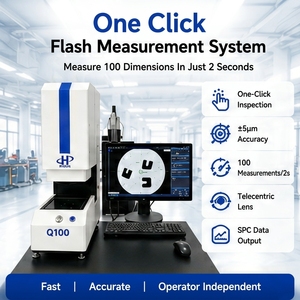
Deploying automated telecentric vision systems, such as the HSD-Q100 optical flash measuring machine, to audit frame wrap angles (pantoscopic tilt), bevel V-groove angle (110° ± 1.5°), and pupillary alignment at 100% batch rates.
A breakdown of mechanical, chemical, and ophthalmic glazing properties across popular frame substrates.
| Material Classification | Tensile Strength & Elasticity | Weight Profile (54mm Aviator) | Prescription Glazing Capability | Corrosion & Hypoallergenic Rating |
|---|---|---|---|---|
| Japanese Beta-Titanium (β-Ti 15-3-3-3) | Ultra-High (1,050 MPa yield); memory recovery after mechanical shock | 6.8g – 8.2g (Extremely lightweight) | Optimal for high-index negative diopters up to -8.00D with step-beveling | 100% Bio-inert, impervious to salt sweat, Grade 5 corrosion immunity |
| High-Density Cellulose Acetate (Mazzucchelli Grade) | Moderate (65 MPa); thermal memory stabilization required during barrel tumbling | 18.5g – 24.0g (Substantial tactile presence) | Broadest edge thickness masking for high minus powers (-4.00D to -10.00D) | Phthalate-free plasticizers prevent skin migration; dermatologically neutral |
| Medical Stainless Steel (AISI 304L / 316L) | High (750 MPa); rigid structure with structural laser welding integration | 11.5g – 14.2g (Balanced counterweight) | Standard V-bevel compatibility with nylon thread semi-rimless grooving | Passivated chrome-oxide surface layer resists saline breakdown |
| High-Recovery Surgical Memory Metal (NiTi) | Superelastic (recovers from 8% deflection strain without plastic deformation) | 9.0g – 10.5g (Flexible performance) | Requires calibrated edger clamping pressure to eliminate lens popping | Coated with multi-layer PVD vacuum plating to seal nickel ion discharge |
A common vulnerability in traditional aviator sunglasses adapted for prescription lenses is optical distortion induced by excessive base curve (Base 6 to Base 8). When an optical lab attempts to glaze a prescription lens (-4.00D or +3.00D) into a high-wrap aviator frame, prismatic aberration, peripheral blur, and rim splaying inevitably occur. Our factory re-engineers aviator prescription frames around a flat Base 4 or Base 2 orbital geometry. This design change minimizes vertex distance variations, aligns the optical center with the wearer's line of sight, and accommodates progressive addition lenses (PAL) without degrading corridor progression.
Technological convergence, bio-circular circularity, and digitizing the optical supply chain.
Pioneered by technical brands such as Monoqool, screwless polyamide-12 (PA12) 3D-printed front fronts combined with surgical metal double bridges represent a fast-growing category. Optical buyers benefit from zero-tooling cost rapid iteration, zero raw material waste, and frames weighing under 10 grams.
Global optical retail conglomerates are enforcing strict ESG supplier audits. The future belongs to bio-based acetates utilizing certified wood pulp, recycled cotton fibers, and vegetable-derived triethyl citrate plasticizers, achieving biodegradation under ISO 14855 standards within 115 days without compromising dimensional stability.
Moving away from generic military silhouettes, modern procurement focuses on geometric variations: hexagonal aviators, octagonal double bars, and architecturally milled acetate rim inserts. This transition meets both boardroom aesthetics and ergonomic dispensing criteria across North America and Europe.
Combining 145 years of optical brand design heritage with high-throughput precision automated manufacturing.
Unlike generic trading houses, our production architecture is guided by five generations of hands-on optical dispensing expertise dating back to 1879. Our parent company, Studio Optyx, steered by optical veterans Jack Erker III and Tony Erker, established its reputation by producing celebrated independent labels including Erkers1879, NW77th, The Neighbors, and Tocco Eyewear, alongside distributing cutting-edge international lines such as Monoqool (screwless 3D printed frames) and Parisian ba&sh Eyewear. We understand how an optical frame balances on the human nasal bridge, how an optician manipulates a three-piece barrel hinge, and why temple wire core tension matters during cold adjustments.
From 5-axis CNC frame milling, multi-tier tumbling in natural beechwood chips, manual artisanal polishing, to automated robotic electroplating and PVD vacuum coating. We manage every production step in-house to protect proprietary designs and preserve quality consistency.
Complete export documentation support. We provide full technical construction files, laboratory chemical assay certificates, batch tracking numbers, and compliance records required by customs authorities across the European Union, United States, and the United Kingdom.
Flexible manufacturing arrangements for boutique optical chains, national brand holders, and e-commerce optometry labels. Services encompass laser temple engraving, custom nose pad stamping, customized pantoscopic angle tooling, and eco-friendly packaging integration.
Clear guidance covering minimum orders, certification validation, metallurgical specs, and ophthalmic glazing tolerances.