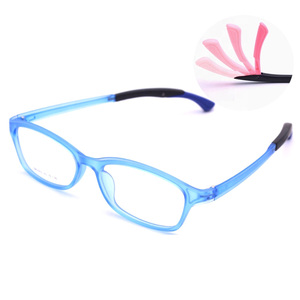
Direct supply line engineered to eliminate intermediate markups. Each frame design passes rigorous CE MDR 2017/745 testing and biocompatible skin-contact safety verification.
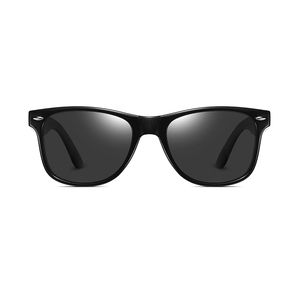
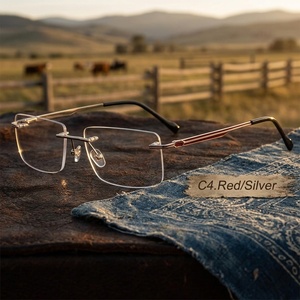
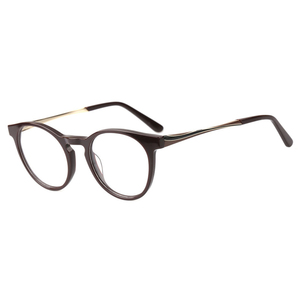
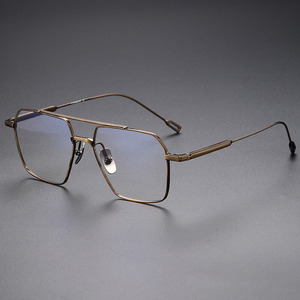
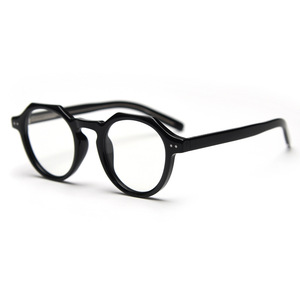
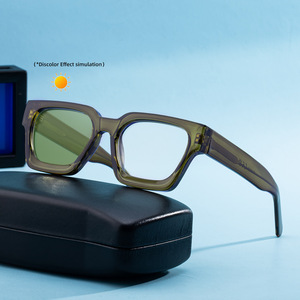
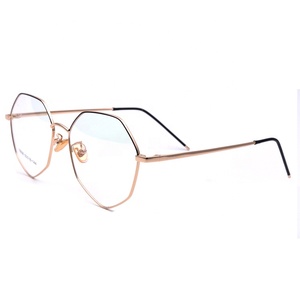
In wholesale optical manufacturing, precision begins at the polymer level. TR90 (polyamide thermoplastic) represents a technological paradigm shift over traditional cellulose acetate and cold-pressed polycarbonates. Produced primarily via transparent polyamide injection, TR90 exhibits an exceptionally high alternating bending fatigue strength, an ultra-low density of roughly 1.14 g/cm³, and outstanding resistance to thermal stress.
For high-volume optical exporters and B2B purchasing directors, the commercial value of TR90 centers around dispensing durability and lower return rates. Unlike cheap plastics that yellow or embrittle under ultraviolet exposure, virgin-grade TR90 retains molecular flexural memory up to 350°F (176°C) for short intervals, preventing bridge warping during heated lens insertion. In children’s frames, athletic spectacles, and lightweight reading glasses, this eliminates temple arm snapping and prevents spontaneous stress-fractures around bevel channels.
| Performance Parameter | Swiss Grilamid TR90 Polymer | Standard Cellulose Acetate | Standard Polycarbonate (PC) |
|---|---|---|---|
| Specific Density (Weight) | 1.14 g/cm³ (Extremely Lightweight) | 1.28 – 1.32 g/cm³ (Moderate) | 1.20 – 1.22 g/cm³ |
| Flexural Fatigue Life | > 200,000 deep flex cycles | Moderate (Deforms without heat) | Low (Brittle under repeated flex) |
| Thermal Distortion Threshold | Up to 125°C continuous / 175°C peak | 65°C – 80°C (Requires warm water) | 115°C – 130°C |
| Chemical / Sweat Resistance | Superior (Inert to sebum, alcohol, sweat) | Prone to surface whitening & oxidation | Moderate (Sensitive to organic solvents) |
| Biocompatibility (ISO 10993) | Hypoallergenic (No plasticizers) | Safe (Plasticizers can trigger contact dermatitis) | Safe for topical usage |
Strategic analysis for enterprise frame purchasers, corporate optometry chains, and independent boutique networks preparing for the 2025–2030 market cycle.
Global regulatory bodies and European healthcare programs increasingly favor sustainable optical devices. Leading Tier-1 exporters are adopting bio-based castor bean polyamide precursors (Bio-TR90), matching the elasticity and refractive resilience of petrochemical polymers while cutting the net carbon footprint of optical components by 45%.
Procurement teams are moving away from traditional wire-core pinning. Next-generation designs leverage dual-shot co-injection—pairing TR90 eye-rims with aerospace grade beta-titanium temples or snap-lock, screwless frictionless hinges that eliminate after-sales maintenance for optometry chains.
The transition under Regulation (EU) 2017/745 classifies spectacle frames as Class I non-sterile medical devices. Importers require transparent supply chains, including Technical Documentation Files, ISO 13485 manufacturing lineage, and toxicological certifications verifying zero phthalate leaching.
Combining five generations of American optical heritage with advanced modern polymer manufacturing for wholesale partners worldwide.
Established in 1879 in St. Louis, Missouri, Studio Optyx delivers unmatched manufacturing pedigree. Independent opticians and distribution networks bypass anonymous trading companies, dealing directly with family-backed executive oversight that guarantees frame integrity, precise tolerances, and reliable order fulfillment.
From heritage hand-finished acetates (Erkers1879) and vibrant urban designs (NW77th) to featherweight architectural lines (Tocco) and specialized technical frames, our production facilities scale efficiently across low-MOQ bespoke capsule runs and high-volume containerized wholesale shipments.
Every batch exported undergoes standardized ISO 12870 testing in accredited laboratories: hinge cycle durability (20,000 continuous openings), dimensional stability under elevated temperature, and complete biocompatibility screening for dermal safety.
Technical, compliance, and logistics guidance for international procurement officers and practice owners.
All optical frame shipments include an official EU Declaration of Conformity (DoC) demonstrating adherence to Regulation (EU) 2017/745 for Class I medical devices, EN ISO 12870:2018 optical test certifications, full bill-of-materials declarations, and registered European Authorized Representative (EC REP) trace data on master export cartons.
We source raw granules exclusively from accredited suppliers (such as EMS-Chemie). Every manufacturing run is validated with raw material batch certificates, verifying specific melt index thresholds, UV stabilizer absorption levels, and zero use of reground industrial waste scrap that causes brittleness.
Yes. Our injection molds are engineered to international standard V-bevel and U-bevel optical channel profiles. The high elastic recovery ensures lenses seat firmly without rim-stretching or unwanted axial rotation during glazing, accommodating both high-minus prescriptions and progressive bifocals.
For ready-to-ship stock models across our proprietary brand portfolios, MOQ begins at 50 units per colorway. Custom private-label OEM injection runs requiring unique tooling, custom color formulations, or laser-etched metal hardware typically begin at 300 to 500 units per model, with standard production windows of 35 to 45 days.
Upgrade your practice or distribution network with verified CE Certified TR90 memory optical frames. Connect with our engineering and procurement team for sample kits, technical spec dossiers, and customized wholesale volume pricing.
Send an Inquiry