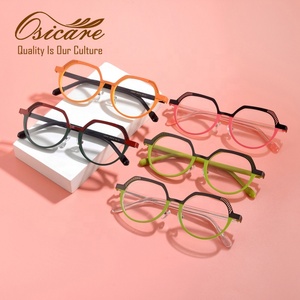

Engineered for high-volume optical distributors, regional boutique eyewear houses, and licensed optometrists. Handcrafted organic cellulose acetate and medical-grade aerospace titanium engineered to high-refraction prescription standards.
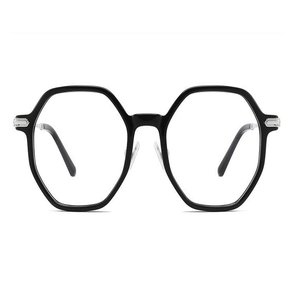
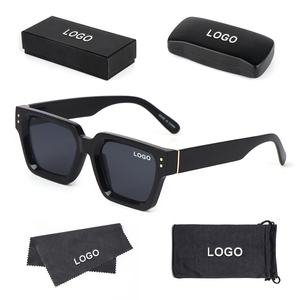
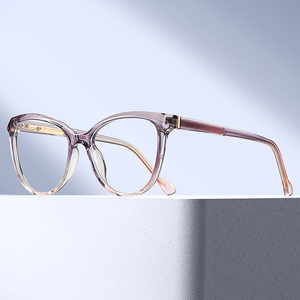
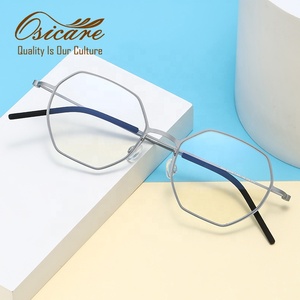
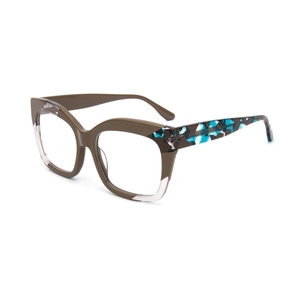
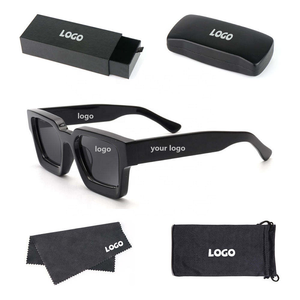
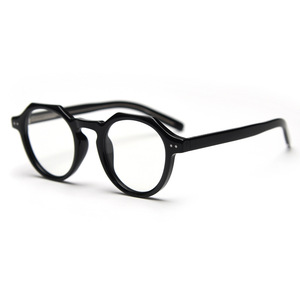
Combining the heritage of five optical generations with cutting-edge CNC five-axis milling and precision metallurgy. As a leading manufacturer and exporter in China, we deliver high-reliability supply chains for independent optometry clinics and international luxury labels.
We process pure Japanese Grade 2 and Beta titanium along with premium block acetate. Our ISO-certified production lines execute multi-stage wire-core co-extrusion, barrel tumbling for 72 hours with natural pumice, and hand-buffing by master technicians with over 20 years of bespoke optical bench experience.
Every frame is engineered from the perspective of an optician. Groove depths, bevel angles, pantoscopic tilt (8° to 12°), and vertex distance tolerances are strictly calibrated to support high-index progressive additions, prism lenses, and complex freeform prescription surfaces without frame flexure or chromatic aberration.
From initial hand renderings and 3D CAD parametric modeling to tooling, physical sampling within 14 days, laser logo etching, and specialized packaging, we provide international B2B buyers an integrated supply chain that safeguards proprietary design intellectual property.
A comprehensive technical brief for optical supply chain directors, brand founders, and corporate eyewear buyers navigating shifting regulations, consumer ergonomics, and material sciences.
Global optical retail is witnessing an unprecedented transition from petroleum-derived polymers to circular eco-acetate (cellulose acetate synthesized using natural diethyl phthalate-free plasticizers from cotton linters and wood pulp). Concurrently, stringent European medical device directives (EU MDR 2017/745) have heightened scrutiny around nickel-release limits under EN 16128.
Modern luxury buyers demand hypoallergenic profiles, leading top tier manufacturers in China to adopt medical-grade titanium vacuum ion-plating (IP) and pure bio-cellulose plates. These formulations offer dimensional stability, higher tensile strength, and resist sweat-induced degradation, maintaining crystalline transparency and rich tortoiseshell depth across prolonged wear cycles.
A prevalent pitfall in generic eyewear manufacturing is overlooking the physical geometry required by modern freeform digital surfacing. High-cylinder prescriptions and progressive addition lenses (PAL) demand an exact eyewire bevel profile with zero bridge torque. Inferior alloys distort under lens-clamping stress, inducing optical aberrations that lead to patient asthenopia and dispensing returns.
Our manufacturing philosophy addresses this through precision-annealed spring hinges and cold-malleable temple cores. Optical technicians can seamlessly execute temple splay, pantoscopic tilt adjustments, and bridge modifications without risk of micro-fracturing the outer acetate sleeve or stripping internal hinge threads.
The post-pandemic procurement paradigm has abandoned hyper-rigid mass production runs of thousands of pieces per SKU. Forward-looking optical distributors and luxury brands now utilize hybrid inventory models—leveraging curated stock programs with private-label rapid laser customization combined with medium-batch custom manufacturing (MOQs of 100 to 300 pieces per colorway).
This agility mitigates seasonal inventory holding risks while giving brands the flexibility to quickly adapt to trending optical silhouettes—such as geometric crown-panto designs, thick architectural 8mm acetate profiles, and screwless 3D-printed additive titanium hinges.
Always demand verified certificates of origin for Italian/Mazzucchelli-grade or domestic premium virgin acetate. Ensure titanium components are tested via spectrometer for Alpha-Beta crystalline phase stability to avoid brittle temple fatigue.
Tier-1 suppliers must present documented reports for 20,000-cycle bridge flexion tests, 48-hour neutral salt spray (NSS) environmental resistance, and artificial sweat resistance tests according to ISO 12870 protocols.
Factor in defect tolerance and warranty replacement speeds. A marginal unit cost saving from an uncertified workshop is often negated by high clinic return rates, lens glazing breakages, and unrepairable hinge failures.
Clear, unvarnished insights into technical specs, certifications, supply chain lead times, and customization protocols for optical professionals.
Our frames fully adhere to international standard ISO 12870 (Ophthalmic optics – Spectacle frames), FDA 21 CFR Part 801 compliance, and the European Union Medical Device Regulation (EU MDR 2017/745 Class I). Frame materials are tested for biocompatibility, skin irritation (ISO 10993), and nickel release non-toxicity.
For custom ODM/OEM production involving custom tooling, our standard MOQ is typically 300 pieces per model (supporting 2 to 3 colorways). For our ready-to-ship stock inventory featuring private laser engraving, hot-foil bridge branding, and custom packaging, MOQs start from as low as 50 pieces.
We specifically calibrate rim-lock hardware, V-groove depth angles (standard 120°), and frame thickness (ranging from 4.0mm to 8.0mm) to accommodate edge thicknesses of high-minus (-6.00D or higher) and high-plus lenses, ensuring aesthetic concealment and zero optical lens warpage.
Yes. Upon completion of digital CAD / 3D rendering sign-off, we produce functional prototypes using SLA 3D printing and single-point CNC milling within 10 to 14 business days. This allows clients to inspect color rendition, fit ergonomics, and optical glazing before mass tool production.
Consult with our lead optical engineers and international account directors. Request material swatch catalogs, technical spec sheets, and volume pricing quotations for your upcoming collection.
Get a Quote