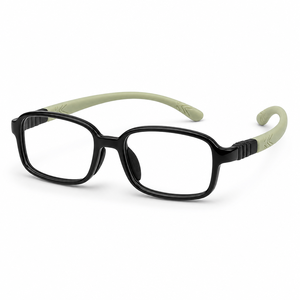

Explore our ready-to-order private label architectures and custom engineered models. From medical-grade pediatric memory silicones to high-density CNC acetate and aerospace carbon composites, each frame meets stringent CE, FDA, and ISO optical compliance standards.
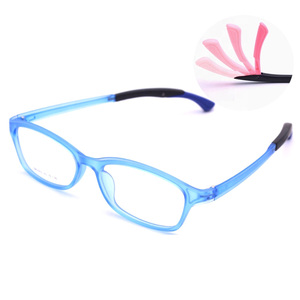
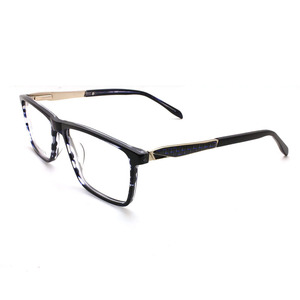
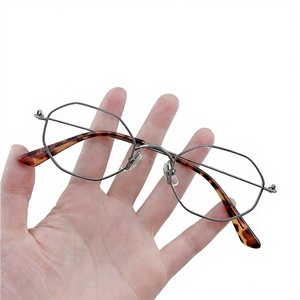
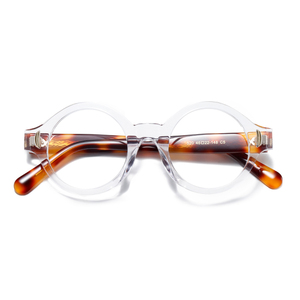

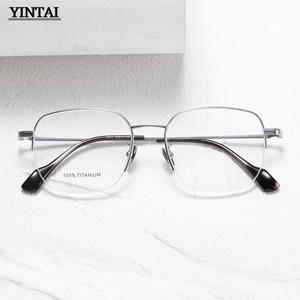
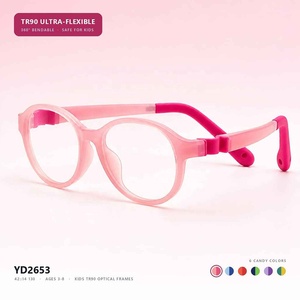
In wholesale optical manufacturing, precision tolerances and metallurgical integrity dictate dispensary profitability. Rooted in optical traditions since 1879, our facility marries historic European hand-finishing with advanced CNC and ultrasonic fabrication ecosystems. Operating across five generations of optical leadership, we empower independent optometrists, multi-location practices, and luxury designer brands with production runs that eliminate retail channel homogenization.
Unlike conventional contract assemblers, our engineering hub coordinates raw material aging for cellulose acetate, vacuum plasma deposition (PVD) for surgical titanium alloys, and high-fidelity testing for micro-hinge mechanisms. From our in-house flagship collections like Erkers1879, NW77th, The Neighbors, and Tocco Eyewear, to technical distribution partnerships with Monoqool 3D polyamide and Parisian couture lines like ba&sh Eyewear, we bridge high-concept aesthetics with mechanical reliability.
| Procurement Pillar | Our Manufacturing Protocol | Standard Wholesale Exporters | Direct Buyer Benefit |
|---|---|---|---|
| Raw Material Aging | Mazzucchelli & bio-acetate cured 60–90 days | Uncured plastic sheets pressed rapidly | Zero temple shrinkage, warping, or loss of adjustment |
| Hinge Micro-Engineering | 5-to-7 barrel riveted hinges & screwless flex titanium | Friction heat-inserted hollow core barrels | Eliminates terminal temple looseness at dispensing |
| Surface Finishing | 72-hour walnut-shell drum tumbling + 3x hand buffing | Flash chemical polishing / dip varnish | Deep, permanent luster resistant to sweat and solvents |
| Pediatric Ergonomics | BPA-free food contact silicone & Grilamid TR90 | Industrial recycled plastic blends | Biocompatible, non-irritating, dynamic cranial recovery |
Independent opticians and multi-store practices are fundamentally changing how they allocate open-to-buy budgets. Explore the structural dynamics driving inventory velocity and margin stability for optical retail operations.
Retail buyers are fleeing multi-conglomerate licensing cartels where gross margins shrink under price transparency and internet show-rooming. Boutiques are switching to protected independent design lines (like Erkers1879 and NW77th) that deliver 65–75% dispensary gross margins, strict territory protection, and no local box-store competition.
Selective Laser Sintering (SLS) has transitioned from prototyping into clinical dispensaries. High-end clientele gravitate toward 3D-printed polyamide frames, popularized by brands like Monoqool. Weighing under 10 grams with zero-screw tension joints, these structures eliminate missing-screw warranty claims while enabling complex, architectural geometries.
Modern optical inventory models reject large, static upfront order books. Successful practices deploy "event-based" purchasing—partnering with dedicated manufacturers who provide trunk-show rotation packages, full sample boards for weekend patient clinics, and targeted re-orders based on proven geographic facial fit metrics.
The intersection of ophthalmic lens requirements, sustainable polymer chemistry, and ergonomic load displacement is redefining frame design.
With increasing global regulations on synthetic chemicals, precision manufacturers are replacing petroleum phthalates with organic triacetin derived from renewable cotton seeds and wood pulp. These biocompatible substrates maintain high transparency indices and allow precise cold-snap lens insertion without stress fracturing.
Single-material frames are being supplanted by multi-layered composite matrixes. By fusing rigid carbon fiber filaments with crystalline TR90 or Japanese beta-titanium wire cores, modern eyewear achieves extreme tensile stiffness across wide bridge spans while offering malleable cold-bendable temple tips for optician adjustments.
Pediatric ophthalmic frames are moving away from breakable metallic components. Modern injection lines utilize dual-shot liquid silicone rubber (LSR) combined with nano-polymer hinges that offer 180° outward rotation and memory recovery, safeguarding both child facial anatomy and dispensary prescription accuracy.
Detailed answers covering minimum order quantities, private label tooling, compliance certifications, and trunk show partnerships.
For our established wholesale collections (including Erkers1879, NW77th, Tocco, and The Neighbors), independent practices can order curated assortments with minimum opening orders as low as 18 to 24 units, allowing optimal board representation without heavy working capital lockup. For custom OEM/ODM private label production runs, bespoke tooling minimums generally start at 300 to 500 pieces per model (divided across 2–3 bespoke colorways), covering custom mold tooling, color compounding, and custom core-wire engravings.
Frame warping is primarily caused by un-aged cellulose acetate containing unstable residual solvents. Our acetate stock undergoes a controlled 60-to-90 day forced-air stabilization and drying kiln process prior to 5-axis CNC router profiling. This preserves material memory and dimensional stability, ensuring that base curve tolerances (standard 4-base and 6-base) remain rigid during high-heat bench dispensing and bevel lens insertion.
Every optical frame leaving our factory complies with ISO 12870:2016 (Ophthalmic optics – Spectacle frames), CE Medical Device Regulation (EU) 2017/745 (MDR) Class I, and US FDA 21 CFR 801.410 (impact resistance requirements). Mechanical QA protocols mandate 25,000-cycle temple endurance fatigue tests, artificial sweat corrosion resistance tests (ISO 3613), and bridge deformability tests.
Yes. We pioneered the boutique trunk show model for independent eye care providers. We dispatch complete regional frame assortments—including full colorway runs of luxury lines and marketing support collateral—directly to your store for dedicated weekend patient events. This allows you to evaluate sell-through rates and patient demand across specific demographics before cementing ongoing replenishment accounts.
Unlike injection molded granules that experience residual directional molding stress, 3D laser-sintered polyamide builds frames layer-by-layer (0.1mm increments) with ultra-fine medical nylon powder. The resulting frame is up to 30% lighter than standard acetate, completely hypoallergenic, and impervious to delamination. Paired with screwless interlock barrel engineering, it completely resolves loose-screw issues and eliminates screw-loosening complaints at the dispensary table.
Accountable customer service has been central to our business since 1879. We maintain an extensive inventory of replacement temple assemblies, silicone nose pads, barrel screws, and core inserts at our central fulfillment facilities. B2B portal partners can request replacement parts for dispatch within 24 to 48 hours, keeping patient dispensary wait times minimal.