TR90 Ultralight
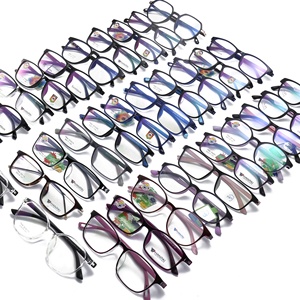

Direct factory inventory buffering mitigating procurement lead times. Zero minimum MOQs for in-stock prescription models with European CE and US FDA regulatory compliance.
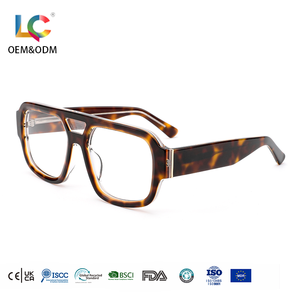
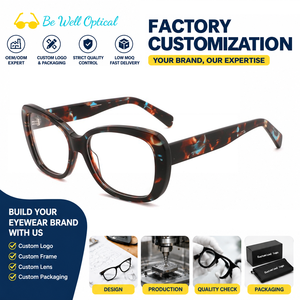
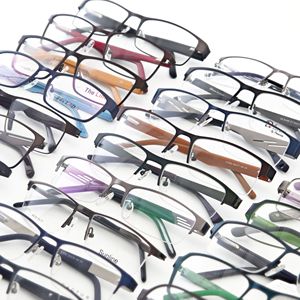
Bridging Century-Old Craftsmanship with Modern Cleanroom Automation and Lean Supply Logistics.
The global eyewear distribution paradigm has undergone seismic transformations. Independent opticians, optometry clinics, and multinational retail chains no longer operate within the restrictive margins of unpredictable 90-day lead times and inflated wholesale markups. Operating with a legacy rooted in exceptional optical craftsmanship dating back to 1879, our manufacturing and inventory distribution infrastructure in China resolves the structural inefficiencies of traditional optical supply chains. By marrying high-precision German CNC manufacturing with extensive ready-to-ship inventory reserves, we empower global eyecare professionals to achieve healthy gross margins and resilient inventory turnover.
Our frames leverage ultra-pure, multi-layered cellulose acetate aged over 90 days to prevent post-glazing temple warpage. Integrated with Japanese beta-titanium core wires and German-engineered OBE five-barrel hinges, each frame undergoes 72 hours of micro-tumbling with Italian birchwood granules for a mirror-sheen finish.
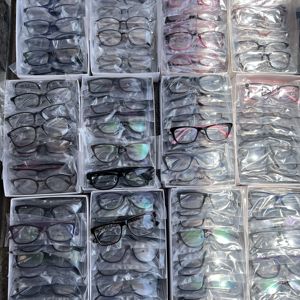
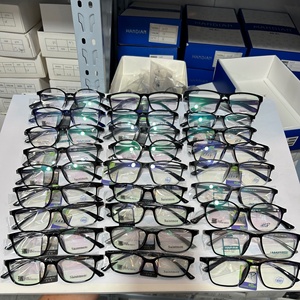
We maintain an active physical inventory exceeding 850,000 units across popular geometric, pantos, cat-eye, and aviator silhouettes in our modern climate-controlled hubs. By leveraging automated warehouse picking, in-stock orders are packed, barcoded to your internal SKU matrix, and dispatched via international priority courier within 48 hours.
For optical chains looking to scale private-label collections, our engineering unit offers rapid prototyping from CAD drawing to resin 3D sample in 5 business days. We provide custom pad printing, precise laser pantograph engraving, tailor-made acetate color lamination, and prescription lab cold-glazing bevel optimization.
Market Dynamics, Material Shifts, and Digital Supply Chain Adaptations.
To maintain operational resilience, optical procurement executives must navigate key material shifts, circular economy legislation, and localized customer demographics. As digital eyestrain expands the global demographic requiring corrective eyewear, clinical buyers are modifying their inventory acquisition strategies based on four structural trends:
Global regulatory bodies (notably the EU’s Green Claims Directive) are mandating transparent traceability. The optical sector is moving rapidly from fossil-fuel diethyl phthalate plasticizers to bio-cellulose derived from sustainably managed FSC-certified wood pulp and cotton linters. Buyers are actively securing supply pipelines certified bio-degradable under ISO 14855 standards.
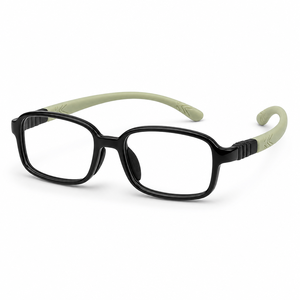
Standard universal fitting models are rapidly being replaced by specialized anthropometric collections. Retailers increasingly curate diversified bridge widths, pantoscopic angles, and temple curvatures—specifically targeting high-cheekbone Low Bridge Fit (Asian Fit), ergonomic pediatric frames utilizing food-grade liquid silicone, and ultra-wide temples designed for European facial metrics.
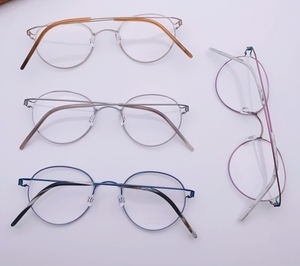
Following high-end Scandinavian innovations like 3D selective laser sintering (SLS) of surgical polyamide, progressive opticians demand frames with minimal mechanical points of failure. Screwless, friction-locked hinge designs eliminate the continuous maintenance loops of loose temple screws, providing long-term reliability for end-wearers.
Modern optical frames are no longer purely aesthetic accessories; they are class I medical devices that must withstand mechanical fatigue, sweat corrosion, skin microbiota, and repeated optical lens re-glazing. Key engineering protocols pioneered in our manufacturing lines include:
Replacing traditional wet electroplating, our surgical stainless steel and memory metal collections undergo Physical Vapor Deposition (PVD) under ultra-high vacuum environments. This produces an impervious, nickel-free titanium-nitride coating resistant to salt spray testing exceeding 96 hours without peeling.
Optical hardware utilizes ultra-thin fluoropolymer nano-coatings on nose pad assemblies and hinges to resist sebum buildup, makeup degradation, and environmental oxidation, maintaining pristine tactile action through hundreds of thousands of flex cycles.
Our CNC-milled eyewires feature standardized 110-degree optical bevel angles engineered to match automated computerized edgers (Essilor, Nidek, Santinelli), ensuring precision glazing, preventing lens spin in high astigmatic prescriptions, and minimizing internal stresses that cause lens birefringence.
Essential Answers Concerning Supply Chain Protocols, Compliance, Quality Assurance, and Logistics.
For ready-to-ship inventory stocked in our warehouse buffer, there is no strict MOQ per model—opticians and distributors can purchase assorted boxes starting at 5 to 10 pieces per colorway to test market resonance. For custom private-label OEM manufacturing requiring tailored acetate pattern extrusion or custom tooling, our standard MOQ starts at 300 pieces per model (divided across 2–3 bespoke color variations).
All raw materials undergo rigorous testing before entering tooling lines. Our optical frames fully comply with ISO 12870:2016 standards for ophthalmic optics. All metal finishes are certified nickel-free in accordance with EN 16128, preventing allergic contact dermatitis. Products carry formal CE marking, are registered with the US FDA as Class I Medical Devices, and meet REACH Annex XVII regulatory requirements.
Yes. By default, our display frames come fitted with clear acrylic or polycarbonate demo lenses featuring laser-engraved or pad-printed brand logos. We also provide ready-glazed, prescription-ready plano CR-39 anti-reflective blue-light filtering lenses, polarising sun clips, or reading diopters customized to retail requirements.
In-stock clearance inventory and active catalog items are packed and dispatched within 48 to 72 hours via DHL, FedEx Express, or air freight consolidators, reaching North American and European destinations within 4 to 7 business days. Custom OEM production cycles generally require 35 to 55 days depending on the complexity of acetate curing, CNC tooling, and multi-stage polishing treatments.
Every frame passes through our 4-tier QA protocol: (1) Raw Material Spectrometry to ensure metal purity and acetate curing stability; (2) Mechanical Stress Benchmarking, including 20,000-cycle bridge endurance and spring-hinge fatigue testing; (3) Dimensional Tolerance Scanning with digital optical comparators ensuring precise eyewire symmetry; and (4) 100% Manual Bench Inspection for surface finish, alignment symmetry, and hinge tension before final anti-scratch sleeve wrapping.