
Explore high-velocity wholesale prescription frames engineered to ISO 12870 standard tolerances, pairing rapid delivery cycles with bespoke OEM/ODM custom capabilities.
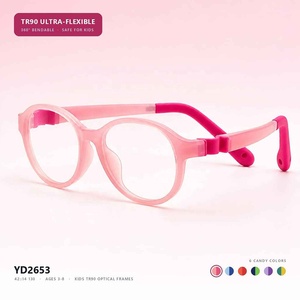
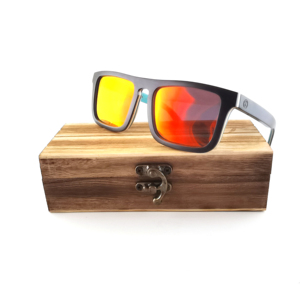
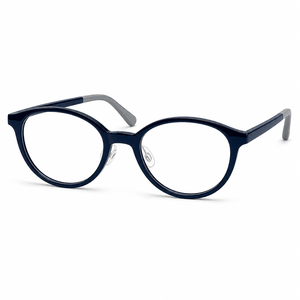
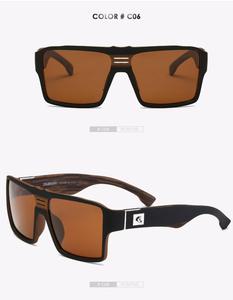
Combining the heritage of five generations of family-owned design leadership with modern automated manufacturing facilities. We support independent optometrists, optical buying groups, and distributor networks across five continents.
Founded on uncompromising standards, our eyewear design and contract export house balances technical ergonomics with commercial retail appeal. Unlike mass commodity manufacturers who focus solely on high-speed volume injection, our optical engineering department focuses on what opticians call dispensing comfort: pantoscopic angle calibration, vertex depth adaptability, and bridge weight distribution.
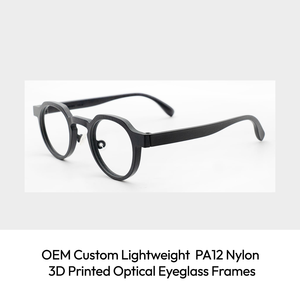
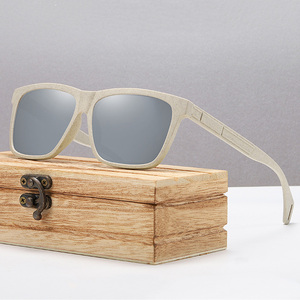
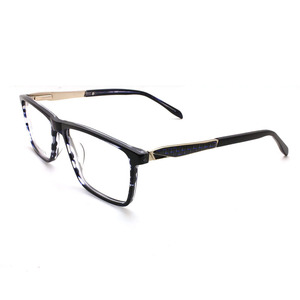
Our OEM/ODM infrastructure offers end-to-end support for custom capsule collections: 5-axis CNC machining of Italian and Japanese cured cellulose acetate, multi-axis micro-welding for beta-titanium wireworks, 72-hour organic beechwood barrel tumbling for mirror-deep luster, and medical-grade SLS (Selective Laser Sintering) PA12 nylon printing for lightweight frames.
Direct-from-factory pricing unlocks 60-70% gross margins for independent practices.
All batches include batch-traced FDA device listings, CE Declarations, and REACH-compliant dyes.
Frames tested with -8.00D to +6.00D uncut lenses to guarantee groove integrity.
Private label laser branding starting from 50 pieces per SKU for boutique optical buyers.

B2B optical buyers are shifting away from high-volume, generic inventory models toward responsive, circular, and technically specialized supply chains. Our analysis outlines key procurement shifts through 2030.
Traditional frame manufacturing relies on expensive steel molds, demanding 500-unit minimum orders and creating unsold stock risks. Industrial Selective Laser Sintering (SLS) with biocompatible PA12 nylon has shifted this economic model. Optical retailers can now order tailored colorways and bespoke bridge configurations in batches of 20 to 50 units. Additive manufacturing eliminates tooling setup fees, supports rapid geometric testing, and reduces material waste by over 68% compared to traditional acetate CNC subtractive milling.
Inventory Risk EliminationConsumers increasingly expect sustainable eyewear options. Wholesale buyers are replacing petroleum-derived plastics with eco-friendly alternatives. Modern collections use organic wheat straw composites, certified bio-based cellulose acetates made with plant plasticizers, and recycled ocean polymers. These materials match the dimensional stability, cold-bend temple adjustability, and impact resilience of traditional PMMA or polycarbonate materials, while meeting rigorous ESG retail standards.
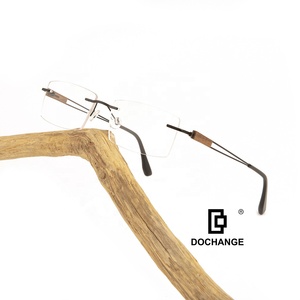
Sustainable Material LeadershipThe premium eyewear segment is moving rapidly toward lightweight, multi-material constructions. By laminating 3K/6K aerospace carbon fiber weaves with micro-thin Beta-Titanium cores and organic wood veneers, manufacturers can build frames that weigh under 14 grams yet offer three times the tensile strength of standard nickel-silver alloys. These materials resist galvanic skin corrosion and maintain their shape, ensuring prescription lenses remain securely aligned under constant daily wear.
Advanced Material EngineeringA technical guide for optical laboratory directors and procurement engineers. Compare structural stability, glazing bevel profiles, and assembly tolerances across primary optical frame materials.
| Material Category | Specific Density | Tensile Strength | Optician Cold/Heat Adjustability | Lens Glazing Retention (High Index) | Biocompatibility (ISO 10993) | Recommended Demographics |
|---|---|---|---|---|---|---|
| PA12 SLS Nylon Sintered | 1.01 g/cm³ | 48 - 52 MPa | Gentle heat bed required (65°C - 75°C) | Superior (High Wrap & Thick Rx) | Class I Medical Grade | Minimalist, tech-forward, high-Rx users |
| Block Cellulose Acetate | 1.28 - 1.32 g/cm³ | 35 - 45 MPa | Standard hot-air blower (55°C - 60°C) | Optimal (Standard V-Bevel) | Skin-neutral / Hypoallergenic | Heritage, luxury fashion, vintage styles |
| Swiss Grilamid TR90 | 1.07 g/cm³ | 60 - 75 MPa | Limited shape memory (snap cold-insertion) | Moderate (Requires exact groove profiling) | BPA-Free / Pediatric Safe | Children, active wearers, budget lines |
| Aerospace Carbon Fiber + Titanium | 1.55 g/cm³ | 850+ MPa | Temple tips only (Beta-Ti wire core) | High Precision (CNC Interlock) | 100% Corrosion Resistant | Executive luxury, ultra-light seekers |
| Wheat Straw Composite Polymer | 1.15 g/cm³ | 38 - 42 MPa | Warm air assist (50°C) | Standard Rx (Up to +/- 4.00D) | Food-contact Certified Base | Eco-conscious retail, sunwear conversions |
All prescription frame batches exported from our facilities are engineered to withstand standard laboratory edging configurations. The eyewire groove features an industry-standard 110° to 115° optical bevel angle with a controlled groove depth between 0.60mm and 0.75mm. This design securely locks in place high-index 1.67, 1.74, and polycarbonate surfacing lenses without inducing birefringence stress fractures, frame stretching, or edge flake chipping.
Key information on custom minimum order quantities, compliance documentation, prototyping lead times, and global shipping options.
For ready-to-ship catalog inventory, our minimum order quantity starts at just 5 to 12 pieces per model, allowing independent practices to trial curated frame assortments. For custom OEM/ODM production featuring private laser logo branding, custom acetate colorways, or additive 3D manufacturing, our standard MOQ starts at 50 to 100 units per colorway.
Every frame design goes through mechanical stress tests using prescription lenses ranging from -8.00D to +6.00D. We inspect eyewire circumferences and rim-lock screw barrels using optical comparators to hold tolerances within ±0.15mm. This prevents lens pop-outs caused by temperature changes, bridge torque, or accidental drops.
Every export shipment includes comprehensive compliance documentation: US FDA Device Class I Establishment Registrations, EU Medical Device Regulation (MDR 2017/745) Declarations of Conformity, CE marking certifications, ISO 12870 mechanical safety certificates, and RoHS/REACH nickel-release lab test results.
Using CAD/CAM 3D prototyping and in-house SLS printing, initial functional prototypes are completed within 7 to 10 working days. After final sample approval, full manufacturing typically takes 35 to 45 days for acetate, metal, and carbon hybrid frames, or 18 to 22 days for selective laser sintered 3D PA12 collections.
Yes. We offer fully integrated turn-key packaging solutions. You can order demo lenses with customized anti-reflective coatings and pad-printed brand logos, FSC-certified hard clam-shell or collapsible leather cases, high-density 220gsm microfiber cleaning cloths, and custom retail display packaging.
We provide a comprehensive 24-month factory quality warranty covering structural welding defects, galvanic plating failure, and internal hinge malfunction. If any frame fails to meet agreed QA standards, we provide immediate credits or free replacements in your subsequent shipment without hassle.
Talk directly with our technical sourcing specialists. Request material samples, get full catalog pricing, or review custom private-label manufacturing terms for your optical practice or distribution chain.