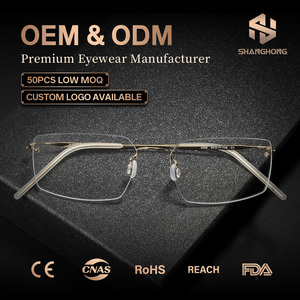

Explore eight core optical and solar architectures engineered for high-durability commercial dispensing. Direct wholesale supply with tailored private labeling, micro-laser engravings, and certified hypoallergenic coatings.
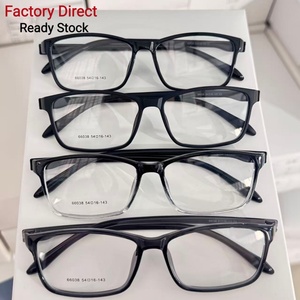
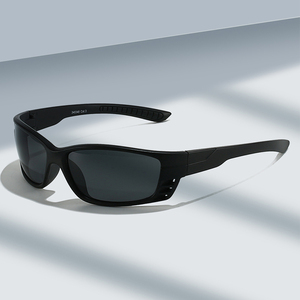
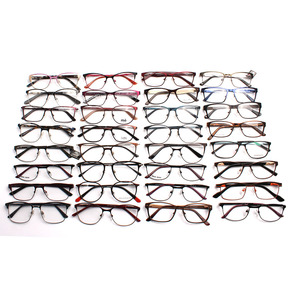
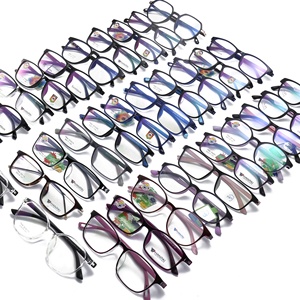
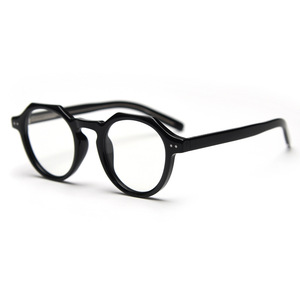
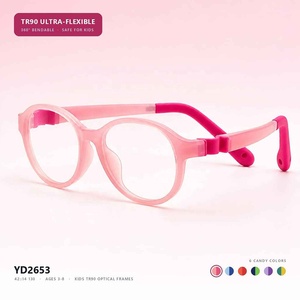
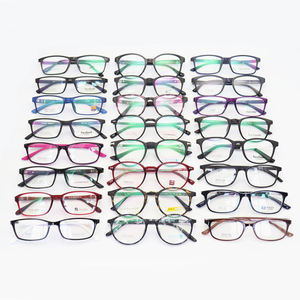
A technical examination of metallurgical extraction, 5-axis micro-milling, vacuum brazing, and surface engineering for international brand owners and optical procurement executives.
Commercially Pure (CP) Titanium yields an exceptional strength-to-density ratio (density ~4.51 g/cm³), rendering frames roughly 48% lighter than nickel-silver or copper-beryllium alloys. Grade 1 and Grade 2 sheets are precision-machined for structural bridge blocks and front eye-wires, guaranteeing absolute zero-nickel biocompatibility in complete alignment with EU REACH Annex XVII and EN 16128 testing guidelines.
By vacuum-alloying pure titanium with vanadium, chromium, and aluminum (e.g., Ti-15V-3Cr-3Sn-3Al), our facility produces high-elasticity Beta-Titanium wire. With an elastic modulus hovering around 80-90 GPa (compared to 110 GPa in pure titanium), Beta-Ti delivers a persistent clamping force that flexes effortlessly under cranial variation without permanent plastic deformation, making it ideal for minimalist temples.
Titanium exhibits an aggressive affinity for atmospheric oxygen and nitrogen at temperatures above 400°C, causing embrittlement. Our cleanroom facilities employ silver-based brazing flux under a 10⁻⁴ mbar high-vacuum argon environment. This prevents titanium oxide formation, ensuring micro-welded bridge and pad-arm joints survive cyclic flex fatigue tests exceeding 35,000 actuations without fracture.
Understanding the engineering tradeoffs between optical frame materials empowers optical buyers to optimize inventory margin and clinical performance.
| Material Classification | Density (g/cm³) | Tensile Strength (MPa) | Hypoallergenic Grade | Corrosion Resistance | Typical Dispensing Scenario |
|---|---|---|---|---|---|
| Pure Titanium (Grade 1/2) | 4.51 | 345 – 480 | 100% Medical Grade (Nickel-Free) | Zero corrosion in artificial sweat & sea salts | Bespoke executive rimless & full-rim frames |
| Beta-Titanium (Ti-15-3-3-3) | 4.75 | 880 – 1150 | 100% Biocompatible | Immune to atmospheric & sweat oxidation | Ultra-flexible temples & memory-fit bridges |
| Premium Cellulose Acetate | 1.28 | 40 – 70 | High (Dermatologically tested) | Susceptible to prolonged alcohol/acetone contact | Luxury fashion, vintage round, bold styling |
| Swiss EMS TR90 (Grilamid) | 1.02 | 65 – 85 | High (Food-contact grade polymer) | Resistant to sweat, UV discoloration, water | Sports optics, activewear, pediatric glasses |
| Traditional Monel / Nickel Silver | 8.80 | 450 – 650 | Low (Requires sealed electroplating) | Prone to green verdigris when plating wears | Promotional budget wholesale eye frames |
Combining the heritage discipline of traditional craftsmanship with cutting-edge German and Japanese computerized automation to manufacture high-yield optical frames.
From 2D CAD drafting and 3D FEA stress simulations to rapid physical sample machining, our rapid-tooling unit fabricates working prototypes in under 14 business days. Master toolmakers with decades of optical stamping experience craft bespoke dies for deep-stamped bridge coinages, coin-edge temple engravings, and integrated monoblock endpieces.
Traditional wet chemical electroplating easily flakes and pollutes the environment. Our vacuum deposition facility utilizes Physical Vapor Deposition (PVD) to bombard titanium frames with ionized titanium, zirconium, or chromium vapor in a magnetic sputtering chamber. The resulting 0.8–1.2 μm ceramic-grade coat withstands 96-hour neutral salt-spray (NSS) testing and artificial sebum exposure without discoloration.
Every batch shipped from our floor conforms meticulously to international ophthalmic optics standards. Our mechanical testing room validates temple pulling tension, bridge deformation thresholds, endurance against sweat immersion, and flame-retardant parameters, granting independent opticians smooth customs clearance across North American, European, and Asia-Pacific ports.
Whether you are an independent boutique optometry group seeking custom trunk-show small-batch production runs or a global retail brand commissioning high-volume SKUs, we accommodate multi-tiered MOQs. Benefit from laser engraving of brand trademarks, custom acetate temple-tip lamination, tailored presentation packaging, and complete drop-ship distribution.
How technical advancements and changing consumer ergonomics are transforming the wholesale optical supply chain.
Traditional barrel hinges with standard micro-screws account for up to 64% of optical after-sales complaints due to screw backing out, stripped threads, or hinge pin wear. Forward-thinking eyewear suppliers are migrating rapidly to screwless, interlocking friction-fit joints, combining CNC wire-cut Beta-Ti hooks with modular sleeves to ensure maintenance-free daily use.
Additive manufacturing using Grade 5 Ti-6Al-4V gas-atomized spherical powder allows engineers to produce organic, hollow, and lattice-structured eyewear fronts. This cuts weight down to a mere 4 to 6 grams per chassis, eliminates up to 80% of raw material swarf compared to traditional subtractive milling, and makes custom fit geometry commercially viable.
Global optical retail consumers demand measurable sustainability metrics. Supply chains are responding by pairing pure titanium chassis with ISCC-certified bio-based cellulose acetates and solvent-free waterborne protective sealants, lowering the lifetime carbon footprint while keeping the premium tactile feel demanded by luxury eyewear buyers.
Everything you need to know about lead times, international tariffs, custom mold tooling, and quality control thresholds.
For existing open-mold titanium frame chassis, our MOQ starts at 300 pieces per model (divided across 2–3 IP vacuum plating colors, e.g., Matte Gunmetal, IP Rose Gold, Brushed Raw Silver). For entirely bespoke, private-label designs requiring custom stamping tooling and CNC jigs, the initial run is typically 500 to 1,200 pieces.
We supply third-party spectroscopic metallography inspection reports and X-ray fluorescence (XRF) material composition certificates with every consignment. Frames marked "100% Pure Titanium" feature a titanium content greater than 99.2%, ensuring zero detectable nickel release under EN 16128 testing.
Spectacle frames constructed from pure titanium or base metal alloys are classified under HS Code 9003.11 (frames and mountings of plastics) or HS Code 9003.19 (frames and mountings of other materials, including titanium and metals). Finished sunglasses generally clear under HS Code 9004.10.
Precision 3D photorealistic renderings and technical CAD blueprints take 3 to 5 working days. Physical functional prototypes are machined in 14 to 20 days. Full-scale mass production—encompassing precision wire stamping, vacuum brazing, manual tumbling, multi-stage IP plating, and lens mounting—spans 55 to 70 days depending on complexity.
Traditional wet electroplating coats frames via liquid chemical baths, resulting in a fragile layer (0.1–0.3 μm) that can wear through in 6–12 months of sweat exposure. In contrast, IP vacuum plating fuses ionized metal particles into the titanium substrate, creating a diamond-hard (1,500–2,000 HV) finish that easily endures 3+ years of intense daily wear without chipping.
Yes. We engineer customized pad-arm splay angles, nose-bridge offsets, and pantoscopic tilt variations across our full line. Asian-fit models feature higher, narrower S-shaped Beta-Ti pad arms with medical-grade silicone pads to clear cheekbones, while Western-fit specs offer broader keyhole bridge arches and extended temple wrap arcs.
Direct communication with our technical engineering department. Review our comprehensive 2025 optical line catalog, inspect material test certifications, and request physical frame samples for your dispensing rooms.
Get Catalog