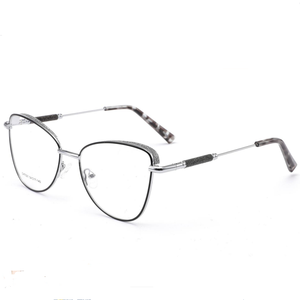

Direct B2B supply lines engineered for optical practices, clinic networks, and private-label eyewear distributors worldwide. Full OEM/ODM custom tooling and private branding available.
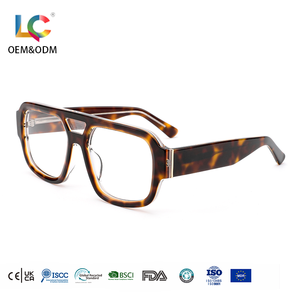
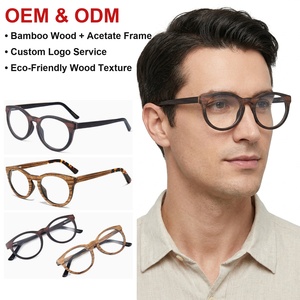
Combining the unbroken traditions of five generations of master opticians with automated 5-axis CNC multi-tool cutting stations. Studio Optyx provides bespoke private-label optical manufacturing that safeguards brand equity and maximizes dispensing margins.
From 8mm to 12mm premium block extrusion to custom laminations, our facility controls curing, baking, and moisture stabilization to eliminate structural frame warpage after dispensing.
Zero-tolerance wire core insertion combined with authentic through-rivet construction. We assemble with German OBE 5-barrel and 7-barrel hinges, tested for over 25,000 continuous articulation cycles.
Every frame undergoes a 4-tier rotary tumbling cycle utilizing seasoned beechwood chips, Japanese pumice granules, and organic carnauba wax, culminating in hand-wheel polishing by master finishers.
A rigorous examination of optical-grade cellulose acetate polymer properties, thermal adjustments, mechanical stress endurance, and manufacturing tolerances for prescription laboratories.
| Performance Vector | Cellulose Acetate (Block Cut / CNC) | Grilamid TR90 (Injected Polyamide) | Standard Polycarbonate (PC) |
|---|---|---|---|
| Raw Material Foundation | Natural Cotton / Wood Pulp Flakes | Petrochemical Injected Resin | Thermoplastic Carbonate Polymer |
| Thermal Memory & Re-profiling | Superior (Adjustable at 55°C – 65°C) | High Resilience, Zero Re-shaping | Brittle upon heating, non-adjustable |
| Lens Retention & Bevel Locking | ±0.05mm V-Bevel friction lock | Moderate (Prone to popping at cold temps) | Rigid (Risk of stress fractures) |
| Surface Luster Restoration | Infinitely buffable; accepts carnauba buff | Topical paint coat degrades over time | Unrepairable once scratched or milky |
| Biocompatibility Standard | ISO 10993 Non-cytotoxic / Phthalate-free | Medical grade depending on compound | Chemical leaching risk under acidic sebum |
| Hinge Anchoring System | Integral heat-inserted or riveted plates | Ultrasonic weld / snap-in injection | Glued or cold pressed pin |
Extruded acetate slabs undergo vacuum desiccating and 60-day oven-curing to eliminate internal monomer stress and stop lens shrinkage.
Carving front chassis and temples down to ±0.05mm tolerances, engraving custom eyewire grooves tailored for progressive RX lenses.
Pre-heated acetate arms receive laser-etched metal wire cores and pinned hinge plates with hydraulic cold-pressure presses.
Each chassis undergoes bridge alignment, four-point co-planar testing, temple opening tension checks, and ISO 12870 stress checks.
Critical procurement intelligence for supply chain directors, optical private labels, and luxury brands planning frame collections for the upcoming decade.
International environmental regulations (EU REACH, Prop 65) are accelerating the wholesale pivot toward bio-acetate utilizing plant-origin plasticizers. Derived without petrochemical phthalates, bio-acetate achieves 100% biodegradability under ISO 14855 composting conditions while maintaining the identical dimensional rigidity, rich tortoise marbling, and gloss properties of historic cellulose acetate.
Consumer demand for featherweight comfort without sacrificing the luxury hand-feel of rich acetate has driven hybrid engineering. Modern optical procurement prioritizes CNC-profiled 3.5mm ultra-slim acetate eye rims supported by embedded Japanese Beta-Titanium endpieces, internal titanium wire rims, and screwless hinge architectures that distribute mass uniformly.
With prescription demands surging due to high myopia rates and extended screen exposure, optical purchasers are moving away from single-fit molds. Manufacturing runs now integrate differentiated nose-pad build-ups, customized pantoscopic tilt angles (8°–11°), and anatomically modified Asian, European, and Universal Bridge geometries to eliminate slip and vertex distance errors.
Traditional eyewear sourcing required commitments of 1,200 units per colorway, stranding independent opticians and boutique brands with obsolete inventory. The modern Studio Optyx OEM model implements high-speed 3D CAM software and specialized low-volume tooling blocks, allowing private label buyers to execute rapid 72-hour CAD prototypes and initiate multi-SKU test launches with flexible production minimums.
By retaining centralized extrusion stock in classic havana, horn, crystal clear, and gradient chromatic sheets, our factory shortens delivery horizons from the standard 180 days down to 45–60 days, giving our global retail networks an agile, counter-cyclical inventory advantage.
Everything you need to know about tooling lead times, custom acetate formulations, optical lab certifications, and turnkey OEM/ODM contracts.
Partner directly with a 5th-generation optical engineering factory. Request our master acetate material catalog, custom design consultation, and OEM wholesale price tier schedules.