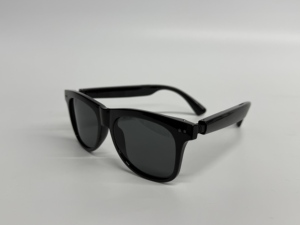

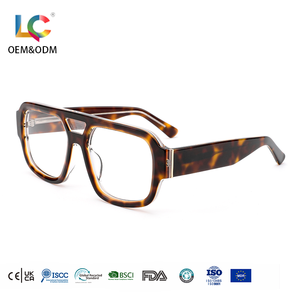
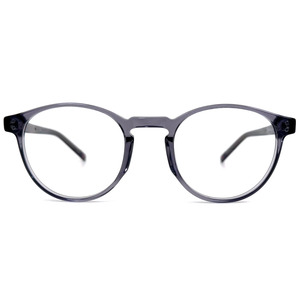
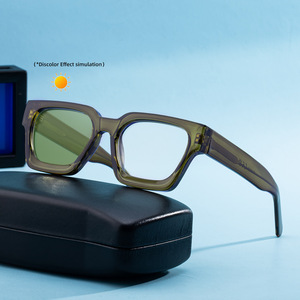
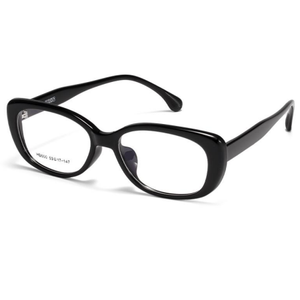
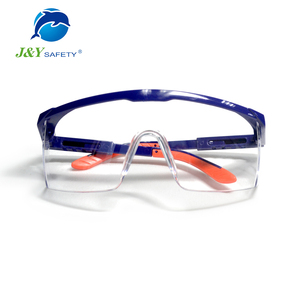
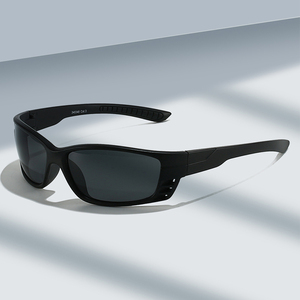
Global eyewear procurement is undergoing a fundamental structural transition. Generic private labeling has reached market exhaustion. High-growth optical practices and emerging independent brands now require precision micro-batch craftsmanship, traceable bio-materials, and vertically integrated engineering.
Traditional Tier-1 mega-factories dictate minimum purchase quantities (MOQs) exceeding 2,400 units per colorway, locking optical buyers into inflexible capital cycles and elevated deadstock risks. Boutique OEM production frameworks resolve this through modular 5-axis CNC machining centers and rapid tooling configurations.
Aesthetic design without ophthalmic consideration leads to elevated lab returns and patient dissatisfaction. Our boutique OEM standards integrate clinical dispensing parameters into the earliest technical CAD iterations, ensuring that wrap angles, pantoscopic tilt, and vertex distances comply with advanced digital progressive lenses.
Procurement directors are balancing compressed margin spreads, nearshoring demands, and stringent ESG compliance. Analyzing supply chain logistics, life-cycle material choices, and digital prototyping reveals five dominant shifts reshaping the B2B eyewear market.
The conventional 9-month product realization cycle is collapsing. Leading optical groups now leverage digital 3D rendering and SLS (Selective Laser Sintering) prototyping to conduct private digital trunk shows prior to factory steel-tool casting, contracting order commitments to 45-day replenishment windows.
European and North American regulatory authorities (such as EU REACH Annex XVII revisions and Extended Producer Responsibility schemes) penalize petrochemical frame waste. Institutional buyers increasingly demand ISCC-certified bio-acetate made with triethyl citrate plasticizers rather than traditional DEP (diethyl phthalate).
Smart audio frames and visual heads-up display (HUD) chassis are no longer consumer electronics gimmicks; they are optical staples. OEM factories must balance IPX4/IPX5 water-resistant acoustic chambers inside temple arms without exceeding 38 grams of total frame distribution, ensuring full RX lens interchangeability.
Engineering premium boutique frames demands acute understanding of raw block behavior, thermal coefficients, and molecular stability. Below is a comparative performance analysis of primary frame substrates engineered inside our specialized facilities.
| Material Class | Specific Gravity (g/cm³) | Tensile Elastic Modulus | Sweat Acidity Resistance | Primary Application Segment |
|---|---|---|---|---|
| Mazzucchelli-Grade Cellulose Acetate | 1.28 – 1.32 | 2,400 – 2,800 MPa | High (After 72hr Salt Spray) | Handcrafted Luxury Boutiques, Rich Tortoise Colorways |
| Beta-Titanium Alloy (β-Ti) | 4.43 – 4.51 | 100 – 110 GPa | Inert / Impervious | Screwless Hinges, Featherweight Minimalist Wire Rims |
| Swiss Grilamid TR90 | 1.01 – 1.05 | 1,500 – 1,700 MPa | Excellent | Memory-Flex Ergonomic Frames, Active Lifestyle Lines |
| MR-8™ Optical Polymer | 1.30 (Refractive Index 1.60) | Abbe Value: 41 • Heat 118°C | Optical Pure High Impact | High-Diopter Aspherical Prescription Lenses, Rimless Mounts |
| Selective Laser Sintered Polyamide (PA12) | 0.95 – 1.02 | 1,200 – 1,600 MPa | High Chemical Resistance | Parametric Bespoke Eyewear, Zero-Waste Zero-Tooling Series |
While mass-volume producers rely on rapid chemical dip lacquers that peel within 18 months of UV exposure, authentic boutique manufacturing utilizes a multi-stage mechanical tumbling regimen. Acetate components undergo sequential 18-hour intervals in rotating beechwood barrels charged with Italian pumice, crushed walnut shells, and carnauba wax compounds. This builds a deep, tactile sheen that allows opticians to buff away surface scratches for decades.
For our metal and hybrid chassis collections, wet electroplating is superseded by vacuum-chamber PVD coating. By vaporizing titanium nitride and zirconium alloys in an inert plasma chamber, a molecular-level bond (0.3 to 1.5 microns) is forged on temple edges and end-pieces. This provides 400% higher abrasion resilience compared to conventional gold-bath dipping, guaranteeing nickel-free biocompatibility for sensitive wearers.
Full-stack development ranging from hand-rendered sketches, 2D technical drawings, and 3D CAD files to mold fabrication, prototyping, and private-label retail packaging.
Field-tested wholesale merchandising setups. We provide our global retail partners with curated display trays, point-of-sale branding assets, and on-site trunk show inventory programs.
Every production lot undergoes rigorous mechanical stress testing: 20,000-cycle temple endurance hinges, bridge cross-tension loads, and spectrophotometer UV400 verifications.
Complete documentation readiness for FDA Device Listing (510k exempt class 1), CE Medical Device Regulation (EU MDR 2017/745), UKCA, and ISO 12870 ophthalmic frame standards.
Straightforward answers addressing manufacturing lead times, custom tooling investments, material certifications, and supply chain logistics.
Our standard production runs begin at 300 pairs per silhouette, split across up to 3 custom colorways (100 pairs/color) for handcrafted Mazzucchelli-grade acetate and stainless steel combinations. For injected TR90 or specialized smart eyewear chassis, MOQs generally start at 500 to 1,000 units due to steel mold injection cycle setups. For bespoke 3D-printed selective laser-sintered (SLS) titanium or polyamide collections, micro-runs can start as low as 50 pairs per design with zero tooling fees.
Upon receipt of your 2D sketches or vector files, our CAD engineering division generates high-precision dimensional blueprints within 5 business days. Once approved, the prototyping roadmap offers two tracks:
Frame distortion in cellulose acetate occurs when raw sheets are machined before internal plasticizer solvents have fully equalized. We subject all incoming acetate slabs to an accelerated thermal drying room (kiln-curing) for 60 to 90 days prior to CNC milling. Furthermore, our four-tier AQL 1.5 quality assurance protocol tests for bridge deflection resistance, hinge screw thread backout, barrel hinge pullout force (≥150N), and artificial sweat resistance over 72 continuous hours inside environmental chambers (ISO 12870 standard).
Yes. We engineer matching magnetic and mechanical clip-ons equipped with TAC polarized or nylon UV400 lenses. Our proprietary hidden neodymium magnet integration seats flush within the temple lugs, maintaining the sophisticated profile of an optical frame without cumbersome external top hooks.
Shipments depart our facilities with comprehensive regulatory compliance documentation: CE Declaration of Conformity (EU MDR 2017/745 Class I), FDA registration paperwork and drop ball test impact resistance reports (21 CFR 801.410), ISO 12312-1 / ANSI Z80.3 sunglass standards, and REACH compliance dossiers validating the total absence of lead, cadmium, and cytotoxic phthalates.
Drawing on over a century of serving brick-and-mortar opticians, we provide comprehensive in-store enablement. This includes dedicated territory protection agreements, branded leatherette hard cases, micro-fiber cleaning cloths, localized staff dispensing training webinars, and customized frame assortment trunks designed specifically for seasonal optical trunk show events.
Consult directly with our master eyewear designers and senior production engineers. From concept sketches to international bulk delivery, build an authentic optical collection that differentiates your brand on the retail dispensing floor.