

Tested against sweat-corrosion, tensile deformation, and structural fatigue. Explore high-performance surgical stainless steel, pure block titanium, and hypoallergenic alloy frames.
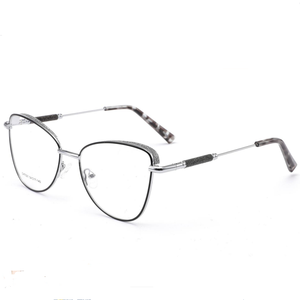
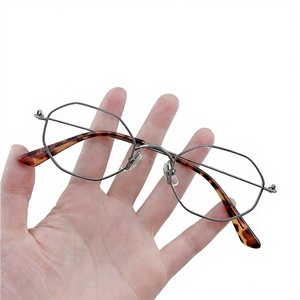
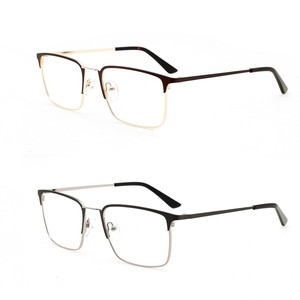
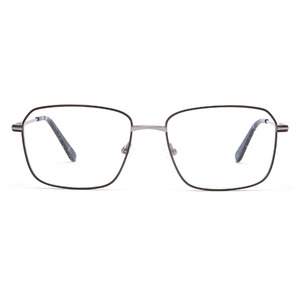
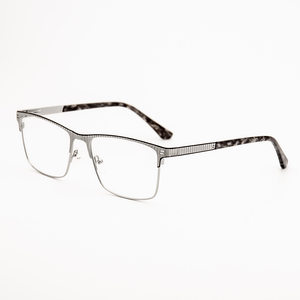
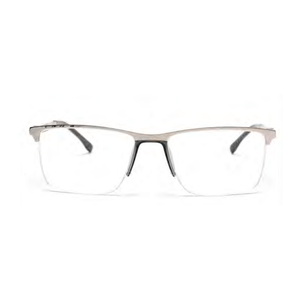
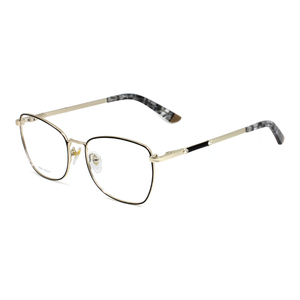
In the wholesale optical marketplace, procuring metal spectacle frames is not merely an aesthetic inventory acquisition; it is a critical engineering decision. Top-tier exporters must demonstrate mastery over alloy purity, electro-deposition stability, and stress-bearing hinge geometry. When independent opticians and optical chain procurement directors assess metal frames, failure rates at the dispensing counter are traced directly to substandard material sourcing.
Modern metal eyeglass frames rely on distinct metallurgy categories: Medical-Grade 304L/316L Stainless Steel offers tensile resilience and corrosion immunity; Beta-Titanium (β-Ti) introduces unparalleled flexural memory for ultra-thin temple designs; while Monel and High-Nickel Alloys provide the ductility required for intricate filigree and vintage coin-edge rim engravings. Our production ecosystem enforces strict limits against nickel-leaching to guarantee full compliance with EU REACH and US FDA skin-contact safety regulations.
Strategic purchasing decisions require anticipating raw material shifts, regulatory standards, and end-consumer lifestyle adaptations.
Global regulatory agencies are tightening thresholds on nickel release (EN 1811:2011). Forward-looking B2B buyers are migrating wholesale orders toward bio-inert surgical steel and recycled aerospace-grade titanium, eliminating dermatological returns entirely.
Combining gossamer-thin metal eyewires with internal CNC acetate windsor rims. The industry is seeing massive B2B re-order spikes for combined acetate-metal silhouettes, providing the weight reduction of titanium with the rich chromatics of cured cellulose acetate.
Traditional wet chemical electroplating is rapidly giving way to vacuum PVD and IP (Ion Plating). PVD ensures micron-level adherence that withstands prolonged skin acidity, ultrasonic cleaning solvents, and cosmetic abrasion without flaking.
Historically, metal eyeglass frames suffered from localized brittleness along solder joints, specifically around the bridge and end-pieces. Modern precision manufacturing has moved toward five-axis high-speed CNC milling from solid titanium slabs and cold-forge micro-stamping. These techniques eliminate heat-affected zones (HAZ), multiplying cycle longevity under frequent temple flexing.
Simultaneously, the industry is witnessing the adoption of screwless, friction-based hinge mechanisms and integrated rim-lock engineering. By removing microscopic hinge screws that loosen under dynamic movement, suppliers provide optical retailers with inventory that virtually eradicates post-dispensing patient adjustments. This fundamental reliability is what separates ordinary manufacturing factories from elite export partners.
Crafting high-precision eyewear since 1879. Our legacy bridges artisanal heritage with global B2B distribution infrastructure.
Rooted in optical heritage since 1879, our executive leadership under Jack Erker III and Tony Erker maintains the strict ethos that every frame carrying our craftsmanship represents an uncompromised promise of structural durability and optical fidelity.
From heritage handcrafted flagships like Erkers1879 and dynamic youth-focused lines like NW77th, to understated lines like Tocco and The Neighbors, alongside cutting-edge distributed technical lines like Monoqool 3D and ba&sh, we power diverse frame boards under one cohesive account.
We eliminate friction for independent opticians and global chains via structured stock access, dedicated trunk shows, customized OEM/ODM metallurgical adjustments, low MOQ pilot programs, and dependable global logistics spanning North America, Europe, and Asia-Pacific.
Direct answers for optical buyers, supply chain directors, and practice owners navigating international frame manufacturing.
Connect directly with our optical engineering and export team. Receive wholesale pricing lists, minimum order specifications, and bespoke trunk show schedules for your boutique or optical group.
Get a Quote