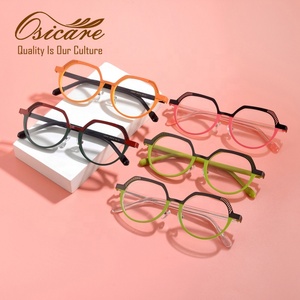

Precision-milled Mazzucchelli acetate, medical-grade TR90 polymers, aviation-grade carbon composites, and additive SLS additive 3D-printing systems ready for tailored custom branding.
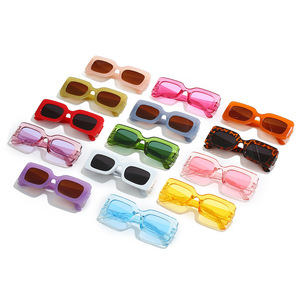
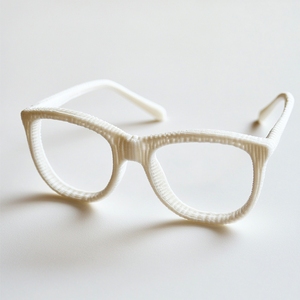
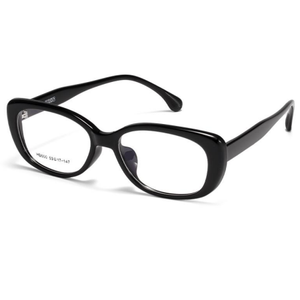
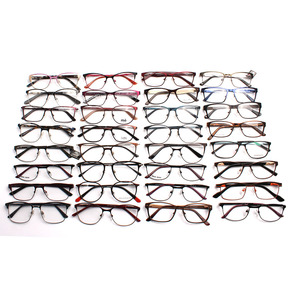
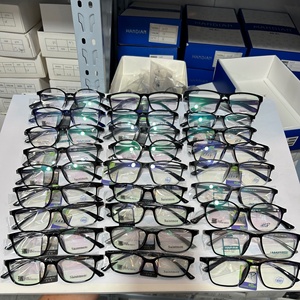
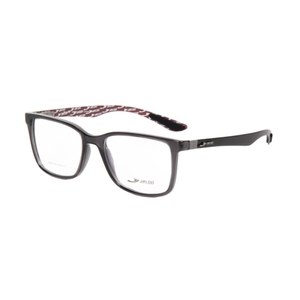
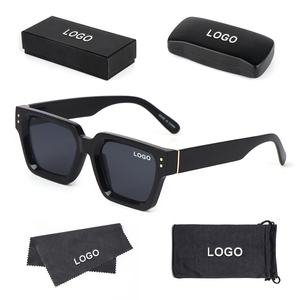
The global eyewear manufacturing landscape has undergone a monumental shift from low-cost mass extrusion to high-precision engineering and bespoke personalization. Sourcing directors and private-label eyewear brand builders face escalating complexities in navigating the global supply matrix. Selecting the top private label eyewear suppliers and exporters requires auditing beyond surface catalog aesthetics; brand owners must scrutinize fundamental material science, dimensional tolerance engineering, barrel hinge mechanical integrity, and downstream regulatory conformance.
Independent optical brands, private label retail chains, and boutique optometry chains demand agility without sacrificing manufacturing heritage. While mass retailers rely heavily on cold injection-molded polycarbonate (PC), high-tier optical collections increasingly deploy cellulose propionate, custom block-cured cellulose acetate (such as Italian Mazzucchelli or high-grade domestic variants), featherweight titanium alloys, and additive SLS Polyamide 12 (PA12). An authoritative supplier must exhibit complete vertical mastery across CNC multi-axis profile milling, multi-stage tumbling barrels using organic pumice, manual hand-buffing wheels, and micro-laser engraving for branding execution.
Authentic handmade acetate requires upwards of 60 to 90 days of controlled curing to eliminate residual solvent humidity, preventing temple shrinkage, frame warping, or bridge sagging over long retail lifecycles.
Sourcing protocols assess whether frames utilize integrated 3-barrel, 5-barrel, or German-engineered 7-barrel hinges, alongside screwless spring mechanisms for active sports lines, validated by 20,000+ cycle fatigue testing.
Utilizing high-end Selective Laser Sintering (SLS) and Stereolithography (SLA) platforms slashes concept-to-market lead times from 16 weeks to 7 days, allowing brands to launch hyper-targeted, on-demand capsule drops.
Different commercial channels—ranging from direct-to-consumer (D2C) sunglasses up to professional prescription boutique frames—mandate distinct structural substrate configurations. The technical matrix below benchmarks core specifications essential for international private-label eyewear development:
| Substrate Material | Tensile Density (g/cm³) | Thermal Adjustability | Standard Finishing Processes | Optimal Brand Category |
|---|---|---|---|---|
| Handmade Cellulose Acetate | 1.28 – 1.32 | Excellent (Hot air frame warmers) | CNC Milling, 72h Organic Tumbling, Wax Buff | Luxury Eyewear, Independent Optical Boutiques |
| TR90 (Grilamid Memory Polymer) | 1.00 – 1.05 | Low (Elastic shape retention) | High-Precision Injection Molding, Spray Coating | Athletic Spectacles, Kidswear, Ultra-Lightweight Eyewear |
| Aerospace Carbon Fiber | 1.45 – 1.60 | Rigid / Cold Adjust Temples | Multi-Layer Compression, Precision Laser Profiling | Executive Commuting, Minimalist Performance Eyewear |
| Additive 3D Nylon (PA12 / SLS) | 0.95 – 1.02 | Moderate (Selective thermo-forming) | Powder Sintering, Bead Blasting, Dip Dyeing | Parametric Bespoke Eyewear, Avant-Garde Independent Collections |
| Monel & Beta-Titanium Alloys | 4.50 – 8.80 | Superior (Plier manipulation) | Wire Drawing, Vacuum Ion IP Plating, Soldering | Classic Optical Wireframes, Rimless Prescription Spectacles |
When curating a commercial private-label lineup, balancing margin retention against frame return rates is paramount. Substandard base resins frequently result in micro-fractures around screw threads during cold lens mounting, leading to optical boutique dissatisfaction and high warranty write-offs.
The eyewear industry is navigating transformative disruption driven by sustainability directives, digital customization, and regional regulatory pressures. Private label exporters and procurement directors must realign their sourcing specifications with these emerging paradigms:
Global regulatory bodies (notably the EU Green Claims Directive) are mandating validated post-consumer recycled contents and phthalate-free plasticizers. Sourcing bio-based acetate derived from sustainable wood pulp and cotton lint has transitioned from an ethical marketing niche into an enterprise procurement requirement.
To eliminate excessive inventory holding costs and end-of-season deadstock liquidations, high-performing brands are integrating on-demand SLS 3D manufacturing. This allows zero-tooling initial validation, ultra-custom ergonomic fits (Asian-fit versus European bridges), and zero raw material waste.
The line between optical fashion and consumer technology is rapidly blurring. Modern OEM exporters are heavily allocating tooling investments toward co-molded internal wire channels, capacitive temple touchplates, and acoustic wave cavities that house open-ear directional audio drivers without adding excessive bulk.
A true private label partner does not merely sell off-the-shelf catalog frames; they act as an end-to-end strategic design house, technical manufacturer, and supply chain steward. Drawing upon over 145 years of continuous optical craftsmanship since 1879, our enterprise manufacturing framework, refined across five generations, bridges the gap between artisan-level detailing and massive scalable industrial output.
Guided by family stewardship since 1879, bridging historic optical fitting ergonomics with modern computerized CAD/CAM design workflows.
Comprehensive supervision from custom raw block colorway casting, pantographic profiling, to precision assembly and laser inspection.
Proven track record engineering world-class independent lines—such as Erkers1879, NW77th, Tocco, and distributing technical pioneer Monoqool.
Full support with customized trunk shows, marketing kits, point-of-sale display assets, and guaranteed international supply continuity.
Direct technical answers to common queries submitted by optical buyers, sourcing executives, and private label brand founders: