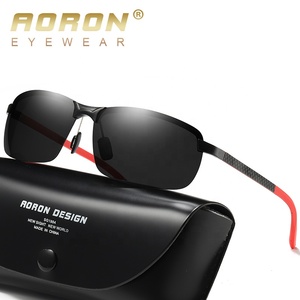
In an optical marketplace crowded with disposable fast-fashion frames, independent practices, optometry clinics, and luxury private labels are re-anchoring their collections in the proven ergonomics, enduring tactile heft, and historical prestige of vintage optical frames. Sourcing genuine heirloom-tier retro frames requires navigating complex technical trade-offs between cured cellulose acetate densities, cold-forged pure titanium, CNC tolerances, and multi-barrel hinge stability.
Direct from audited optical manufacturing cleanrooms: inspect our vetted catalog of vintage-profile, anti-blue light, custom smart-polarized, and handcrafted prescription frames engineered for boutique opticians and regional optical retail chains.
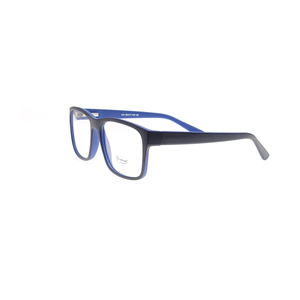
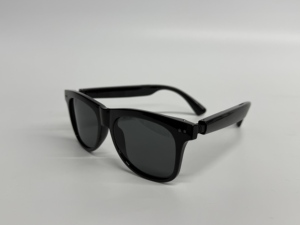
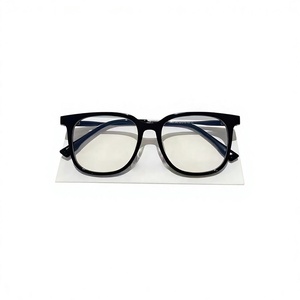
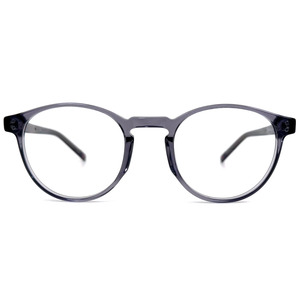
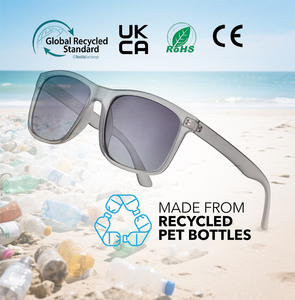
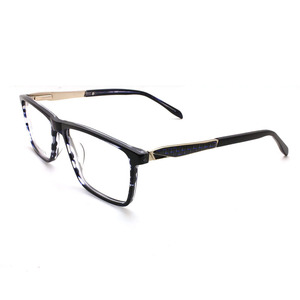
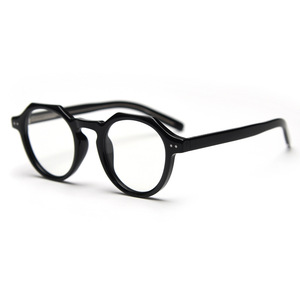
A rigorous breakdown of the material tolerances, metallurgical specifications, and quality verification criteria used by premier international exporters.
Sourcing optical frames in the retro and heritage category involves far more than copying vintage silhouettes from mid-20th-century lookbooks. For an optical practice, distributor, or boutique brand, a vintage style frame is evaluated under the harsh lights of the dispensing table. Here, opticians assess temple flex, bridge cold-adjustability, bevel groove uniformity, and pantoscopic tilt stability. A frame that twists out of alignment during automated lens edger grooving or loses luster after 90 days of skin contact represents warranty failure and reputation loss.
In vintage optical eyewear, the tactile experience begins with the resin substrate. Premium vintage frame suppliers prioritize extruded and block-cured cellulose acetate derived from natural cotton linters and wood pulp. Unlike petroleum-derived injection polymers (like TR90 or poly-carbonate), cured cellulose acetate breathes, allows progressive heating and bench adjustment by licensed opticians, and showcases visual depth in classic colors such as Havana, Horn, and Demi-Amber.
A benchmark among top-tier exporters is the curing duration. Standard export frames often rush the aging cycle to 14 days, yielding residual plasticizer solvents that can cause warping or temple bloom over time. By contrast, heritage exporters enforce a minimum 60 to 90-day oven-drying curing schedule. This stabilizes the molecular lattice, achieving a Rockwell hardness rating (HRM) of 85–92, which keeps the frame crisp during multi-axis CNC routing.
| Evaluation Parameter | Tier-1 Vintage Exporters (Studio Optyx Standards) | Commercial Fast-Fashion Exporters | Dispensary Impact |
|---|---|---|---|
| Acetate Substrate | Aged Italian/Japanese Cellulose (Cured 60–90 Days) | Virgin Rapid-Dry Petroleum Acetate (Cured <14 Days) | Zero shrinkage; stable bridge alignment after glazing. |
| Hinge Architecture | Integral 5 or 7-Barrel Riveted Wire Cores | Heat-Inserted Ultrasonic 3-Barrel Friction Hinges | Resists hinge tear-out when temples are opened wide. |
| Titanium Composition | Grade 2 Pure Titanium & Beta-Titanium (0% Nickel) | Monel / Nickel-Copper Alloy with Flash Coating | Zero galvanization corrosion; 100% hypoallergenic skin safety. |
| Barrel Polishing Cycle | 72-Hour Birch Wood & Walnut Shell Tumbling | 12-Hour Chemical Vapor Smoothing | Lustrous organic mirror finish that resists surface pitting. |
| Lens Bevel Groove | CNC Automated ±0.05mm V-Bevel Matching 4-Base Curves | Manual Router Routing (±0.25mm Deviation) | Zero lens popping; accommodates progressive lenses cleanly. |
The lighter side of vintage eyewear centers on early-to-mid 20th century wire frames: Windsor rims, bridge filigree, and intricate cable temples. Elite suppliers reject cheap electroplated brass or nickel alloys in favor of Japanese and German Pure Titanium (Alpha Ti) and Beta-Titanium (β-Ti). Beta-titanium combines superior tensile yield strength (>1000 MPa) with an ultra-low elastic modulus, enabling ultra-thin 1.2mm temples that gently hug the wearer's mastoid bone without pinching.
Simultaneously, within handcrafted bold acetate styles, the internal temple core serves as the mechanical spine. Exporters rooted in artisanal craft utilize cold-rolled German silver or stainless steel wire cores engraved with historic art-deco patterns. These are hydraulically shot into the acetate blank rather than sandwiched between cheap laminates, allowing the optician to cold-bend the temple earpiece for a personalized anatomic fit.
Since 1879, Studio Optyx has continuously designed, manufactured, and distributed independent eyewear. Led today by Jack Erker III and Tony Erker, our company pairs a 145-year family archive with contemporary precision optical manufacturing.
We do not merely supply wholesale inventory; we build distinctive, protected frame boards that enable independent eyecare practitioners and boutique opticians to stand out from corporate optical mega-retailers. Our portfolio—including Erkers1879, NW77th, Tocco, The Neighbors, Monoqool, and ba&sh Eyewear—combines handcrafted heritage acetate and screwless 3D-printed selective laser sintering (SLS) technology under a single, accountable wholesale account.
"Our heritage is forged in patient care, precision optics, and five generations of hands-on frame manufacturing."
Send an InquiryStrategic purchasing managers evaluate more than immediate bill-of-materials costs. Analyze how macro shifts in consumer demographics, material ecology, and digital integration are reshaping retro frame procurement.
Global optical buyers are shifting toward certified biodegradable acetates (ISO 14855 standards) synthesized from phthalate-free, non-toxic bio-plasticizers. Closed-loop suppliers capture, filter, and reuse 95% of volatile organic solvents during drying, allowing retail brands to appeal to ESG-conscious consumers without sacrificing mechanical rigidity.
As seen in modern Scandinavian collections like Monoqool, factories are blending vintage front geometries with 3D-printed selective laser sintered (SLS) polyamide. This achieves ultra-light front weights (<10 grams) and screwless, solder-free hinge mechanisms while maintaining classic mid-century P3 or geometric octagonal profiles.
With an aging global population requiring multi-focal progressive additions, vintage frame shapes (especially round keyhole bridges and aviator teardrops) are engineered with minimum 34mm B-measurements and deeper V-bevel channels, preventing peripheral lens aberrations when mounting premium high-index freeform lenses.
Clear, direct answers to common questions from optical retail chain owners, private-label directors, and clinic dispensary buyers.
Authentic, high-grade vintage frames feature three key technical differences: 1) Material density and stabilization: Premium frames use cured cellulose acetate aged 60+ days, which eliminates post-glaze shrinkage and withstands repeated heat adjustments. 2) Hinge integration: Real vintage frames feature through-riveted 5-barrel or 7-barrel hinges rather than surface heat-inserted hinges, creating secure anchor points on both front and temple. 3) Bevel groove accuracy: Premium suppliers mill the eyewire rim with computerized CNC cutters within a tolerance of ±0.05mm, ensuring high-minus prescription lenses mount flush without warping the frame front.
We protect our partners through strict geographic territory exclusivity and curated independent-only brand portfolios. When you carry collections such as Erkers1879, NW77th, or Monoqool, your patients cannot find those exact frames on mass retail websites or discounted at big-box chains. We back this with direct trunk show loan kits, complete marketing and point-of-sale displays, rapid single-frame emergency replacement stock, and responsive support from our central headquarters.
For custom private-label manufacturing (including custom acetate color blending, personalized wire-core engraving, and custom laser-engraved temple logos), standard production MOQs range from 300 to 500 pieces per model, typically distributed across 3 to 4 color combinations (approx. 100 pieces per SKU). For in-stock wholesale frame orders from our established brand collections (Erkers1879, NW77th, Tocco, etc.), independent accounts can begin with lower opening assortment orders to curate a tailored frame board.
All optical spectacle frames must comply with ISO 12870 (Ophthalmic Optics - Spectacle Frames), which governs endurance against perspiration, dimensional stability at elevated temperatures, mechanical hinge strength, and biocompatibility. In the United States, optical frames and prescription sunglasses fall under FDA Medical Device Class I regulations, requiring establishment registration and drop-ball impact compliance (21 CFR 801.410). In the European Union, frames must comply with Medical Device Regulation (EU) 2017/745 (MDR) Class I, carrying full CE documentation and REACH chemical compliance verifying zero nickel release.
Yes. Our vintage optical frames are specifically designed for modern prescription lens technology. We maintain a minimum vertical B-measurement (typically 36mm to 42mm on our P3, round, and classic square frames), providing ample corridor height for progressive lenses with no cutoff of intermediate or reading zones. Furthermore, our acetate eyewire thickness is optimized between 4.0mm and 6.0mm to effectively hide edge thickness on high-minus prescriptions (−4.00D to −8.00D).
Connect directly with our optical production specialists to request detailed technical CAD drawings, physical material sample swatches, or opening terms for protected regional wholesale accounts.