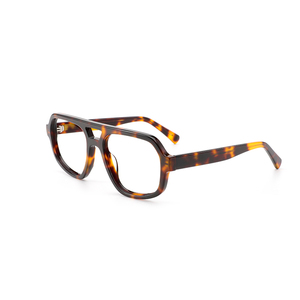

In the hyper-competitive international optical arena, private-label optical brands, multi-location optical practices, and wholesale distributors face an evolving challenge: delivering the authentic tactile depth and timeless aesthetics of retro frame design while satisfying uncompromising ergonomics, precision barrel alignment, and ultra-durable hinge mechanics. China’s premier eyewear manufacturing ecosystem has graduated from rudimentary assembly to world-class precision engineering. Leveraging custom-aged Italian and domestic bio-cellulose acetate blocks, lightweight medical-grade PA12 3D-printing, carbon composite integration, and automated optical flash measurement systems, we provide global procurement directors with verified, export-grade quality.
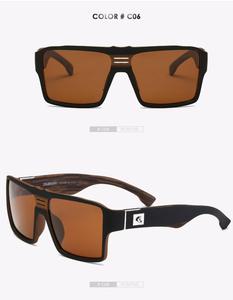
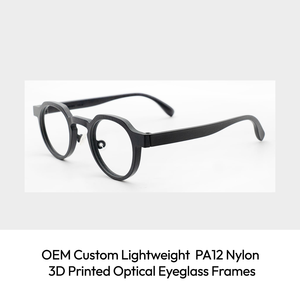
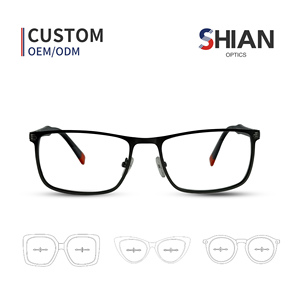
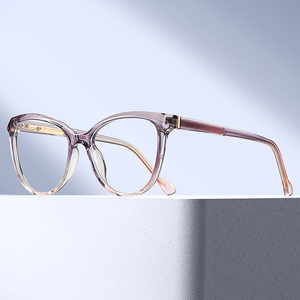
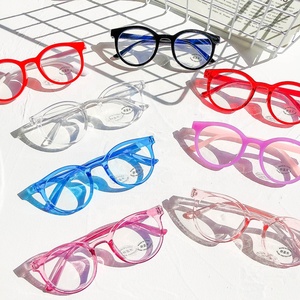

Rooted in an optical family design lineage dating back to 1879, our manufacturing infrastructure fuses historical European eyewear craftsmanship with China's state-of-the-art optical engineering clusters.
Guided by multi-generational optical practitioners, our retro frames are engineered with correct pantoscopic tilt, bridge anatomy, and temple taper angles, ensuring balanced weight distribution for all-day comfort without localized pressure points.
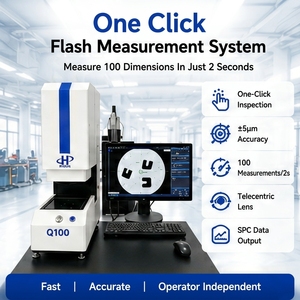
We eliminate batch-to-batch structural variance by inspecting bridge dimensions, screw depth, lens groove bevel angles, and temple symmetry using one-click automated optical flash measurement machines accurate to ±0.005mm.
From 5-axis CNC micro-milling of aged multi-laminate Mazzucchelli-grade cellulose acetate sheets to SLS 3D-printed PA12 nylon with proprietary tumble-polishing and sealed color-infusion, our dual production lines satisfy both artisanal retro and high-tech minimalist briefs.
We support established brands and emerging boutique labels with comprehensive CAD modeling, custom wire-core embossing, pad-printed or laser-etched temple insignias, low MOQ pilot runs, and rapid-turnaround physical prototyping within 10–14 days.
Every batch complies fully with ISO 12870, REACH regulation (EC) No 1907/2006 for nickel release and phthalates, and US FDA requirements (21 CFR 801.410 drop-ball impact resistance), safeguarding your wholesale network against regulatory friction.
Beyond physical hardware, we supply custom packaging suites, branded microfiber cloths, point-of-sale display assets, and trunk show display trays tailored for independent optometrists, luxury boutiques, and regional multi-store chains.
The international retro optical frame sector is experiencing an unprecedented structural renaissance. Once defined primarily by nostalgic aesthetic revivals of mid-century American browlines, 1920s round horn-rims, and 1970s oversized geometric aviators, retro frames have evolved into a core category representing over 38% of global optical dispensing volume. Discerning optical buyers no longer accept injection-molded, brittle plastics mimicking vintage styling. Contemporary eyewear consumers demand the heft, lustrous depth, hand-polished organic warmth, and structural longevity historically associated with small artisanal European ateliers.
China’s optical manufacturing epicenters—notably concentrated in Shenzhen (Henggang), Wenzhou (Ouhai), Jiangxi (Yushan), and Danyang—have invested heavily in automated subtractive milling, advanced metallurgical plating, and optical metrology. This industrial convergence empowers Chinese manufacturers to deliver retro eyeglass frames that combine historical tactile richness with modern mechanical performance. By utilizing multi-axis CNC machines and automated tumbling barrels, factories achieve razor-sharp lens bevels and glass-like finishes on high-density cellulose acetate.
The longevity, optometric adjustability, and tactile response of a retro frame depend directly on its core material chemistry. Leading Chinese suppliers deploy several material workflows to serve diverse market segments:
| Material Classification | Typical Vintage Silhouettes | Mechanical & Physical Merits | Target Retail Tier |
|---|---|---|---|
| High-Density Cellulose Acetate (Aged 60–90 days) | 1950s Wayfarer, Heavy-gauge Pantos, Bold Crown-Panto | High luster, deep tortoiseshell marbling, skin-friendly, retains optometric heat-adjustments without stress cracking. | Premium / Independent Opticians |
| Japanese Beta-Titanium / Pure Titanium | 1920s Round Wire, Edwardian Oval, Windsor Rim | Ultra-lightweight (4.5g–7.5g), hypoallergenic, extreme elasticity, vacuum ion-plating (IP) resists sweat acidity. | Luxury Clinical Optical Chains |
| Selective Laser Sintered (SLS) PA12 Nylon | Industrial Bold Architectural, Modern Minimalist Retro | 30% lighter than standard acetate, screwless hinge integration, zero tooling-mold costs for custom low-volume runs. | Avant-Garde Designer Brands |
| Cupro-Nickel & Monel Metal Alloys | Double-Bridge Aviator, Thin-Profile Reading Spectacles | High tensile strength, easily soldered for intricate vintage filigree bridge detailing, cost-effective scaling. | Commercial Wholesale / High-Volume |
| Layered Carbon Fiber / Magnesium | Retro-Sport Navigator, Executive Geometric Rectangle | Exceptional torsional rigidity, modern tactile weave texture, ideal for high-index prescription weight offsets. | Executive & Technical Collections |
B2B procurement professionals must anticipate several material, design, and regulatory shifts when developing multi-year sourcing roadmaps:
Sourcing retro eyeglass frames from China requires strict inspection protocols to verify structural durability and optometric compliance:
1. Hinge Fatigue Life-Cycle Testing: Hinge assemblies (3-barrel, 5-barrel, and 7-barrel riveted designs) undergo mechanical cycling through 20,000 cycles of 90-degree opening and closing. Residual torque must not deteriorate by more than 15%, ensuring temples maintain a snug fit without wobbling.
2. Dimensional Stability & Metrology Inspection: Utilizing automated vision measuring machines like the HSD-Q100, frames are inspected within 2 seconds for lens groove uniformity, bridge aperture width, and eyewire planarity to guarantee stress-free automated lens edging in clinical optical laboratories.
3. Sweat Acidity & Cross-Hatch Adhesion Testing: Metal frames and galvanic ion-plated components are subjected to artificial sweat immersion (pH 4.7) at 55°C for 48 hours to confirm zero surface pitting, flaking, or discoloration, guaranteeing long-lasting corrosion resistance.
Actionable answers to help procurement directors, brand owners, and optometry groups navigate OEM/ODM sourcing with Chinese manufacturers.
Connect with our technical optical engineering department to review OEM/ODM specifications, request physical material sample kits, or schedule a virtual factory line inspection.