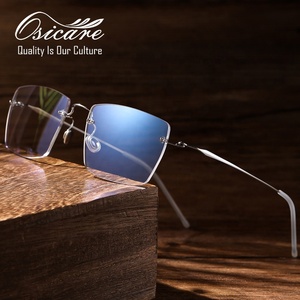
Beta-Titanium Alloy

Every structural component represents high-yield metallurgical innovation, from super-elastic beta memory temples to IP boutique vacuum-plated finishes designed for luxury optical retail.
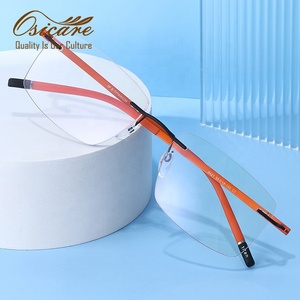
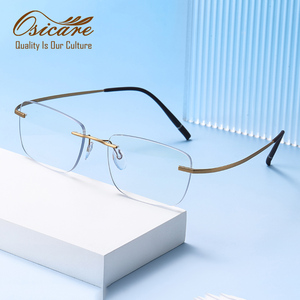
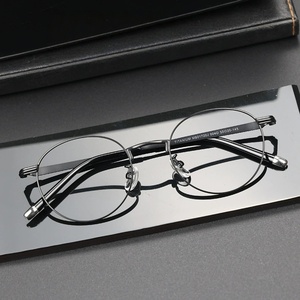

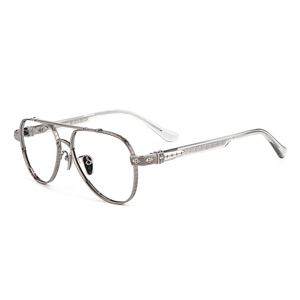
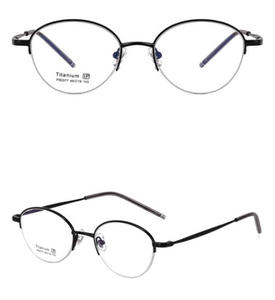
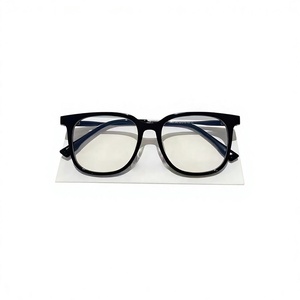
In high-end optical manufacturing, precision depends on understanding the micro-crystalline behavior of elemental titanium versus intermetallic beta alloys. Global optical buyers face critical margins where weight reduction must harmonize with flexural modulus and structural rigidity.
| Metallurgical Property | Pure Titanium (Grade 1 - 2 CP-Ti) | Aerospace Beta-Titanium (Ti-15V-3Cr-3Sn-3Al) | Standard Optical Alloys (Monel / Nickel Silver) |
|---|---|---|---|
| Tensile Strength (MPa) | 240 – 450 MPa | 880 – 1150 MPa | 350 – 550 MPa |
| Elastic Modulus (GPa) | 103 – 107 GPa (High Structural Rigidity) | 75 – 82 GPa (Ultra-Flexible Memory) | 120 – 160 GPa (Brittle under deflection) |
| Specific Density (g/cm³) | 4.51 g/cm³ (48% lighter than steel) | 4.65 – 4.72 g/cm³ | 8.40 – 8.80 g/cm³ (Heavy mass load) |
| Biocompatibility | 100% Medical Bio-inert, Non-cytotoxic | 100% Hypoallergenic, Non-reactive | Frequent skin irritation / Nickel leached |
| Primary Optical Usage | Front eye-wires, bridge assemblies, solid blocks | Ultra-thin temples, spring components, rimless bars | Budget commercial frame cores |
Our manufacturing infrastructure utilizes multi-axis CNC cold-pressing and cleanroom inert argon gas vacuum laser welding. Titanium oxidizes instantly at temperatures exceeding 400°C; standard torch soldering creates brittle intermetallic compounds, leading to immediate fracture at customer bridge stress points. Our automated laser welding protocols operate under 99.999% pure argon shielding, guaranteeing that every weld exhibits zero embrittlement and preserves fatigue life beyond 50,000 cycles.
Studio Optyx operates as a singular family-owned global design and manufacturing authority. Since 1879, our lineage has merged classic midwestern accountability with cutting-edge manufacturing lines in Shenzhen and Danyang, producing proprietary brands such as Erkers1879, NW77th, The Neighbors, and Tocco alongside bespoke private label exports.
Unlike ephemeral trading intermediaries, our lineage traces back to 1879. Every bridge radius, temple sweep, and pantoscopic angle is engineered according to five generations of facial anthropometry, ensuring zero nose-bridge slippage and balanced ear balance.
From raw Japanese Gr.2 sponge titanium ingot inspection to proprietary CAD prototyping, 3D laser profiling, and multi-tier ion physical vapor deposition (IP PVD), we run a complete closed-loop manufacturing facility with traceable batch testing.
Corrosion-resistant IP (Ion Plating) deposition layers reach up to 1.5–2.0μm with titanium nitride (TiN) and zirconium oxide primers. Frames resist salt spray, human sweat acidity (ISO 12870 certified), and chemical UV degradation for upwards of five years.
We provide low-MOQ sampling programs, complete optical trunk show assets, turn-key boutique private-label design, and rapid warranty replacements for wholesale distributors, corporate chains, and independent practices worldwide.
The optical hardware landscape is undergoing seismic shifts away from heavy monolithic structures toward biocompatible, micro-engineered architectural pieces. Procurement teams must integrate three primary shifts into their forward inventory models.
Selective Laser Sintering (SLS) is breaking design barriers previously constrained by tooling dies. Hybrid optical frames combining 3D-printed Polyamide PA11 fronts (as pioneered in our distributed lines like Monoqool) with micro-cast Grade 5 titanium temples provide zero-waste manufacturing, customized per-patient nose ergonomics, and finished weight profiles below 8.5 grams.
Traditional barrel hinges relying on micro-screws account for over 68% of post-sale optical returns due to thread stripping, backing out, and mechanical play. Future procurement cycles favor patented screwless friction joints, spiral titanium leaf springs, and multi-axis hinge blocks that rely exclusively on tension retention and require zero maintenance across multi-year wear life.
Consumers demand subtle, tactile luxury: brushed satin ruthenium, raw matte titanium graphite, galvanic champagne, and translucent ceramic electro-coating. Modern vacuum IP installations integrate organic, plant-based water-soluble sealing topcoats that eliminate solvent outgassing and meet strict international REACH and California Prop 65 consumer compliance criteria.
Detailed procurement answers addressing raw material certification, solder fracture prevention, minimum order commitments, and optical dispensing table adjustments.
Authentic Pure Titanium (CP-Ti) contains 99.2% to 99.5% elemental titanium and has a magnetic susceptibility close to zero; it does not trigger any response when exposed to high-strength neodymium magnets. We supply X-ray fluorescence (XRF) spectrographic test reports and mill test certificates (MTC) with every shipment verifying exact trace levels of iron, oxygen, and carbon in compliance with ASTM F67 and ISO 12870 standards.
Titanium solder joint failure occurs almost exclusively due to atmospheric oxygen and nitrogen embrittlement during brazing or torch heating. Our production utilizes high-vacuum pulse laser welders enclosed in automated chambers purged with 99.999% laboratory-grade argon. By preventing molten pool oxidation, our frame solder bridges achieve a shear fracture resistance exceeding 120 N, well above the ISO global baseline.
Wet electroplating deposits microscopic metal layers via electrolytic fluid baths, often leaving pores susceptible to corrosion from human facial perspiration. Our Ion Plating operates in a high-vacuum chamber where titanium ions are evaporated, ionized by plasma discharge, and accelerated onto the frame surface with high kinetic energy. This produces an atom-to-atom bond with surface hardness surpassing 2,000 HV and zero flaking or color degradation over extended commercial lifecycles.
For our existing, catalogued in-house boutique frame models (ready stock), our minimum order quantity starts as low as 50 to 100 units per style across assorted colorways. For bespoke OEM/ODM manufacturing involving custom tooling dies, 3D laser-stamped bridge plates, and proprietary branding temples, our baseline MOQ is typically 300 pieces per model (100 pieces per SKU colorway), with tooling validation completed within 25 days and full mass production delivered in 45–60 days.
Yes. While beta-titanium exhibits exceptional mechanical shape memory, our temple cores are engineered with localized ductile annealing zones along the ear bend. This allows optical dispensers to manipulate vertex distance, pantoscopic tilt, and temple curl wrap without the frame snapping back or experiencing internal crystal dislocation.
Whether you require curated ready-to-ship boutique inventory, customized private-label production, or private optical trunk show collections, Studio Optyx provides dependable factory direct quality rooted in 145 years of continuous craftsmanship.
Contact Us