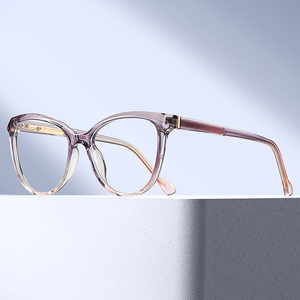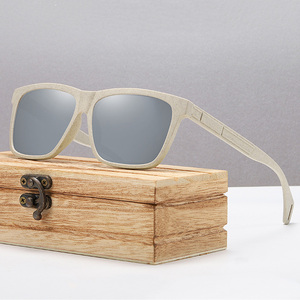

Top Trusted Artisan Eyeglass Frames Factory & Supplier

Precision-engineered acetate, eco-composites, and titanium architectures for tier-one optometry chains, independent optical boutiques, and international private labels.

Manufacturing Benchmark

Precision Engineering Meets Five Generations of Optical Heritage

Combining the meticulous artisanship of traditional hand-finishing with automated CNC 5-axis micromachining, surface plasma treatment, and rigorous stress analytics.

145+
Years Optical Heritage
0.02mm
CNC Milling Tolerance
72h
Tumble Barrel Tumbling
100%
Batch ISO 12870 Testing

Cured Cellulose & Bio-Acetate Slab Selection

Our raw structural material utilizes premium cotton-derived cellulose acetate sheets aged for a minimum of 90 days to eliminate internal volatile plasticizer stress. This stabilization process completely mitigates frame warpage, temple bending fatigue, and spontaneous pantoscopic angle alteration in varying dispensary climates.

Multi-Barrel Hinge Anchorage & Custom Wire Cores

Every temple is anchored with custom German-engineered 5-barrel or 7-barrel nickel-silver hinges, heat-riveted or ultrasonically welded deep into the acetate core. The custom-extruded stainless steel interior core wires provide opticians with cold-bend ease, retaining accurate facial ergonomics and bridge alignment throughout years of consumer adjustments.

72-Hour Micro-Pumice Tumbling & Hand Lapping

Unlike flash-lacquered commercial frames, our artisan eyewear undergoes a tiered 4-stage polishing protocol: 72 hours of coarse-to-fine organic birch and beechwood tumbling with pumice granules, followed by master artisan hand-buffing using carnauba wax wheels to yield a silky, mirror-grade luster that never flakes, peels, or yellows.

Strategic Intelligence

Future Sourcing Directions: The Evolution of Global Eyewear Procurement

Boutique chains and independent optical practitioners face shifting consumer demands. Discover the structural transformations redefining international supply chains over the next decade.

Circular Bio-Polymers & Wheat Straw Composites

The acceleration of eco-mandates in the EU and North American markets has elevated bio-degradable acetates and agro-waste composites (e.g., wheat-straw fibers blended with PLA). Sourcing managers are systematically phasing out petroleum-locked phthalates in favor of certified ISO 14855 biodegradable components that maintain tensile structural integrity while drastically lowering carbon footprints.

Audio-Integrated & Smart Sensor Form Factors

Smart wearable ergonomics are migrating from clunky prototypes into discreet luxury frames. B2B optical buyers are ordering lightweight hybrid TR90/acetate hybrid frames with hollowed temple cavities designed for bone-conduction transducers, micro-directional microphones, and ultra-miniaturized PCB motherboards without compromising prescription lens edging or frame warm-fitting protocols.

Agile Small-Batch OEM & Regional Customization

The traditional 2,000-piece per SKU manufacturing model is being superseded by high-agility lean batching (300 to 500 units per colorway). This enables independent optical networks to tailor bridge widths, pantoscopic tilt angles, and Asian-fit nose pads precisely matched to local clinic demographics without holding bloated seasonal stock liabilities.

Collaborate with an Established Artisan Manufacturing Partner

From initial rapid 3D CAD prototyping and custom acetate block laminations to complete packaging and CE/FDA compliant production runs—our engineers bring your vision to market within optimized lead times.

Enterprise Pedigree

A Heritage Rooted in Eyecare Excellence Since 1879

Originating with master opticians and optical instrument makers, our family-driven heritage reflects 145 consecutive years of lens-crafting, frame silhouette design, and technical optical dispensing. Today, Studio Optyx operates as an international apex production and distribution collective.

Unlike commoditized brokers or generic trading companies, we understand what happens in the examination lane and at the dispensing counter. Every bevel curve, temple core taper, and screw-thread pitch is calculated to resist daily wearer fatigue, ease lab technician glazed-lens insertion, and preserve brand equity for our boutique and private-label partners across the globe.

Artisan Eyewear Design & Craftsmanship Heritage
B2B Sourcing Guide

Frequently Asked Questions by Optical Buyers & Importers

Key technical parameters, minimum order benchmarks, quality assurance audits, and private-label onboarding guidelines.

Q1 What are the standard Minimum Order Quantities (MOQs) for custom OEM/ODM production runs?
For custom-tooled bespoke silhouettes using in-stock Italian or domestic cured acetate sheets, our standard production baseline is 300 pieces per model (divided into 2-3 custom colorways). For ultra-low volume sampling or quick-dispatch boutique collections, we supply curated off-the-shelf catalog styles with laser-engraved branding starting at 50 pieces per order.
Q2 How does your factory handle optical lens edging compatibility and bevel tolerances?
Our CNC 5-axis routers cut lens eyewires according to strict V-bevel standards (+/- 0.05mm tolerance). This guarantees that both manual and automated lens edging machinery (such as Essilor, Nidek, or Briot) seat high-minus or high-plus Rx lenses securely without frame deflection, temporal gaps, or lens pop-out under thermal fluctuations.
Q3 What regulatory and material certifications accompany wholesale shipments?
All production lines maintain stringent conformance with ISO 12870 (Ophthalmic optics – Spectacle frames), CE MDR (EU) 2017/745 Class I Medical Device regulations, and United States FDA 21 CFR 801.410 impact resistance testing (drop ball test for sun lenses). Comprehensive material safety data sheets (MSDS) regarding nickel-free platings and skin biocompatibility (ISO 10993) are provided with every batch.
Q4 Can we commission bespoke acetate color laminations and custom core wire stampings?
Yes. We specialize in custom block laminations (sandwiching contrasting Havana, crystal, and tortoise acetates) and bespoke internal core wires featuring customized guilloché filigree, brand monograms, and laser-etched caliber measurements. We supply rapid 3D acetate mock-ups within 10 to 14 working days prior to mold hardening and final production sign-off.
Q5 How does your quality control process eliminate hinge loosening over repeated cycles?
Our hinges undergo mandatory 20,000-cycle automated temple flex fatigue tests on calibrated testing rigs. Furthermore, we deploy micro-threaded nylon-sleeved screws or mechanical torque lock coatings that prevent temple friction degeneration and hinge sagging throughout the product lifecycle.
Q6 What are the lead times for prototyping versus full-scale mass manufacturing?
Initial technical CAD blueprints and 3D resin prototypes require 7–10 days. Pre-production physical acetate samples take approximately 20–25 days. Once samples are approved and acetate slab curing is verified, bulk production runs typically require 45 to 60 days, inclusive of 72-hour barrel polishing, manual assembly, microscopic inspection, and individualized packaging.