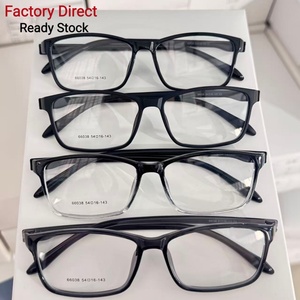
Each frame combines rigorous European CE regulatory compliance, refined anatomical bridge geometry for East Asian ergonomics, and multi-generational manufacturing integrity.

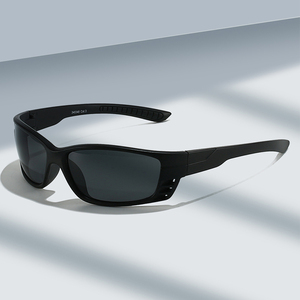
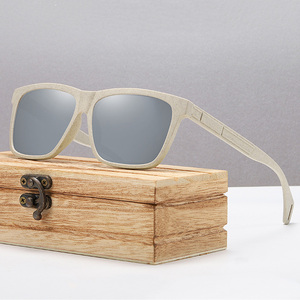
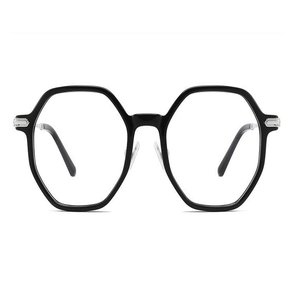
Why international conformity certifications and localized cranial biomechanics are the core criteria for Nagoya’s high-precision independent optometrists.
In the competitive optical retail market of Nagoya—anchored by dense metropolitan districts like Sakae (栄) and Meieki (名駅)—procurement directors are faced with an increasingly complex dilemma: how to satisfy an upscale consumer base demanding authentic retro, mid-century aesthetics without sacrificing optical dispensary precision, lens glazing stability, or dermatological safety. As independent opticians seek alternatives to monopolistic retail chains, the importation of CE certified vintage optical frames has emerged as the benchmark for clinical reliability and commercial differentiation.
Under the European Union Medical Device Regulation (MDR 2017/745) Class I framework, optical frames carrying the CE mark must demonstrate strict adherence to EN ISO 12870:2018. For Japanese importers, this guarantees resistance to perspiration (ISO 12870 Clause 4.7), dimensional stability under thermal cycle stress (-10°C to +55°C), optical axis alignment under mechanical deflection, and biological safety via EN 16128:2015 nickel release validation (<0.5 μg/cm²/week).
A classic pitfall encountered by Japanese optical chains sourcing Western vintage silhouettes is the mismatch in craniofacial fit. Authentic vintage European spectacles were calibrated for narrow nasal bridges, high root projections, and deeper temporal contours. When fitted directly to Japanese end-wearers in Aichi Prefecture, these frames often induce vertex distance inaccuracies, anterior slip, and inappropriate pantoscopic tilt angles.
Our production house rectifies this through customized Asian-fit (AF) engineering without altering the vintage exterior geometry. Acetate models integrate enlarged splayed bridge pads with contact surface angles adjusted to 28°–32°, lowering nasal pressure concentration. For metal and combination frames, we utilize elongated goose-neck pad arms manufactured from surgical-grade titanium, allowing opticians 3-axis micro-adjustability during final lens delivery. This ensures optimal focal alignment, specifically critical when fitting high-index free-form progressive lenses manufactured by Japanese brands like Hoya, Tokai Optical, and Nikon.
Multi-barrel barrel hinges and screwless joints undergo 25,000 continuous open-close cycles under 1.2N load, ensuring zero lateral play, hinge wobbling, or temple sag during long-term wearer adaptation.
Strict non-cytotoxicity verification under ISO 10993. Cellulose acetate frames are cured for 90 days to eliminate residual monomer outgassing, guaranteeing zero skin irritation in humid Nagoya summers.
CNC micro-milled eye wires with tolerance held within ±0.05mm. Accommodates 1.60 to 1.74 ultra-high refractive index lenses without lens popping, frame distortion, or stress birefringence fringing.
Matching architectural vintage collections to demographic epicenters throughout Aichi Prefecture’s commercial hubs.
Target Demographic: Automotive executives, engineering consultants, financial leaders operating in Midland Square and JR Gate Tower.
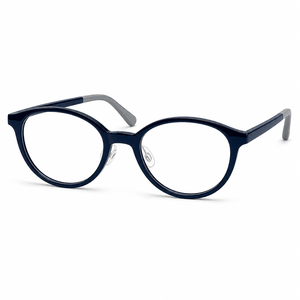
Curated Profile: Understated Crown Panto and modified Boston silhouettes crafted from lightweight TR90 alloys or featherweight Japanese titanium. Clean lines, dark tortoiseshell and matte ruthenium finishes deliver intellectual refinement while remaining progressive-lens compatible.
Target Demographic: Creative designers, vintage collectors, youth culture stylists, and vintage lifestyle tastemakers.
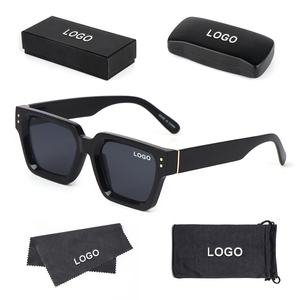
Curated Profile: High-density 8mm and 10mm slab acetate frames, thick-rimmed French vintage revivals, keyhole bridges, and custom tinted sun lenses. Emphasizes artisanal bevelling, hand-pinned hinges, and raw structural authenticity that stands out on boutique display shelves.
Target Demographic: Multi-generational families, commuting technical professionals, school-age children requiring myopia control.
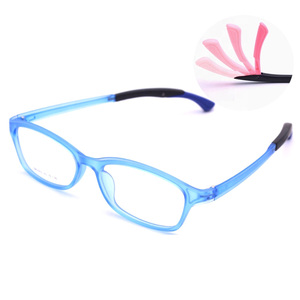
Curated Profile: Flexible, impact-resistant Nano pediatric optical frames alongside screwless TR90 retro reading glasses. Balances classic vintage styling for parents with ultra-resilient, hypoallergenic, and break-resistant frames for children in active environments.
How changing demographics, sustainable material mandates, and optometric dispensing innovations dictate supplier selection.
In accordance with Japan’s green procurement guidelines and corporate ESG priorities championed by Chubu industrial enterprises, optical retail consumers increasingly reject conventional petro-based plastics. The procurement trend strongly favors wheat-straw bio-composites, recycled PET, and plant-based cellulose acetates (cotton linters & wood pulp) utilizing non-phthalate plasticizers, reducing frame carbon footprints by over 45% while retaining high polish depth.
Pure historical reproductions often struggle with weight and rigidity. Nagoya's optical clientele increasingly seeks "Neo-Vintage"—classic mid-20th century silhouettes (Wellington, Boston, Crown Panto) reconstructed with modern technical advancements: screwless high-tensile hinge mechanisms, internal wire-core weight distribution, and TR90 memory flex temples. This hybrid approach delivers vintage prestige alongside all-day corporate wearability.
As Japan's demographic profile matures, Nagoya opticians report an unprecedented demand for progressive addition lenses (PAL) and indoor occupational lenses. Vintage frames inherently provide a commercial advantage: their generous vertical lens depths (B-measurement typically ≥ 38mm) provide ample corridor length for progressive channels, eliminating peripheral distortion common in slim modern designs.
Rather than stocking generic mass-produced private labels, independent opticians in Sakae and Motoyama leverage limited-batch trunk shows and private-label curation. Independent optical owners maintain higher margin health and customer retention by partnering with independent manufacturing houses offering flexible MOQ thresholds, exclusive geographic protection, and uncompromised provenance.
Crucial commercial, regulatory, and logistics answers for Japanese opticians, optical buyers, and import consortia.
Connect with our wholesale accounts team to schedule a digital catalog review, request physical frame samples, or reserve an exclusive optical trunk show for your boutique practice in Nagoya.