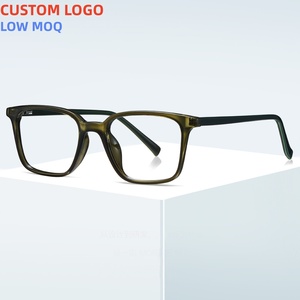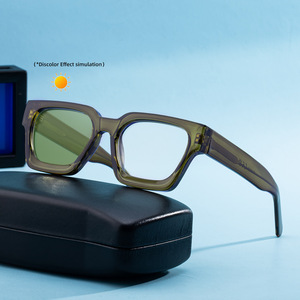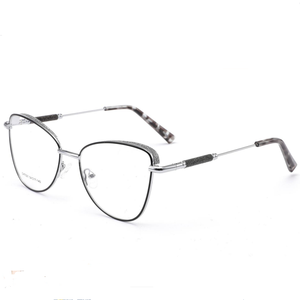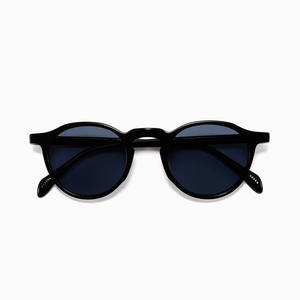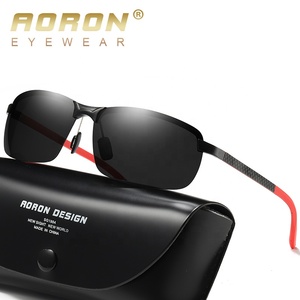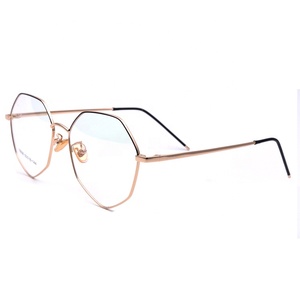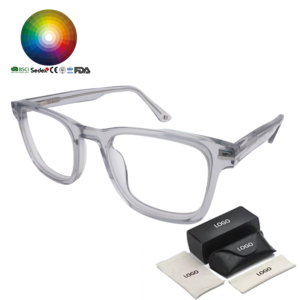
Engineered to comply with international optical standards and optimized for South American cranial ergonomics, high solar irradiance, and heavy digital usage.
The Chilean eyewear and ophthalmic market has transformed from a low-volume regional distributor network into one of Latin America's most sophisticated optical retail ecosystems. Driven by strong consumer purchasing power in urban nodes such as Santiago (Las Condes, Providencia, Vitacura), combined with expansive regional commercial centers in Valparaíso, Concepción, Antofagasta, and Puerto Montt, retail optical chains (ópticas) face acute pressure to balance luxury-tier tactile quality with resilient profit margins. For independent opticians, ophthalmological clinics, and regional dispensary chains, sourcing directly from audited, elite-tier Chinese optical factories represents the ultimate lever for sustainable market differentiation.
Benefiting from the China-Chile Free Trade Agreement (Tratado de Libre Comercio China-Chile), optical frames, sun lenses, and precision reading glasses classified under HS Codes 9003.11 (Plastics/Acetate) and 9003.19 (Base Metals/Titanium) enter Chile at a 0% tariff rate under preferential Form F certification. By bypassing intermediary trading companies in Miami or European design houses that outsource identical production, Chilean optical owners eliminate 40% to 65% in supply chain markups while retaining complete governance over private label branding, pantoscopic angle customization, temple wire reinforcement, and raw material purity.
Our manufacturing house synthesizes over 145 years of optical heritage with cutting-edge German 5-axis CNC micro-milling, automated barrel tumbling, and Japanese wet-polishing techniques. We bridge the critical gap between artisanal frame sculpting and mass industrial scale, ensuring that every optical silhouette shipped to the ports of San Antonio or Valparaíso satisfies both European CE directives and the rigorous medical registration parameters overseen by the Instituto de Salud Pública (ISP) de Chile.
Chile’s extreme geographic diversity—stretching over 4,300 kilometers from hyper-arid deserts to sub-polar fjords—dictates exact metallurgical and polymer specifications.
In the financial centers of Sanhattan (El Golf) and downtown Santiago, prolonged digital exposure has generated a surge in progressive blue-light optical demand. Our memory-polymer TR90 and ultra-thin surgical stainless steel cat-eye frames provide featherweight balance (under 12 grams), preventing nasal bridge fatigue during 10-hour working days while maintaining refined executive aesthetics.
Northern Chile (Antofagasta, Calama, Iquique) features the planet's highest UV index (UVI 11+). Ophthalmic practices in this zone require UV400 photochromic and polarized sun-frames featuring sealed 5-barrel hinges and dust-resistant PC/Polyamide structures that resist premature embrittlement caused by extreme thermal oscillation and alkaline desert dust.
From the humid coastal breezes of Viña del Mar to the salt-spray and rain of Puerto Montt and Punta Arenas, ordinary electroplated frames degrade within months. Our factories implement multi-tier vacuum PVD (Physical Vapor Deposition) ion plating and high-tensile carbon fiber temples that demonstrate zero oxidation under intensive salt-spray corrosion chamber testing.
Direct factory comparative matrix to assist optical laboratory directors and procurement managers in optimizing inventory turns.
| Frame Classification | Primary Substrate | Cranial Fit Profile | Tensile & Elastic Limit | Optimal Chilean Market Segment |
|---|---|---|---|---|
| High-Density Cellulose Acetate | Mazzucchelli 1849 / Custom Organic Flakes | Medium-Wide Bridge (18-21mm), Beveled Core Wire | Flexural Strength: 85 MPa; High Impact Resilient | High-end boutique opticians in Providencia, Las Condes & Vitacura |
| TR90 Swiss Memory Polymer | Pure Grilamid EMS Polyarylamide | Universal Adaptive Ergonomic Asian/Euro Hybrid | Elongation at Break > 150%; Zero Cold-Snap Fracture | Mass retail chains, prescription reading lines & youth myopia programs |
| Surgical Stainless Steel / Beta-Titanium | SUS316L / Ti-15V-3Cr-3Sn-3Al Alloy | Ultra-Slim Profile, Hypoallergenic Silicone Pads | Yield Strength > 920 MPa; High Fatigue Life | Executive corporate professionals, unisex minimalist minimalist luxury |
| Carbon Fiber Aero Composite | Multi-axial Toray 3K Prepreg Carbon | Wrap-around aerodynamic, Anti-slip Rubber Temple Tips | Strength-to-weight ratio 5x greater than steel | Outdoor mining personnel, sports cyclists, Patagonian adventure eyewear |
1. Decentralization of Dominant Optical Chains: Historically, major conglomerates such as Rotter & Krauss, GMO (EssilorLuxottica), and Ópticas Schilling captured over 60% of national volume. However, the post-pandemic landscape in Chile has catalyzed the expansion of aggressive, agile independent optical chains and online-to-offline (O2O) optometry clinics. These independent players build their brand equity by avoiding generic licensed designer names that carry exorbitant royalty costs, choosing instead to launch their own private label collections manufactured directly in our OEM facilities.
2. Increased Prescription Inset and Progressive Lens Adoption: The demographic aging curve in Chile is among the steepest in South America. The demand for presbyopic correction and multifocal free-form digital progressive lenses has surged by 8.4% year-over-year. This demands optical frames with an optimized vertical B-measurement (minimum 34mm to 38mm) and stable pantoscopic tilts (8° to 12°) that preserve progressive corridor alignment without optical aberration. Our tooling molds are specifically calibrated to accommodate high-index progressive surfacing.
3. Eco-Cellulose and Bio-Acetate Mandates: Environmental sensibilities in Chile, led by progressive municipal regulations and a conscious urban consumer base, have sparked strong interest in bio-based acetate (plasticizer-free, derived from sustainable wood pulp and cotton lint fibers). Our production facilities in China provide fully certified bio-degradable acetate frames complying with ISO 14855 standards, granting Chilean optical partners a powerful marketing narrative across eco-conscious demographics.
Rooted in an optical family heritage dating back to 1879, our factories integrate historical benchcraft with high-throughput modern manufacturing.
We do not merely assemble frames; we understand the physiological optics of frame fitting. Drawing upon five generations of artisanal master-craftsmanship, every hinge seat, temple curve, and eyewire groove is calibrated to eliminate cold-glazing frame stress during prescription lens edging.
Our acetate frames undergo a proprietary 72-hour tumbler cycle in organic beechwood chips infused with micro-crystalline polishing pastes, followed by double hand-buffing by seasoned optical artisans to achieve an enduring, deep liquid gloss that resists dulling caused by skin acidity.
From high-definition laser temple branding, customized temple tips, custom branded hard cases, and microfiber cleaning cloths printed in Spanish, we supply complete turnkey packaging systems that empower Chilean retailers to launch instant, high-margin brand board collections.
Authoritative answers to the commercial, legal, and operational questions most commonly encountered by Chilean optical buyers.
Optical frames classified under HS Code 9003.11 (plastics) and 9003.19 (other materials/metals) are eligible for 0% ad-valorem customs duties under the China-Chile FTA. To apply this benefit at Chilean customs (Servicio Nacional de Aduanas), our export documentation department issues an official Certificate of Origin Form F stamped by China Council for the Promotion of International Trade (CCPIT) or China Customs. This eliminates the standard 6% import tariff. Importers are only responsible for Chile's standard 19% IVA (Impuesto al Valor Agregado), which is fully deductible as an operational tax credit for registered optical enterprises.
In Chile, ophthalmic frames intended for prescription correction fall within the purview of medical devices (dispositivos médicos). While non-powered optical frames do not undergo the intensive pharmaceutical trials required for active implantables, Chilean customs and the Seremi de Salud require that frames comply with international quality management benchmarks. Our factory provides comprehensive Declaration of Conformity (CE Mark according to EU Medical Device Regulation 2017/745), ISO 13485:2016 certification for medical device manufacturing, and detailed material safety reports proving biocompatibility and non-toxicity (ISO 10993-5/10) to facilitate seamless national entry approval.
For our ready-to-ship catalog frames (in-stock acetate, metal, and TR90), the MOQ is as low as 50 to 100 units per model with custom laser engraving of your clinic or retail chain logo. For fully customized OEM orders—incorporating bespoke pantone colors, custom tooling profiles, or proprietary core-wire engravings—the standard MOQ is 300 units per model (split across 3 colorways, 100 pcs each). This structure allows independent Chilean retailers to curate an exclusive, multi-tier brand board without tying up excessive working capital.
We operate dual logistics pipelines tailored to your inventory velocity. For high-volume sea freight, shipments depart from Ningbo or Shenzhen ports directly to Puerto San Antonio or Puerto Valparaíso, with an average transit time of 28 to 35 days. For urgent collection launches, replenishment orders, or custom samples, we utilize express air freight via DHL, FedEx, or air cargo directly into Aeropuerto Internacional Arturo Merino Benítez (SCL) in Santiago, delivering door-to-door within 5 to 8 business days complete with pre-cleared customs documentation.
Yes. While standard European frames often feature narrow nasal bridges and extended temples that slide down South American nasal contours, our engineering department designs specialized Universal Comfort Fit bridge geometries. We offer elevated silicone-coated titanium nose pads, modified acetate keyhole bridges (17-19mm), and balanced temple curves (140-145mm) that ensure optimal vertex distance (12mm) and comfortable ear wrapping without creating painful temple pinch points.
Bypass import middlemen, unlock zero-tariff trade via Form F documentation, and elevate your frame board with 145 years of optical engineering excellence. Request our complete wholesale catalog and material sample kits today.