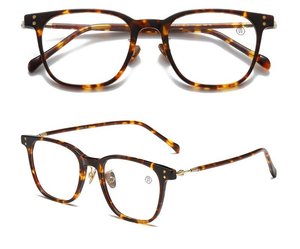
Direct-from-factory production built upon five generations of optical heritage. Compliant with CE, ISO 13485, and FDA standards, designed to meet the rigorous clinical dispensing and aesthetic demands of Johannesburg, Cape Town, and Durban practices.
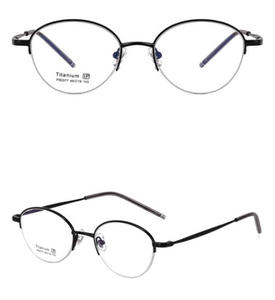
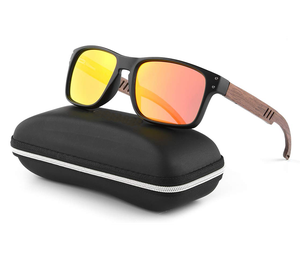
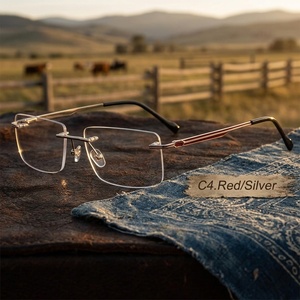
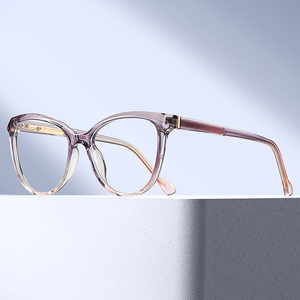
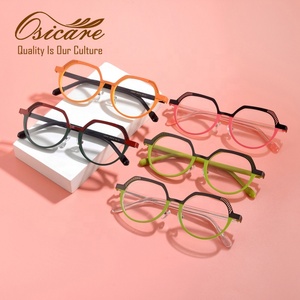
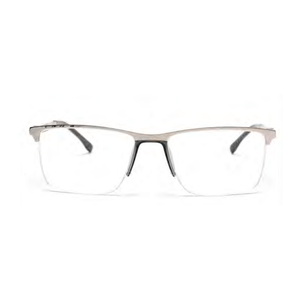
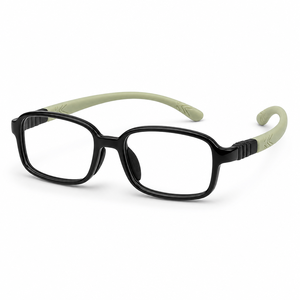
The South African optical landscape is undergoing an aggressive structural transformation. For decades, independent optometrists and corporate retail groups across Gauteng, the Western Cape, and KwaZulu-Natal were bound to European middle-tier distribution conglomerates that marked up landed wholesale costs by as much as 250% to 400%. With the rising cost of living in South Africa, fluctuating exchange rates between the South African Rand (ZAR) and global reserve currencies, and the strict capped optical limits imposed by major medical aid schemes such as Discovery Health, Bonitas, and Momentum, optical practitioners face an acute dilemma: preserve gross dispensing margins without sacrificing frame durability, skin tolerance, or brand reputation.
This technical whitepaper outlines the competitive paradigm of establishing a direct manufacturer-to-practice pipeline with high-end Chinese optical factories. Rooted in more than 145 years of optical legacy stemming from master frame crafting since 1879, our manufacturing plants synthesize artisanal heritage with clean-room precision engineering. We provide optical buyers in South Africa direct tier-1 access to pure Japanese beta-titanium, multi-barrel integrated German hinges, bio-cellulose Mazzucchelli-grade acetate, and screwless 3D-printed selective laser sintering (SLS) nylon structures.
Whether servicing affluent private dispensaries in Sandton and Camps Bay or high-volume managed eyecare practices operating in commercial shopping hubs, our production processes provide the exact metallurgical and structural resilience required for the sub-Saharan climate.
Supplying eyewear to the South African market requires technical foresight beyond standard European or North American manufacturing templates. The country features distinct geographical and climatic microclimates that subject optical hardware to extreme physical stresses:
The Highveld plateau (Johannesburg, Pretoria) sits at over 1,700 meters above sea level, producing intense UV radiation and drastic diurnal temperature shifts. Our frames utilize stabilized bio-cellulose acetate infused with UV-blocking stabilizers to prevent frame embrittlement, warpage, and chromatic fading.
In coastal metros like Durban, Gqeberha, and Cape Town, high ambient salt spray triggers rapid pitting and galvanic corrosion in low-tier electroplated alloy frames. We deploy multi-layer physical vapor deposition (PVD) titanium ion-plating and vacuum galvanic sealing tested against 96-hour continuous neutral salt spray (NSS).
South Africa’s multicultural patient base requires varied pantoscopic tilts, broader bridge spans, and adjustable temple lengths. Our custom OEM/ODM tooling accommodates diverse nasal bridge apex heights and pupillary distance (PD) spectrums, eliminating the slippage common with standard European fitting profiles.
To construct an authoritative frame board that converts walk-in patients into long-term practice advocates, procurement managers must align their inventory cycles with domestic behavioral trends:
| Consumer Segment | Dominant Demand Criteria | Recommended Frame Class | Practice Value Driver |
|---|---|---|---|
| Affluent Metro & Executive (Sandton, Rosebank, V&A Waterfront) |
Minimalist weight, hypoallergenic comfort, boutique brand prestige, subtle architectural accents. | Japanese Pure Beta-Titanium, Screwless SLS 3D-Nylon, Luxury MS Acetate. | High out-of-pocket spend; patients seek unique, non-commercial exclusivity not stocked in mass chains. |
| Corporate & Managed Healthcare (Discovery Health & Bonitas Patients) |
Maximized allowance utilization, all-day blue-light filtration, robust flex hinges, contemporary design. | Square Metal Half-Frames, Anti-Blue Blocking Rimless Glasses, Classic Hand-Polished Acetate. | Seamless fit within primary medical aid frame allowances, minimizing patient co-payments while maximizing margin. |
| Eco-Conscious & Outdoor Enthusiasts (Western Cape, Garden Route) |
Biodegradable materials, certified UV400 polarized clarity, sustainable and ethical sourcing. | FSC-Certified Bamboo Sunglass Combinations, Recyclable PC/Bio-Acetate Composites. | Strong storytelling narrative; appeals directly to millennial and Gen-Z consumers prioritizing environmental sustainability. |
| Pediatric & Adolescent Eyecare (Nationwide Clinical Practices) |
Zero-toxicity, indestructible impact deflection, food-grade silicone flexibility, strap integration. | Flexible Memory Silicone Children's Frames, Screwless Rubberized Construction. | High parental trust and repeat clinical visits; compliant with strict pediatric biocompatibility testing. |
Industrial eyewear production is an exacting science where tenths of a millimeter dictate dispensing accuracy, vertex distance stability, and patient ocular comfort. Drawing inspiration from 145 years of optical precision dating back to our foundational roots in 1879, our factories integrate historical bench-craft disciplines with computerized fabrication:
Every hand-polished acetate frame is milled from cured, dried organic cellulose blocks using high-speed 5-axis CNC machines to ensure optical groove depth accuracy of ±0.05mm, preventing lens ejection under high cylinder prescriptions.
Rather than relying on chemical dip glosses that degrade within weeks of cutaneous sebum contact, our acetate temples and frontals undergo a 72-hour walnut shell and pumice tumbling regimen, culminated by master bench artisans with cotton wheels.
Every production run is validated through 25,000 continuous open-close mechanical cycles under temperature-controlled loads, guaranteeing that spring hinges, rivets, and screwless joints will not loosen or seize throughout the multi-year patient lifecycle.
Essential regulatory, logistical, and commercial guidelines for South African optometrists, practice owners, and wholesale frame distributors.
Under the South African Revenue Service (SARS) customs classification, spectacle frames fall under Harmonized System (HS) Code 9003.11 (for frames of plastics) and HS Code 9003.19 (for frames of other materials, including titanium and base metals). Generally, spectacle frames imported for optical correction purposes enter South Africa at 0% general customs duty, but are subject to statutory South African Value Added Tax (VAT) at 15% calculated on the Added Tax Value (ATV), which is typically derived as: (Customs Value + 10% upliftment + non-rebated duties) × 15%. Our export compliance documentation is formatted strictly to meet SARS electronic clearance standards to prevent bonded warehouse delays at OR Tambo (JNB) or Durban Container Terminal.
Yes. We provide complete OEM/ODM private labeling solutions for independent optometrists, regional optical chains, and commercial buying groups. We execute high-precision interior temple laser marking (including practice name, CE marking, model numbering, frame dimensions like 54□18-140), hot-foil stamping on customized microfiber cleaning cloths, and embossed clamshell cases. Our custom branding Minimum Order Quantity (MOQ) begins at accessible tiers (often as low as 100 to 300 pieces per collection style across assorted colorways), enabling South African practices to cultivate their own house boutique brands and insulate their margins against commoditized online price comparisons.
We offer dual logistics pathways depending on your inventory velocity. For high-urgency, sample evaluation, or boutique replenishment orders, Express Air Cargo via DHL, FedEx, or air-freight consolidation into OR Tambo International Airport (JNB) takes approximately 4 to 7 business days. For bulk commercial container inventory (5,000+ units), Ocean Freight from Shenzhen or Ningbo ports to Durban Harbor or Cape Town takes approximately 22 to 28 days port-to-port. We handle complete commercial documentation, packing lists, and Certificates of Origin (COO) to facilitate immediate customs processing through your designated freight forwarder.
All optical frames manufactured across our facilities comply with international standards including ISO 12870:2016 (Ophthalmic optics — Spectacle frames — Requirements and test methods), CE Medical Devices Regulation (EU) 2017/745 (Class I Medical Devices), and US FDA requirements. Materials such as our pure titanium and bio-acetate comply with ISO 10993 cytotoxicity and skin irritation standards, guaranteeing zero nickel release to safeguard sensitive patients against contact dermatitis under hot African summer conditions.
We encourage optical buyers to request physical sample prototype kits prior to placing commercial production runs. South African eyecare professionals can select a curated curation of 8 to 15 representative styles (spanning pure titanium, hand-made acetate, silicone pediatric frames, and polarized eco-bamboo sunglasses). Sample kits are dispatched via express courier with full tracking. Furthermore, our dedicated account managers provide live video technical walkthroughs detailing hinge mechanics, bridge apex angles, rim-lock integrity, and raw material verifications directly from our testing laboratory.
We stand behind our production with a comprehensive 12 to 24-month factory quality warranty against metallurgical defects, plating peeling, and joint separation. To support rapid dispensing adjustments at your practice, every commercial wholesale shipment includes a complementary spare parts buffer (extra matching acetate temple tips, silicone nose pads, rim-lock screws, and hinge spring assemblies). In the unlikely event of an undetected manufacturing variance, our warranty guarantees immediate credit replacement on your subsequent production run.
Transform your practice's dispensing economics. Partner directly with an established high-end optical manufacturing house combining five generations of heritage craftsmanship with modern CNC micro-engineering.
Get a Quote