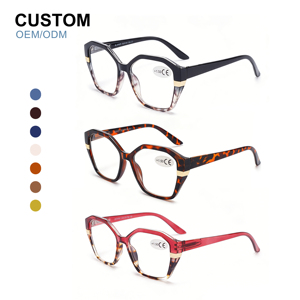

Tested to comply with SASO, ISO 12312-1, and CE UV400 photometric requirements. Ready for custom logo branding and bulk Riyadh shipments.
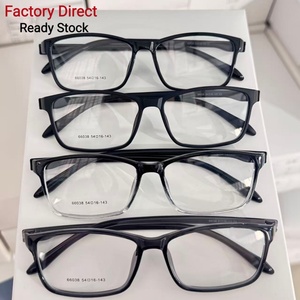
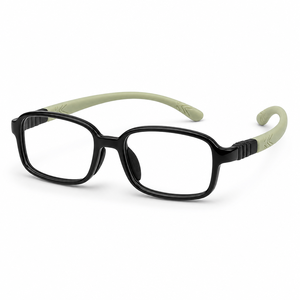
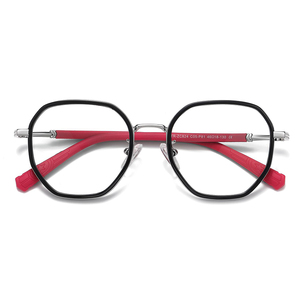
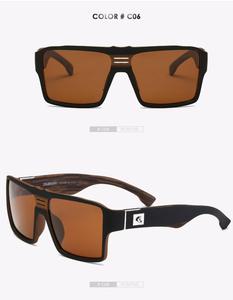
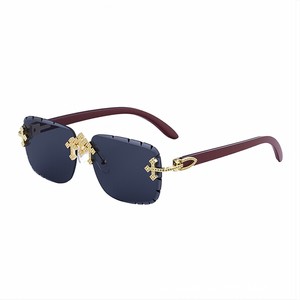
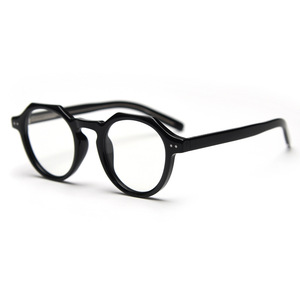
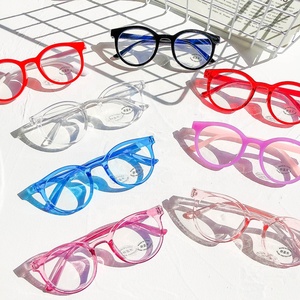
The Riyadh optical and retail eyewear market presents one of the most commercially lucrative yet environmentally challenging landscapes for international eyewear suppliers. Situated in the heart of the Arabian Peninsula, Riyadh endures extreme climatic variables: sustained solar irradiance with an Ultra-Violet (UV) index consistently exceeding 11+ for six consecutive months, peak ambient daytime temperatures eclipsing 48°C, and vehicle interior cabin temperatures regularly reaching 75°C. For commercial optical distributors, optical dispensary chains along King Fahd Road, and boutique retailers across Olaya and Al Nakheel, off-the-shelf polarized sunglasses frequently fail due to PVA polarizing film delamination, thermal bridge warpage, and premature anti-reflective layer cracking.
As an authoritative Chinese eyewear manufacturing consortium built upon five generations of eyewear lineage, precision tooling, and high-volume cleanroom lens lamination, we provide dedicated B2B wholesale solutions tailored specifically for the Najd geographic zone. Our polarized sunglasses incorporate triacetate cellulose (TAC), impact-resistant polycarbonate (PC), and ultra-crisp nylon polarized lenses, engineered through high-vacuum magnetron sputtering and cured with UV-stabilized adhesives. Every batch exported from our facilities directly into Riyadh via King Khalid International Airport (RUH) or through dry-port logistics via Dammam is fully aligned with the Saudi Standards, Metrology and Quality Organization (SASO) and documented transparently on the SABER platform.
How our specialized polarizing filters solve distinct operational and lifestyle challenges across Saudi Arabia.
High-velocity transit along the Riyadh Eastern Ring Road and King Salman Road creates intense asphalt mirage reflection. Our 99.8% polarization efficiency neutralizes blinding horizontal glare from bleached tarmac, white SUVs, and architectural glass façades, reducing eye fatigue during peak daylight hours.
Red sand dunes in Al Thumamah and the Tuwaiq escarpment disperse massive ambient and reflected light. Our polarized category 3 and 4 lenses use selective multi-layer amber and copper tinting to sharpen contour contrasts, allowing drivers and off-road adventurers to gauge dune gradients accurately.
The cosmopolitan shift across Riyadh Boulevard, KAFD, and open-air cafés demands seamless visual aesthetics combined with UV400 filtration. High-density Italian acetate and featherlight magnesium-aluminum frames offer bespoke runway elegance that resists sweat acidity and sunscreen degradation.
Strategic insights for commercial wholesale buyers navigating the Kingdom's evolving luxury and medical retail landscape.
Traditional nickel-alloy frames conduct intense heat when left inside parked cars in Riyadh, leading to patient skin irritation. The market is shifting toward ultra-flexible Swiss EMS TR90, carbon fiber, and surgical silicone components that do not warp or transfer excessive thermal energy.
Customs clearance through Zakat, Tax and Customs Authority (ZATCA) demands verifiable laboratory test certificates matching SASO requirements. Importers in Riyadh now require established Chinese factory partners with pre-certified technical documentation to avoid port clearance delays.
Riyadh's independent optometrists and boutique optical groups are moving away from heavily marked-up European conglomerate licensing models. They are creating proprietary private brands with custom laser engraving, bespoke microfiber cases, and unique Arabic-tailored low-bridge fits directly from China.
Rooted in an optical manufacturing pedigree since 1879, bridging historic craftsmanship with modern automated mass production.
Carrying forward five generations of eyewear lineage, our design philosophy combines precision temple tension balancing, ergonomic nose pad distribution, and hand-finished tumbling with advanced industrial robotics.
Every lens lot undergoes spectrophotometer testing, cross-hatch adhesion checks, artificial perspiration immersion, and cyclic thermal stress exposure (-20°C to +80°C) to ensure zero delamination in the Arabian desert.
We provide comprehensive customs documentation: bilingual SASO-compliant laboratory test reports, certificates of conformity, Arabic warning labels, and direct air-freight door-to-door or sea-freight DDP solutions to Riyadh warehouses.
Clear, authoritative technical answers addressing customs, materials, Minimum Order Quantities (MOQs), and local customization.
All sunglasses entering Saudi Arabia require a Product Certificate of Conformity (PCoC) and Shipment Certificate of Conformity (SCNoC) registered via the online SABER portal. Eyewear must comply with SASO / ISO 12312-1 standards for optical quality, Category 3 luminous transmittance, UV400 blocking, and non-toxic frame finishes. Our export team coordinates directly with accredited third-party inspection bodies to supply all valid paperwork.
Standard cheap polarized lenses utilize water-soluble PVA adhesives that peel, blister, or turn milky when left inside a hot vehicle interior. We utilize thermoset optical polyurethane lamination film and edge-sealed hydrophobic barriers that resist delamination under continuous exposure to 75°C dry heat and thermal shock tests.
For ready-to-ship models in our catalog (such as TR90 frames or metal sunglasses), custom logo laser engraving or pad-printing is available starting at low minimums of 100 to 300 pieces per model. For bespoke ODM projects involving custom color injection, specialized acetate tooling, and bespoke luxury packaging, MOQs generally start at 600 to 1,200 pieces.
Yes. We accommodate structural ergonomics including modified pantoscopic tilt angles, built-up silicone or titanium pad arms, and widened bridges. These modifications prevent frame slippage caused by higher perspiration levels during outdoor events and accommodate distinct regional facial structures comfortably.
Air freight shipments to King Khalid International Airport (RUH) typically take 4 to 7 business days following final production and customs inspection. Sea freight to King Abdulaziz Port in Dammam, coupled with inland rail transit to the Riyadh Dry Port, averages 18 to 25 days, offering cost-effective transit for high-volume orders.
Absolutely. Prior to full-scale automated injection or CNC acetate cutting, we ship functional counter-samples equipped with specified polarized tints, lens coatings, and branding for tactile inspection, fitting clinics, and internal clinical approval in Riyadh.