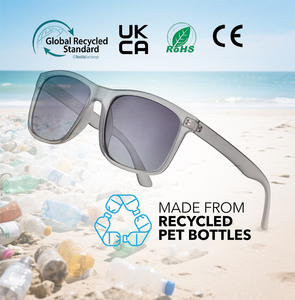

Engineered for high solar intensity, extreme UV exposure, and rapid indoor-to-outdoor lifestyle transitions across commercial hubs in Lagos, Abuja, Port Harcourt, and Kano.
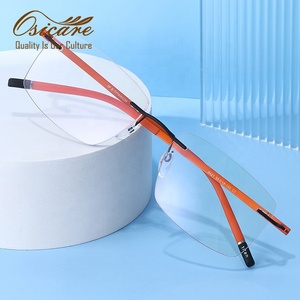
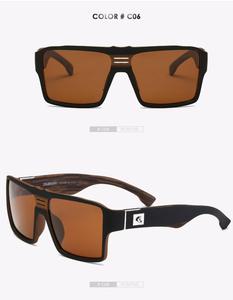
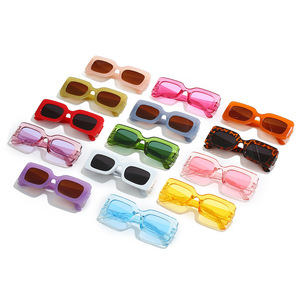
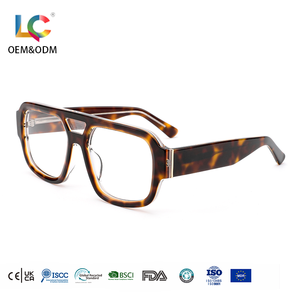
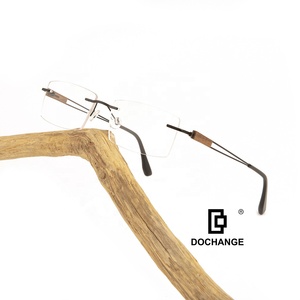
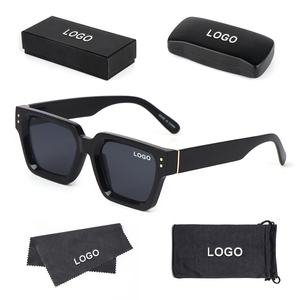
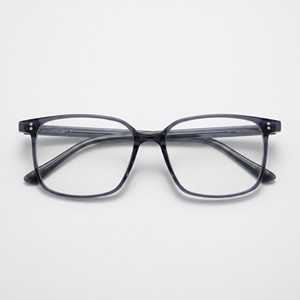
Nigeria’s eye health economics have evolved drastically. In urban centers like Lagos, Ibadan, and Abuja, the retail eyewear landscape is facing a decisive transition: optical consumers increasingly refuse the double-capital outlay of purchasing independent single-vision prescription glasses alongside secondary prescription sunglasses.
The solution gaining undeniable momentum across independent optical practices, pharmacy chains, and retail optometrists is the magnetic and mechanical clip-on eyewear framework. Serving as a foundational primary optical chassis while converting instantaneously into high-clarity polarized sun shields, clip-on systems resolve the consumer conflict between soaring ophthalmic lens costs and the clinical necessity of photoprotection.
Operating near latitude 4° to 14° North, the Nigerian populace encounters some of the planet’s highest ultraviolet indices, often hovering between UV 10 and 12+ year-round. Prolonged solar exposure across unshielded visual pathways accelerates early cataract formation, pterygium development, and retinal degeneration. Optical retailers stocking Studio Optyx clip-on eyewear supply more than a fashion accessory; they dispense an indispensable clinical defensive shield configured specifically for tropical light environments.
Why conventional eyewear falls short in West African usage cycles, and how specialized clip-on hardware addresses ambient infrastructural demands.
Commuting along the Third Mainland Bridge, Lekki-Epe Expressway, or navigating the stop-and-go congestion of Apapa exposes vehicle drivers to intense reflection from asphalt, marine waterways, and neighboring chrome surfaces. Our multi-layer TAC polarized clip-ons eliminate blinding horizontal light waves within milliseconds without forcing motorists to change eyeglasses while driving.
During the dry harmattan winds sweeping across Northern and Central Nigeria (Kano, Kaduna, Jos), ambient particulate matter creates light scattering that severely compromises visual contrast. Clip-on lenses engineered with oleophobic coatings and high-contrast amber/bronze tints prevent airborne fine sands from scratching base prescription lenses while heightening spatial perception.
Professionals moving between air-conditioned boardroom presentations in Victoria Island and glaring equatorial sunlight demand instantaneous versatility. The magnetic integration on our surgical-grade stainless steel and lightweight acetate chassis allows instantaneous attachment with zero mechanical clunkiness, maintaining sleek, executive elegance.
Importers, distributor consortiums, and standalone optical retail owners are redefining procurement strategies based on unmistakable demographic and financial dynamics.
1. Currency Devaluation and Price Rationalization: With structural currency fluctuations impacting the Naira (NGN), consumers are prioritizing consolidated value. An ophthalmic customer who previously budgeted for distinct designer optical glasses and separate prescription sunglasses now allocates funds towards a premium dual-purpose hybrid system. Optical dispensaries providing a clip-on ecosystem achieve higher transaction conversion rates and lower patient drop-off.
2. Surge in Digital Screen Strain vs Outdoor Glare: Blue light exposure from smartphones and multiple display workstations across Nigeria’s burgeoning fintech and digital economy sectors has driven standard optical frame adoption. By incorporating blue-filtering clear base lenses coupled with TAC Category 3 UV400 clip-ons, wearers protect their macula against HEV radiation indoors and unfiltered photovoltaic assault outdoors.
3. Rise of Titanium, Eco-Polymers, and Carbon Fiber: Coastal ambient humidity in southern Nigeria places intense galvanic pressure on low-grade nickel-alloy electroplating, resulting in premature green verdigris corrosion, hinge rust, and skin dermatitis. High-end retailers are rapidly shifting toward hypoallergenic Beta-Titanium, vacuum-molded RPET, and carbon-fiber composite materials that withstand corrosive tropical moisture.
Unlike transient trade brokers, Studio Optyx brings 145 years of continuous manufacturing heritage, tracing its foundational origins to St. Louis in 1879. Guided today by Jack Erker III and Tony Erker, our design house maintains rigorous tolerances that lower bridge strain, eliminate magnetic clip slippage, and maintain true optical axis alignment.
We engineer our magnetic clip-on interfaces with rare-earth N52 neodymium magnets recessed seamlessly into the frame structure. Clips lock securely into place without scratching delicate acetate or dislodging during vigorous head movement.
We honor the independent retailer. We deliver differentiated collections (such as Erkers1879, NW77th, Tocco, and specialized distributed technical lines like Monoqool) that keep your practice immune from generic online mass-market erosion.
Every consignment destined for West African freight forwarders undergoes multi-point alignment inspection: stress-testing barrel hinges, sweat-saline exposure verification, and optical axis distortion zero-tolerance checks.
Critical considerations on bulk importation, custom clearance protocols, frame durability, and technical execution.
Expand your clinic or distribution inventory with world-class clip-on eyewear frameworks, hand-finished acetate, and beta-titanium optical designs. Speak directly with our international trade and export division today.