Pure Titanium
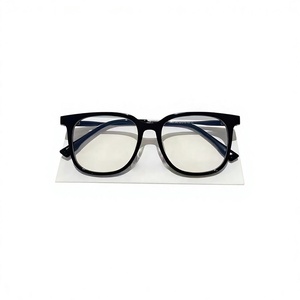
Ultra-light Pure Titanium Sheet Prescription Eyeglass Frame Full-Rim Punk Aesthetic

Engineered specifically for British dispensing opticians, independent retail chains, and NHS prescription compliance. Complete with batch traceability, hypoallergenic coatings, and modular repairability.
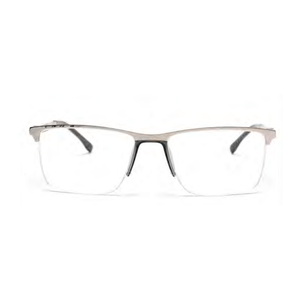
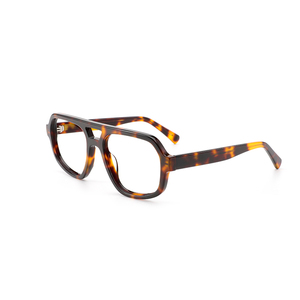
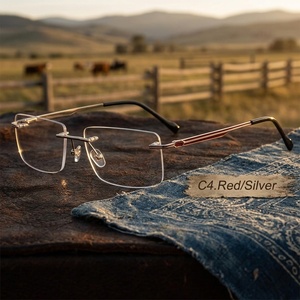
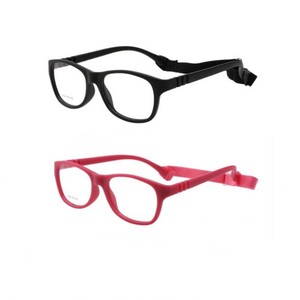

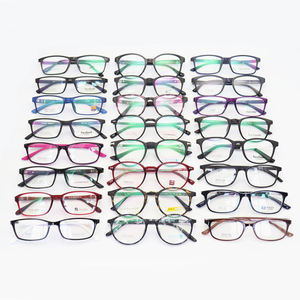
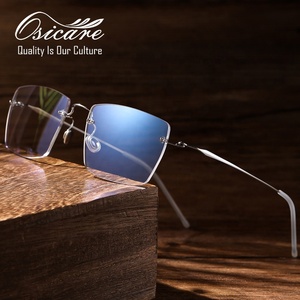
Certified ISO 14855 compostable cellulose acetate without chemical plasticizers.
Rigorous compliance with BS EN 1811:2011+A1:2015 hypoallergenic safety metrics.
Life Cycle Assessment (LCA) reduction compared to conventional petroleum PMMA frames.
Pre-audited ophthalmic medical device documentation aligned with MHRA protocols.
The British eyewear industry is undergoing a monumental transformation. Discover how stringent sustainability mandates, consumer discernment, and regulatory pressures are reshaping wholesale ophthalmic procurement.
Since the implementation of the UK Plastic Packaging Tax (PPT) at £217.85 per tonne on virgin plastics, independent practices and wholesale distributors face direct fiscal penalties for non-recycled components. Sourcing frames manufactured from verified post-consumer recycled (PCR) pellets and bio-based acetates directly shields optical practices from escalating domestic tariff structures and EPR compliance costs.
UK optometry retail chains are exposed to severe reputational and legal risks under the CMA’s Green Claims Code. Vague marketing slogans such as "natural eyewear" or "green plastic" are legally actionable. Our manufacturing ecosystem provides independent opticians with comprehensive third-party lab documentation, chemical assay reports, and material cradle-to-gate certification to authenticate every retail claim.
With NHS England targeting a Net Zero supplier footprint by 2045, local Integrated Care Boards (ICBs) increasingly favor optical providers demonstrating sustainable supply chains. Providing high-durability, repairable, and non-toxic bio-TR90 and recycled metal options under NHS GOS voucher tiers allows practitioners to win public health procurement bids while uplifting retail margins.
Optical frames must endure skin pH, sweat acidity, optical dispensing adjustment heat, and mechanical torsion. Below is our industrial benchmark for sustainable optical materials versus conventional fossil-based plastics.
| Material Classification | Feedstock Provenance | Carbon Footprint (kg CO₂/kg) | Tensile Modulus (MPa) | Dispensing Workability | UK Regulatory Status |
|---|---|---|---|---|---|
| M49 Certified Bio-Acetate | FSC-certified wood pulp & cotton linters; bio-based triethyl citrate plasticizer | 1.82 (65% lower) | 2,400 - 2,800 | Exceptional heat-shaping at 65°C; superior temple core wire retention | BS EN ISO 12870:2018 / UKCA Class I |
| Aerospace Recycled Pure Titanium | Certified aerospace swarf & post-industrial scrap vacuum arc remelted (VAR) | 4.20 (58% lower) | 105,000 - 120,000 | Cold-pliable beta-flexure; laser screwless micro-hinge fabrication | 100% Bio-inert / REACH Annex XVII Zero Nickel |
| Bio-Based Castor TR-90 Polymer | Renewable Ricinus Communis seed oil (Rilsan clear bio-polyamide) | 2.10 (52% lower) | 1,650 - 1,900 | High elastic return memory; cold insertion of CR-39 / polycarbonate lenses | BPA / BPS Free; Paediatric Safety Certified |
| Conventional Petroleum Acetate | Fossil crude oil derivatives with diethyl phthalate (DEP) plasticizers | 5.45 (Standard Baseline) | 2,200 - 2,600 | Standard hot-air blower bench adjustment; prone to plasticizer bleeding | Phthalate restrictions under UK REACH |
| Standard Nickel-Copper Monel | Virgin mined bauxite, copper ores, and primary mined nickel | 8.90 (High Footprint) | 130,000 | Rigid solder joints; prone to plating degradation from skin sweat acidity | Requires thick barrier electroplating for UK sale |
Traditional spectacle frame front extraction generates over 60% raw sheet waste. Our high-precision 5-axis CNC machining centers capture 100% of bio-acetate cutting swarf and shavings. This residue is micro-granulated, re-filtered, and compounded into our proprietary secondary architectural temple core collections, guaranteeing net-zero material loss.
Conventional tumbling barrels rely on petroleum-derived paste waxes and harsh organic solvents to deburr frame edges. We employ an artisan 4-stage, 72-hour automated polishing cycle utilizing European beechwood cubes, natural pumice granules, and biodegradable plant oils, creating a lustrous, crystal-depth surface that resists skin sebum degradation.
Micro-screws represent the most frequent point of failure in ophthalmic retail dispensing. Our beta-titanium collections employ precision laser-cut interlocking friction hinges that eliminate traditional steel screws, plastic washers, and soldering points entirely, allowing instant lens swapping, 100% monomaterial recycling, and lifelong durability.
Our eco-engineered eyewear collections are strategically engineered to solve regional climate challenges, clinical patient demographics, and high-street consumer expectations across the British Isles.
Discerning metropolitan consumers actively reject mass-produced plastic acetate frames. Our handcrafted bio-acetate collection, pairing earthy British tortoise palettes with hand-carved chamfered bridge bevels, gives boutique practices high-margin, story-driven inventory that outperforms corporate fashion license brands.
Designed for prolonged screen-use professionals in tech, banking, and creative hubs, our integrated anti-blue light acetate computer spectacles filter targeted 415-445nm blue wavelengths without unsightly yellow tint distortion, delivering critical contrast enhancement and reducing asthenopia.
The humid, salt-mist maritime environment of coastal Britain (Cornwall, Sussex, Aberdeen) rapidly pits copper alloys and degrades electroplated hardware. Our pure titanium sheet frames utilize IP physical vapor deposition, creating a corrosion-immune barrier against galvanic salt oxidation.
Paediatric dispensing demands total impact safety, flexible nose contours, and non-toxic durability. Our castor-seed bio-TR90 frames bend 180° without catastrophic stress-fracture, fully complying with NHS voucher optical requirements while assuring hypoallergenic comfort for sensitive skin.
Rooted in five generations of dedicated optical design and manufacturing excellence, our enterprise combines historical artisan frame craftsmanship with next-generation clean-technology manufacturing. We are not brokers or trading agents; we operate proprietary manufacturing assets with end-to-end metallurgical and polymer production lines.
Authoritative answers to critical operational, legal, and financial questions asked by UK dispensing opticians, practice managers, and optical procurement directors.
Every optical frame delivered to the UK is classified as a Class I Medical Device under the UK Medical Devices Regulations 2002 (SI 2002 No 618, as amended) and EU MDR 2017/745. We maintain exhaustive technical documentation, Declarations of Conformity, and BS EN ISO 12870 test certifications covering dimensional tolerances, bridge fatigue resistance, sweat resistance, and biological evaluation.
We provide highly agile inventory access to support independent practices. For in-stock curated wholesale collections across our pure titanium, bio-acetate, and TR90 series, our opening order minimum is only 20 pieces mixed across styles and colorways. For bespoke OEM/ODM private-label manufacture with custom branding, our batch production begins at 300 pieces per frame geometry.
Spectacle frames imported into the United Kingdom carry Commodity Code (HS Code) 9003.11.00 (plastics) or 9003.19.00 (other materials) with standard import duty schedules. We provide Delivered at Place (DAP) or Delivered Duty Paid (DDP) logistics via major air freight hubs (Heathrow, Manchester), processing all HMRC customs declarations and providing full VAT invoicing for straightforward input tax reclamation.
Yes. Our bio-acetate formulations achieve an optimized glass transition temperature (Tg) between 65°C and 72°C. Practicing dispensing opticians can adjust temple curves and pantoscopic angles using standard optical bead heaters or hot-air blowers without bubbling, delaminating, or experiencing surface embrittlement commonly observed in inferior recycled plastic blends.
All metallic spectacle components, including hinge barrels, rim-wires, and temple arms, undergo strict artificial perspiration leaching tests pursuant to BS EN 1811:2011+A1:2015. Nickel release levels consistently test below the detectable limit of 0.05 µg/cm²/week, completely eliminating contact dermatitis risks and guaranteeing compliance with UK REACH Annex XVII restrictions.
Yes. We operate an optical practitioner trial service where qualified UK opticians and optical practices can request a curated physical sample presentation case. This allows your dispensing team and optometrists to inspect structural hand-finishing, hinge mechanics, bridge geometries, and weight distribution firsthand before finalizing seasonal wholesale orders.
Unlock direct factory pricing, low MOQs, and verifiable sustainability certifications. Consult directly with our technical design team, book a UK regional trunk-show sample presentation, or request our complete wholesale catalog today.