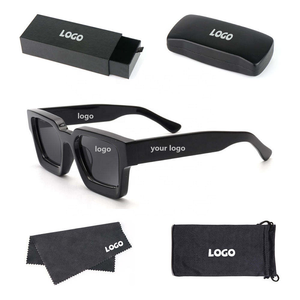

Curated frames balancing Danish functionalist design, laser-sintered polyamide, medical-grade stainless steel, and ultralight cellulose acetate for premium Latin American retail boards.
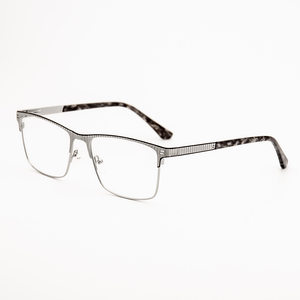

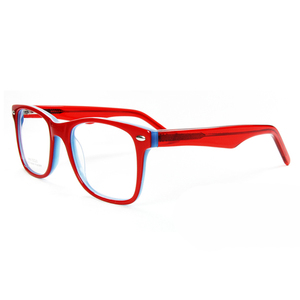
A rigorous examination of why Danish additive manufacturing disrupts traditional injection moulding and subverts the systemic overhead of conventional optical practices in Mexico.
Monoqool frames are manufactured utilizing precise industrial laser-sintering systems. By fusing fine bio-compatible polyamide powder layer-by-layer (each approximately 0.1mm thick), our frames achieve complex architectural profiles impossible with traditional CNC subtractive tooling. The resulting porous polymer matrix undergoes ultrasonic cleaning, mechanical glass-bead tumble polishing, and proprietary medical pigmentation baths to ensure an ultra-smooth, hypoallergenic touch that resists facial oils and cosmetic degradation.
Traditional wholesale eyewear failures stem predominantly from loosened temple screws, sheared threads, and degraded spring-hinge housings. Monoqool’s Danish architectural approach solves this structural vulnerability by integrating an interlocking, screwless mechanical hinge. Engineered in concert with ultra-thin surgical stainless steel and beta-titanium temples, the hinge distributes opening tension across the mechanical plane without friction-induced wear, drastically eliminating patient returns and post-sale clinic adjustments.
Weighing as little as 4 to 6 grams for the complete front structure, Monoqool 3D-printed frames eliminate bridge pressure indentations and lateral temple fatigue. The sintered polyamide features a low thermal conductivity profile: unlike cold metals or suffocating heavy acetates, the material immediately acclimates to human body temperature, providing an exceptional tactile interface that prevents slippage during prolonged high-concentration professional workflows.
How cutting-edge Danish 3D-printed eyewear addresses the environmental realities, corporate culture, and retail shifts across Mexico City, Guadalajara, Monterrey, and coastal tourist corridors.
In financial and innovation hubs such as Santa Fe and Polanco (CDMX), San Pedro Garza García (Monterrey), and Zapopan (Guadalajara), high-net-worth professionals demand minimalist, understated design statements. These wearers spend 10+ hours daily in dry, air-conditioned corporate towers facing high-energy visual display terminals. Monoqool’s ultralight physical profile drastically reduces nasal root fatigue and temporal pinching, pairing seamlessly with high-index digital progressive and blue-filtering lenses.
Mexico's expansive climate spectrum—ranging from coastal humidity and saline marine atmospheres in Quintana Roo, Baja California Sur, and Veracruz, to scorching arid heat across the Northern states—causes severe corrosion in standard brass screws and degrades cheap core wires. Sintered polyamide coupled with non-corrosive surgical stainless steel produces zero galvanic corrosion, resistance to sweat degradation, and zero frame warping under sudden thermal expansion cycles.
The Mexican optical market has historically been congested with mass-distributed, corporate-licensed eyewear brands manufactured by large multinational conglomerates. Forward-thinking optometrists (Licenciados en Optometría) and independent boutique owners are turning to Monoqool to reclaim exclusivity. By carrying independent 3D-printed Danish eyewear, Mexican practices capture the rapidly growing luxury demographic looking for craftsmanship, sustainability, and technological distinction.
Crucial logistical, regulatory, customs, and technical glazing details compiled specifically for Mexican optical clinics and independent optical enterprise owners.
Our global export operations provide complete commercial dossiers matching Mexican customs mandates. Invoices and packing lists clearly reflect HS Tariff classifications (HS Code: 9003.11 for plastic/polyamide frames and 9003.19 for hybrid metals). We work collaboratively with your preferred Agente Aduanal (Customs Broker) or coordinate through direct international couriers (DHL Express, FedEx, UPS) utilizing door-to-door DDP or DAP Incoterms, streamlining cross-border processing without unnecessary delays at borders or airports.
Glazing 3D-printed laser-sintered frames differs fundamentally from handling standard zyl acetate. Polyamide has high elastic recovery but low thermal softening. Opticians must cold-insert lenses or apply minimal, controlled thermal heating (never exceeding 50°C - 60°C). We recommend tracing the eyewire with 3D digital patternless edgers using a shallow bevel setting (standard 110-120° V-bevel with matched base curves between Base 4 and Base 5) to ensure secure retention without eyewire distortion.
We believe in building sustainable independent practices, which is why we do not impose punishing inventory minimums. New optical practices in Mexico can curate a balanced core assortment across classic architectural and contemporary silhouettes with flexible low-MOQ starter accounts. Sample review sets, virtual digital trunk consultations, and high-definition material samples are provided to ensure that frame geometry aligns with your practice demographic prior to volume orders.
Field data demonstrates that eliminating mechanical micro-screws reduces routine clinic adjustments and maintenance calls by over 80%. Monoqool hinges do not unscrew, strip, or shear off. In the rare event of structural impact or factory defects, our comprehensive manufacturer warranty provides rapid modular component replacement directly from our distribution networks, mitigating lost retail revenue.