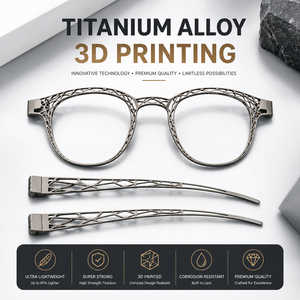
ISO9001 Custom Precision 3D Printed Titanium Optical Frame
Aerospace-grade selective laser sintered polyamide combined with featherweight Japanese beta-titanium temples. Zero screws, minimal stress fatigue.

A B2B Strategic Sourcing Intelligence Guide for Central Asian Optometry Chains, Wholesale Importers, and Independent Eye Care Practitioners
Engineered for high dispensability, anatomical ergonomics, and regional climate resilience. Explore our factory-direct wholesale inventory.
Aerospace-grade selective laser sintered polyamide combined with featherweight Japanese beta-titanium temples. Zero screws, minimal stress fatigue.
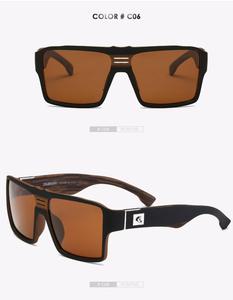
Constructed with high-modulus carbon fiber weave and magnesium alloy chassis. High UV400 absorption engineered for sunny arid terrains.
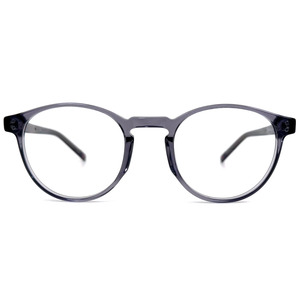
High-density organic cellulose acetate, cured for 60 days to prevent warping. Wire-core temples for bespoke optical dispensing adjustability.
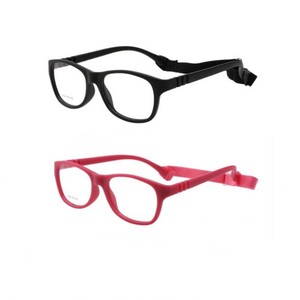
BPA-free medical-grade Swiss TR90 polymer. 180-degree flex hinge structures built to withstand rough physical usage in pediatric optometry.
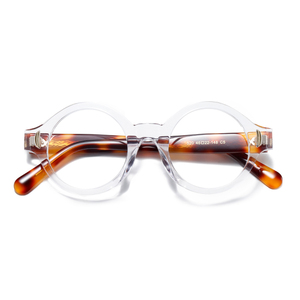
Ergonomically weighted front chassis featuring 72-hour tumbler polish with hand-buffed organic luster for high-end boutique display racks.
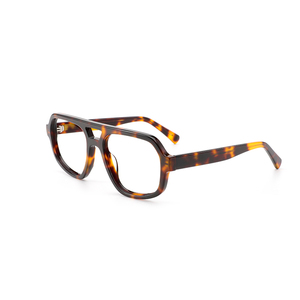
Designed specifically for tech professionals and students. Compatible with high-index ophthalmic prescription lenses and HEV digital blue coatings.
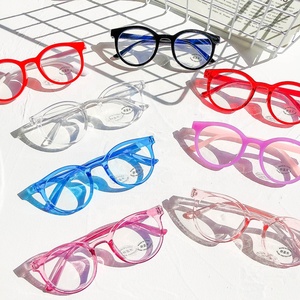
Crystal-clear hypoallergenic rim profile tailored for younger craniofacial ergonomics with soft silicone non-slip bridge pads.
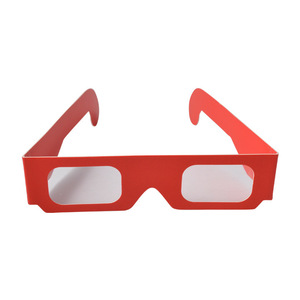
Precision red/cyan filtration optical film mounted in high-density virgin cardboard for large-scale marketing events, retail campaigns, and optics screening.
A technical assessment of ophthalmic demands across Tashkent, Samarkand, Bukhara, and the Fergana Valley.
The continental climate across Uzbekistan features summer temperatures exceeding +45°C in regions like Bukhara and Khiva, contrasted with freezing winter conditions. Standard low-grade plastics experience plasticizer leaching, becoming brittle or warping. Our heat-stabilized cellulose propionate and cured Italian/Mazzucchelli acetate maintain structural memory, preventing lens displacement under extreme atmospheric shifts.
Optical dispensing in Tashkent requires specialized bridge dimensioning. Central Asian nasal bridge structures frequently demand alternative fitting: shallower bridge depths, reduced pantoscopic tilts, and widened pad arms. Our OEM engineering services integrate ergonomic multi-axis titanium nose-pad brackets and custom-molded saddle bridges to eliminate temple pinching and focal slippage.
The rapid expansion of private vision clinics and luxury optical boutiques in Tashkent's modern commercial hubs requires diversified frame portfolios. Independent opticians face margin erosion from mass-market low-tier commodity imports. By incorporating exclusive 3D-printed titanium and artisan hand-finished frames, clinics protect retail markup while giving patients distinctive alternatives to chain stores.
Uzbekistan is rapidly emerging as the premier economic and logistics transit hub of Central Asia under the state-led industrial modernization programs. For eyewear importers and distributors, sourcing optical frames into Tashkent (TAS) has transformed with streamlined customs clearances, modern bonded warehousing, and bilateral trade alignments. However, importing optical goods requires strict compliance with sanitary certifications, GOST/UzStandard alignment, and verifiable conformity documentation from the country of origin. Sourcing from factories that lack ISO 9001 quality validation or CE/FDA dossiers frequently results in prolonged customs holds at Sergeli or Chukursay clearance terminals.
How macroeconomic investments, consumer demographics, and manufacturing technologies are redefining eyewear trade.
Urbanization and digital device adoption in Uzbekistan's school-age demographics have fueled an unprecedented demand for early myopia management and digital eye-strain protection. Optical practices in Tashkent are expanding their pediatric frame boards by over 40% year-on-year, driving large wholesale requirements for hyper-flexible, non-toxic TR90 frames and impact-resistant silhouettes.
Discerning retail buyers in Central Asia are moving away from heavy cast-metal alloy frames that corrode or cause nickel dermatitis during hot summer months. The regional market is rapidly shifting toward biocompatible materials: aerospace beta-titanium, screwless hinge mechanisms, and 3D-printed selective laser sintered frames that deliver superior weight distribution.
Historically, Uzbek optical retailers sourced inventory piecemeal through middleman wholesale bazaars like Abu Sahiy or secondary trading companies in Almaty or Istanbul. Leading regional optical chains now bypass intermediaries, establishing direct factory OEM/ODM accounts with established design houses to obtain exclusive territory rights, customized logo debossing, and superior margin structures.
Five generations of optical design, manufacturing stewardship, and dedicated wholesale logistics infrastructure.
Guided by optical craftsmanship since 1879. Our collections carry historical optical heritage, precision tooling, and timeless design aesthetics passed down across five generations.
Access our distinctive in-house brands (Erkers1879, NW77th, Tocco, The Neighbors) alongside premier distributed lines like Danish 3D-printed Monoqool and Parisian ba&sh Eyewear under a single vendor account.
Every optical front, bridge weld, and hinge barrel undergoes exhaustive laboratory mechanical fatigue testing, nickel-release screening, and ultrasonic cleaning before international export packing.
We provide full export dossier assistance, including certified Certificates of Origin (Form A / CT-1 equivalents), HS code classification, and bonded air/multimodal freight coordination into Uzbekistan.
Essential regulatory, financial, and logistical guidance for optical importers and retail clinic owners.
Optical frames imported into Uzbekistan must comply with the requirements of the Agency for Technical Regulation (UzStandard) and receive Sanitary-Epidemiological Conclusion (SES) certification. Frames must verify absence of toxic phthalates in acetate materials and meet nickel-release standards (EN 16128). We furnish complete technical product files, ISO 9001 declarations, and CE certificates to ensure seamless customs clearance through Tashkent customs terminals.
For catalog in-stock collections across our designer lines (Erkers1879, NW77th, Tocco, Monoqool), MOQs start at modest quantities designed for independent opticians (as low as 15–30 frames per order). For bespoke OEM/ODM manufacturing featuring custom private-label laser etching, custom dimensions, and branded packaging, production runs typically require 300 to 500 units per model across 2–3 acetate or metal color variants.
Air cargo shipments directly into Islam Karimov Tashkent International Airport (TAS) typically take 5 to 9 business days from dispatch, including intermediate transshipment. For high-volume sea-rail multimodal container shipments (typically routed via regional dry ports), transit averages 25 to 35 days. We coordinate DAP or CIP Tashkent terms with complete export declaration packs.
Yes. We have specialized tooling capabilities for localized bridge ergonomics. Our engineering department can adjust bridge spread angles, provide shallower pad recessions, or incorporate extended beta-titanium pad arms on acetate frames. This ensures that eyeglasses provide zero-slip alignment for Central Asian facial profiles, preventing unwanted frame contact with cheekbones.
We work with commercial banks in Uzbekistan supporting standard international telegraphic transfers (T/T in USD or EUR) via SWIFT. For larger recurring volume contracts or national tenders, Irrevocable Letters of Credit (L/C at sight) can be arranged with established financial institutions.
All Studio Optyx and partner frames come backed by our manufacturer warranty against material and manufacturing defects. For wholesale partners, we provide supplemental parts packs (including spare matching temples, hinges, screws, and medical silicone nose pads) alongside each volume delivery, eliminating retailer downtime at the dispensing counter.