From structural aerospace carbon fibers to ultra-flexible memory polymers engineered to withstand extreme continental temperature variances, explore our core export lineup optimized for independent practices, retail chains, and ophthalmic laboratories across Almaty, Astana, and Shymkent.
The Republic of Kazakhstan represents the undisputed commercial engine and logistical crossroad of Central Asia. Driven by sustained urbanization across major metropolises like Almaty, Astana, and Shymkent, alongside substantial industrial expansion in resource corridors like Atyrau and Karaganda, the domestic demand for high-performance optical goods has entered a definitive paradigm shift. Kazakh eyecare practitioners (ECPs), optical chain conglomerates, and regional distributors are decisively transitioning away from unregulated, low-grade border trade toward institutional partnerships with certified, vertically integrated manufacturing houses.
Understanding the procurement vectors in Kazakhstan requires analyzing the nexus of geography, macroeconomics, and regulatory integration. Operating within the Eurasian Economic Union (EAEU) framework, Kazakhstan enforces strict Technical Regulations (TR CU) governing medical devices, ophthalmic products, and personal protective wear. The importation of prescription optical frames and optical inspection machinery demands rigorous documentation—specifically EAC Declarations of Conformity and, for clinical therapeutic devices, registration dossiers recognized by the National Center for Expertise of Medicines and Medical Devices (Ministry of Healthcare of the Republic of Kazakhstan). Distributors failing to partner with factories capable of supplying verifiable material test reports, ISO 9001 certifications, and raw material traceability face severe border clearance delays at major transit customs posts like Khorgos, Zhetygen, and Almaty International Airport.
Furthermore, Kazakhstan’s retail optical sector is experiencing a pronounced bifurcation. On one hand, expanding urban affluence in Almaty's Medeu district and Astana’s Highvill sectors has fueled unprecedented appetite for boutique, independent designer collections—pieces defined by multi-barrel riveted hinges, custom Mazzucchelli-grade cellulose acetate, and aerospace-grade carbon fiber/titanium hybrids. On the other hand, the massive surge in pediatric myopia, propelled by intense educational curricula and ubiquitous digital screen usage, has created urgent demand for pediatric optical frames manufactured from non-toxic, food-grade silicone and flexible Swiss-formulated TR90 memory polymers. Our design and manufacturing house serves precisely as the bridge for this multifaceted requirement, delivering century-tested engineering directly to Kazakhstan’s commercial hubs.
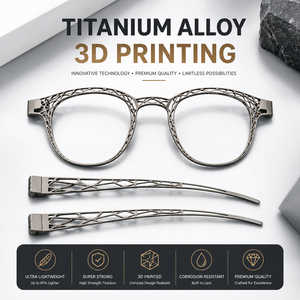
Winter temperatures in Astana, Petropavl, and Kostanay regularly plunge below -35°C, causing cheap standard plastics to undergo rapid glass transition embrittlement and mechanical failure. Our injection-molded high-grade TR90 and additive 3D titanium frames maintain high ductile elasticity, preventing bridge fracture and temple snapping during rapid shifts between freezing outdoor blizzards and dry heated indoor atmospheres.
Engineers, industrial managers, and operations staff across the Caspian basin require frames resistant to sulfur dioxide, saline maritime moisture, and petrochemical vapors. Our carbon fiber hybrid temples and electroplated anti-corrosion metals guarantee zero galvanic degradation, eliminating skin irritation and frame discoloration under grueling industrial conditions.
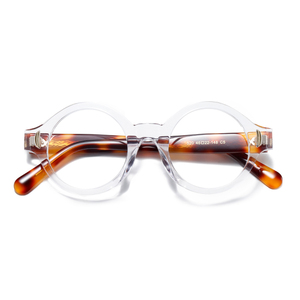
In the cultural capitals of the South, consumers view eyewear as prominent personal iconography. Our vintage-inspired, hand-polished thick-profile acetates (drawing heritage from 1879 design vaults) provide independent boutiques with exclusive, non-mass-market collections that command premier margins without retail price erosion from big-box discounters.
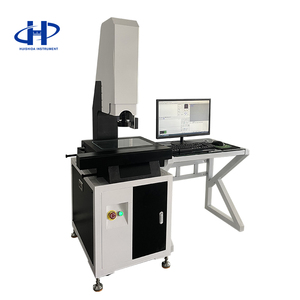
Kazakh opticians are heavily investing in internal surfacing and automated lens finishing labs to shorten customer turnaround from days to hours. This necessitates ultra-precise dimensional consistency in frame bevels and eyewires. Our deployed 2D optical coordinate testing technology ensures that factory batches adhere to micro-tolerances (±0.02mm), preventing lens popping and axis misalignments during automated edging on Nidek or Essilor machinery.
Kazakh customs authorities have intensified scrutiny over nickel-release safety (EN ISO 12870 compliance) and mechanical hinge stability. B2B importers are consolidating their supplier rosters, dropping unverified trading companies in favor of directly audited factories that supply end-to-end certification packages, transparent billing, and standardized batch documentation ready for single-window customs declarations.
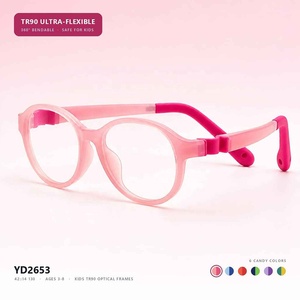
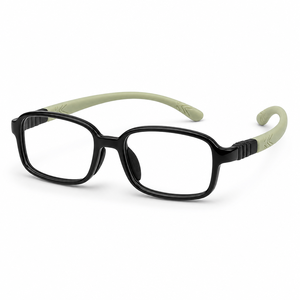
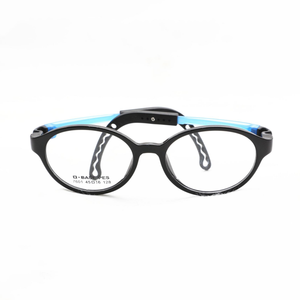
With nationwide health initiatives focusing on early pediatric myopia control, demand for orthopedic children's optical frames has expanded by over 24% annually. Retailers require medical-grade liquid silicone and biocompatible TR90 frames with interchangeable strap systems, anatomical bridge pads designed for developing nasal profiles, and shatterproof temple construction that protects active school children.
The expansion of the Dry Port at the Khorgos Gateway and the modernization of China-Europe freight rail arteries crossing Dostyk have revolutionized delivery timetables. Air-freight to Almaty (ALA) and rail containerization to Zhetygen logistics terminals now deliver bulk factory optical orders in 5 to 10 days, allowing Kazakh wholesalers to execute rapid replenishment cycles with low warehouse holding costs.
Distinguished by a heritage dating back to 1879, our organization brings over 145 years of continuous optical design and precision production expertise to our global wholesale partners. Where standard brokers merely trade generic commodities, we operate as a full-spectrum design and manufacturing powerhouse. Every optical frame silhouette, barrel hinge assembly, and core temple wire reflects five generations of generational knowledge, meticulously adapted to modern metallurgical and polymer sciences.
Our manufacturing facilities operate under strict ISO 9001 certified quality management systems, combining classic artisanal hand-polishing techniques with state-of-the-art multi-axis CNC milling and additive selective laser sintering (SLS) 3D titanium manufacturing. By controlling our toolmaking, raw material blending, and finishing operations in-house, we eliminate the quality drift common among fragmented subcontracting factories.
For Kazakh distributors and private-label optical chains, this heritage delivers concrete commercial advantages:
Every production run undergoes strict automated 2D coordinate dimensional screening, high-frequency hinge cycling (20,000+ open-close tests), and sweat-saline immersion tests ensuring enduring performance across Central Asia's harsh environments.
We support regional chains across Kazakhstan with bespoke laser engraving, customized packaging in Russian/Kazakh Cyrillic, and turnkey physical Trunk Show presentation displays that elevate in-store dispensing experiences.
Unlike rigid state-owned manufacturing conglomerates, our agile manufacturing cells accommodate low minimum order quantities (MOQs) across diverse styles, enabling boutique owners to curate diverse frame boards without capital lockup.
Whether you are expanding a chain of optical clinics across Almaty and Karaganda or establishing an exclusive regional wholesale brand across Central Asia, our technical engineering team provides direct B2B consultation, complete documentation compliance, and uncompromised optical precision.
Authoritative guidance on logistics corridors, regulatory declarations, cold-weather material performance, and account opening for businesses in Kazakhstan.
Every commercial export order destined for Kazakhstan is supplied with a comprehensive international customs clearance package. This includes factory ISO 9001:2015 certificates, European CE declarations of conformity (EN ISO 12870:2018 for ophthalmic frames), complete RoHs and REACH chemical safety test reports confirming zero nickel release, sanitized packing lists, commercial invoices with exact Harmonized System (HS) codes (e.g., 9003.11 for plastic frames, 9003.19 for precious/base metal frames), and Certificates of Origin (Form A / Form RCEP where applicable). For medical-grade corrective frames requiring registration with the Kazakh Ministry of Healthcare, our technical engineering bureau supplies technical files and engineering blueprints to support your local registration agent.
Standard cheap plastic frames utilize low-molecular-weight recycled polymers and excessive plasticizers that lose all ductility below 0°C, leading to catastrophic brittle fractures under minor torsional stress. Our optical frames for cold-climate zones employ virgin Swiss EMS Grilamid TR90 memory resin and aged, high-density cellulose acetate cured for a minimum of 90 days. These advanced materials maintain mechanical flexibility down to -40°C. In addition, our multi-barrel hinges are anchored with internal reinforcement wire cores that distribute flexural strain across the temple rather than focusing it at the hinge root.
We routinely export under EXW, FOB, CIP Almaty, and DDP terms depending on your brokerage capabilities. Standard freight options include:
1) Express Air Cargo directly to Almaty International Airport (ALA) or Nursultan Nazarbayev International Airport (NQZ), with a transit time of 3 to 6 business days after dispatch.
2) Cross-Border Dedicated Road/Rail Freight through the Khorgos Land Port directly to customs warehouses in Almaty (Zhetygen terminal) taking 7 to 12 days. We coordinate directly with leading regional forwarders (such as Kazpost, DHL, or your designated consolidation agent in Urumqi or Guangzhou).
We maintain an agile two-tier wholesale framework designed to support both independent optometry practices and large-scale distributor networks:
• Ready-to-Ship Inventory Collections: Minimum order quantities start as low as 5 to 10 pieces per model/colorway, allowing independent opticians in Almaty or regional clinics to test curated board assortments without substantial capital risk.
• Custom OEM / ODM Private Label Production: Full bespoke runs (custom pantone acetate laminations, proprietary temple sculpting, branded laser temple cores, and custom packaging) generally require 300 to 500 pieces per model across multiple colorways. Sample prototypes are engineered and dispatched within 14 to 21 business days.
To provide maximum financial convenience amidst global currency fluctuations, we accept international wire transfers via standard SWIFT (USD, EUR) as well as direct cross-border CNY (Chinese Yuan) interbank clearing, which has become highly advantageous for Kazakh financial institutions through the Kazakhstan-China currency clearing mechanism. For established, recurring distribution contracts, we also support confirmed, irrevocable Letters of Credit (L/C at sight) and milestone-based production terms (30% deposit upon order confirmation, 70% against Bill of Lading / QA inspection release).
Automated lens edging machines depend on precise symmetry between left and right eye rims, accurate base curve consistency, and uniform groove bevel depth. Our proprietary Portable Automatic Optical 2D Coordinate Measuring System inspects frames during final quality auditing. This system scans frame geometry at sub-micron resolutions, confirming that eyewire dimensional deviations do not exceed 0.02mm. Consequently, your dispensary lab technicians experience zero lens slippage, no frame warpage during hot air lens insertion, and guaranteed axis accuracy for high-astigmatism and progressive lens prescriptions.
Connect directly with our senior optical export engineering team. Request full wholesale lookbooks, sample trial sets, certified EAEU documentation packages, or confidential OEM/ODM manufacturing quotes tailored specifically for the Kazakhstan market.
Inquire Now