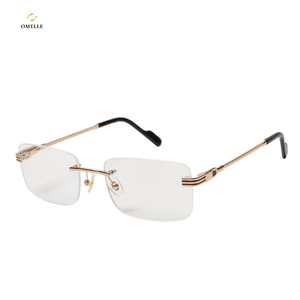
Optical Frame
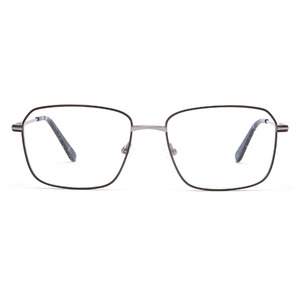
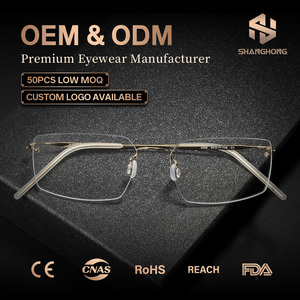
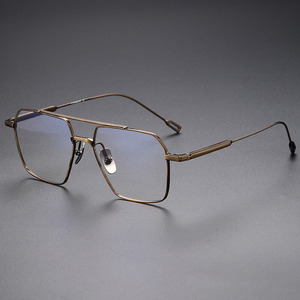
New Arrival Minimalist Rimless Glasses Frame with Metal Temples Clear Lenses Comfortable Everyday Wear Unisex Optical Design
Featherlight Ergonomics
View Spec →

The Pakistani optical retail and wholesale market is experiencing an unprecedented structural transition. Optical practitioners across major economic hubs—including Shah Alam Market in Lahore, Lucky Star and Bolton Market in Karachi, and the commercial avenues of Rawalpindi and Islamabad—are transitioning away from fragile, petroleum-based injection plastics (such as PC and cold-formed CP). Today’s discerning urban eyewear consumer actively demands organic, high-luster cellulose acetate offering ergonomic weight balance, skin biocompatibility, and enduring structural stability against the region's climatic extremes.
Each unit undergoes 48 precision manufacturing operations, featuring CNC multi-axis milling, wire-core thermal insertion, reinforced 5-to-7 barrel hinges, and biocompatible hand finishing calibrated for South Asian facial anatomical profiles.

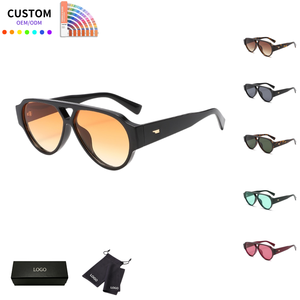
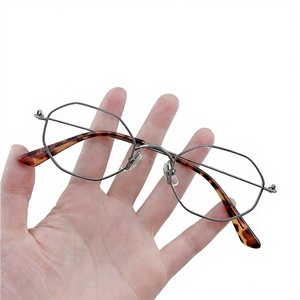
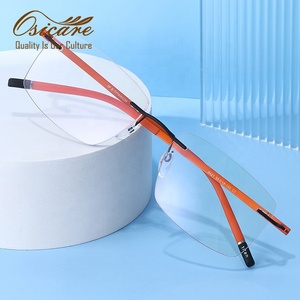
Optical performance cannot be divorced from geographical reality. Our cellulose acetate formulations solve real-world dispensary failure points encountered across the varied climatic zones of Pakistan.
Karachi’s intense coastal humidity and saline airborne atmosphere cause inferior metal hinges to oxidize and standard plasticizers to leech out, leading to frame discoloration and temple crystallization. Our premium acetate incorporates internal stainless-steel wire cores bonded through curing cycles, paired with nickel-free, electro-deposited 5-barrel hinges that withstand marine corrosion.
During extreme summer heat waves where ambient temperatures surpass 45°C in Lahore, Multan, and Faisalabad, cheaply molded injection frames experience frame splay, lens pop-out, and temple deformation. Our cured, block-cut cellulose acetate features cross-linked molecular density, retaining rigorous frame groove tension and structural bridge alignment indefinitely.
Standard Western temple and bridge calibrations regularly fail the comfort threshold of Pakistani patients. We engineer customized saddle and modified keyhole bridges with shallower apical angles (32° to 38°) and wider pad face angles. This distributes frame weight evenly across broader nasal crests, eliminating uncomfortable slipping and painful nasal bridge pinching.
Professional optometrists and boutique chain managers must understand why investing in certified cellulose acetate creates sustainable, repeat-patient dispensary revenue.
| Performance Characteristic | High-Purity Cellulose Acetate (Studio Optyx Standard) | Molded Injection Plastic (PC / CP Plasticizer) | Optical Advantage for Pakistani Opticians |
|---|---|---|---|
| Raw Material Origin | Renewable cotton linters and sustainable wood pulp polymer flakes | Petrochemical synthetic resins with volatile plasticizers | Hypoallergenic, skin-friendly, does not cause sweat dermatitis in high heat |
| Manufacturing Process | Sheet extrusion, long curing, multi-axis CNC milling, hand wheel buffing | High-pressure liquid melt injection molding into cold molds | Infinite chromatic depth, organic tortoiseshell patterns, zero mold seam lines |
| Dispensary Adjustability | Easily heat-adjusted on bench frame warmers; retains optical temple wrap | Brittle memory; snapping risk when heated; reverts to original molded mold | Enables exact custom fitting by optometrists during lens dispensing |
| Surface Restoration | Can be buffed and micro-polished back to showroom mirror shine after years | Surface coating chips, peels, and cannot be buffed without ruin | Increases frame longevity, enabling multi-year prescription lens replacement |
| Hinge Anchor Mechanism | Riveted or heat-staked deep into cured acetate blocks with steel core wire | Glued or lightly pressed into thin hollow resin cavities | Eliminates temple detachment during rugged daily motorcycle and car commutes |
Data-driven strategic shifts impacting how independent opticians and national optical chains build inventory across Punjab, Sindh, and Khyber Pakhtunkhwa.
With Pakistan’s booming freelance economy and tech sector expansion, daily screen hours among professionals have reached 8.5+ hours. Demand for prescription-ready polygonal acetate frames fitted with premium anti-blue light and anti-reflective lenses has grown over 40% year-on-year.
Eyewear is no longer viewed merely as an optical prosthetic. Pakistani consumers now curate dedicated eyewear wardrobes for weddings, Eid festivities, and social gatherings. Rich havana tortoiseshell, champagne crystal, and deep emerald acetate styles command the highest gross margin on retail frame boards.
Optical retail proprietors are actively avoiding monopolistic conglomerate brands with razor-thin retailer margins and pervasive grey-market counterfeit competition. Stocking independent, high-craftsmanship acetate collections allows retailers to preserve 60-70% margins while protecting store reputation.
Boutique optical clinics in Lahore DHA and Karachi Clifton are commissioning exclusive OEM runs. Having subtle laser logos on internal acetate core temples elevates dispensary brand equity and insulates local clinics from online price-matching wars.
Rooted in five generations of optical bench craftsmanship, our manufacturing collective bridges artisan heritage with computerized precision manufacturing.
Guided by continuous optical bench heritage since 1879, our collections (including Erkers1879, NW77th, Tocco, and The Neighbors) are designed by practicing opticians who understand exact frame face-form angles, vertex distance optimization, and beveling tolerances for high-index prescriptions.
Every production batch undergoes 10,000-cycle temple fatigue testing, hinge torque stability testing, sweat acid resistance immersion assays, and bridge tensile loading checks. Frames arrive in Pakistan straight, true, and ready for immediate lens edging without bench straightening.
We eliminate multiple trading intermediaries. Pakistani distributors benefit from direct factory wholesale tariffs, comprehensive marketing assets, luxury counter-top displays, branded hard-shell cases, micro-fiber cleaning cloths, and full OEM laser pad-printing support.
Practical, transparent answers regarding customs tariffs, WeBOC compliance, shipping lead times, and private label execution.
All commercial exports are classified under correct Pakistan Customs HS Code chapters (typically HS 9003.11.00 for spectacle frames of plastics/cellulose acetate and HS 9003.19.00 for other materials). We provide complete commercial invoices certified by the Chamber of Commerce, certified packing lists with gross/net weights per SKU, Certificate of Origin (COO), and clean Bills of Lading / Air Waybills (AWB) to ensure rapid clearing at Jinnah International Airport (Karachi), Allama Iqbal International Airport (Lahore), or Karachi Port Trust (KPT).
For ready-to-ship catalog models from our independent design portfolio, our minimum order quantity starts as low as 50 to 100 units across assorted SKUs, enabling independent practices in Islamabad, Lahore, and Karachi to trial styles without over-leveraging working capital. For custom OEM manufacturing featuring bespoke acetate sheet cutting, customized core-wire laser engraving, and custom case branding, standard MOQs are 300 units per style (100 units per colorway).
We accommodate institutional payment workflows compliant with State Bank of Pakistan (SBP) foreign exchange guidelines, including Irrevocable Letters of Credit at Sight (L/C at Sight), Document Against Payment (DP), as well as standard Telegraphic Transfers (T/T with 30% production deposit, 70% prior to dispatch). For vetted long-term distributor accounts, customized rolling trade credit terms can be arranged.
Both materials represent the gold tier of dispensary profitability. Cellulose acetate offers superior visual volume, artisanal color layering, and bolder aesthetic presence, which are currently dominant trends across Pakistani fashion hubs. Beta-titanium and pure titanium offer maximum structural minimalism and corrosion resistance. Leading retailers routinely stock a 60/40 ratio of acetate to titanium frames to capture both creative fashion wearers and executive minimalist buyers.
Yes. We regularly supply sample kits to verified optical importers and clinic owners across Pakistan via express air freight (DHL/FedEx door-to-door delivery typically within 4-6 business days). This allows your chief optometrists and dispensing staff to physically inspect hinge action, hand-buffed acetate luster, bridge beveling, and glazing compatibility before committing to seasonal wholesale orders.