
From premium cured acetate frames tailored for upscale opticians in Pocitos and Carrasco to ultra-durable blue-light computer reading spectacles for modern digital enterprises across Zonamérica and Montevideo.
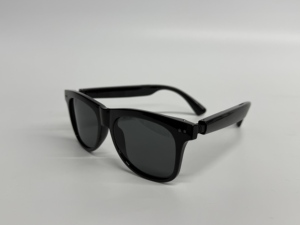
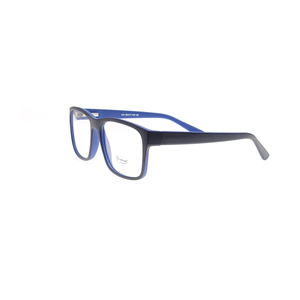
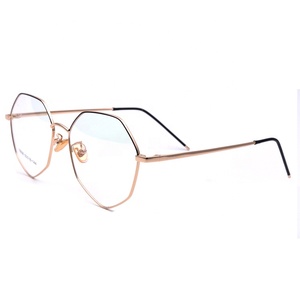
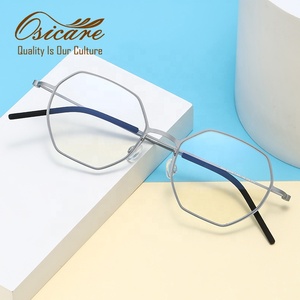
The Oriental Republic of Uruguay represents one of Latin America's most affluent, sophisticated, and structurally unique optical marketplaces. Characterized by the continent's highest GDP per capita (exceeding USD $20,000) and an exceptionally high Human Development Index (HDI), Uruguay exhibits consumer purchasing behaviors that mirror Southern European markets rather than general regional developing trends. From the historic dispensing practices of Ciudad Vieja and upscale optometry boutiques in Pocitos, Carrasco, and Punta Carretas, to commercial pharmaceutical networks throughout Canelones, Maldonado, and Salto, the demand for pre-calibrated reading spectacles and customizable optical frames is undergoing a rapid technological evolution.
Historically, the Uruguayan reading glasses market was dominated by low-cost commodity magnifiers imported through informal distribution routes. However, modern Uruguayan consumers—empowered by extensive healthcare coverage through the Sistema Nacional Integrado de Salud (SNIS) and elevated visual hygiene awareness—now reject brittle polystyrene lenses that induce spherical aberration, optical distortion, and asthenopic eye strain. Today's commercial optical importers, chain pharmacies (such as Farmashop and San Roque), and independent opticians require factory partners capable of delivering verified optical centers, scratch-resistant hard multi-coatings (HMC), precision dioptric gradations (+1.00 to +3.50 in strict 0.25D increments), and hypoallergenic skin-contact materials compliant with strict Mercosur sanitary regulations.
Aligning frame geometries, lens coatings, and packaging styles with specific geographic, industrial, and socioeconomic micro-markets across Uruguay.
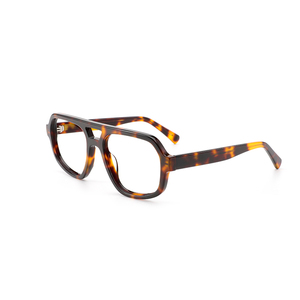
Within the World Trade Center Montevideo, Zonamérica tech campus, and Aguada Park, professional knowledge workers spend 9+ hours daily in front of high-luminance displays. Our custom acetate and beta-titanium frames fitted with 420nm blue-light attenuating reading lenses resolve digital eye fatigue, offering sophisticated executive aesthetics that match high-end corporate dress codes.
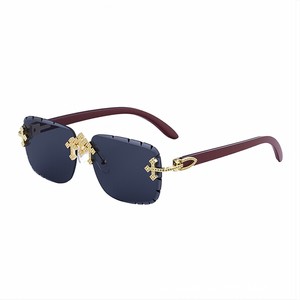
Uruguay's international luxury corridor demands dual-purpose reading solutions. Affluent retirees, seasonal tourists, and yachtsmen require UV400 sun-readers, polarized bifocal sunglasses, and diamond-cut frameless silhouettes that combine reading magnifications (+1.50 to +3.00) with robust albedo-glare protection for coastal alfresco dining and sailing along the Atlantic shore.
Major nationwide retail pharmaceutical chains require pre-packaged, barcoded, drop-tested reading glasses in rapid-turnover visual counter towers. Engineered with shatter-resistant polycarbonate or optical-grade acrylic lenses, these units deliver zero optical distortion at an accessible price tier, providing substantial gross margin ROI for pharmacy distributors.
Independent practitioners across Montevideo's 18 de Julio corridor and interior capitals (Salto, Paysandú, Colonia) focus on patient trust and custom lens fitting. We supply raw optical frames featuring cold-insert bevel grooves, demo acrylic lenses with printed pad lines, and multi-barrel hinges that optometrists can easily glaze with custom progressive or personalized prescription lenses.
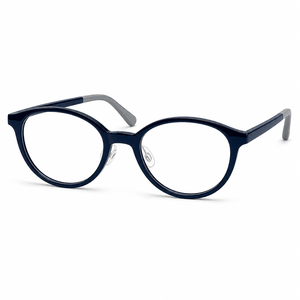
As the first country in the world to implement a universal 1:1 student laptop initiative (Plan Ceibal), Uruguay's younger generations and academic professionals experience prolonged exposure to short-wavelength blue light. Our specialized youth and junior optical frames feature food-grade flexible TR90 components, preventing temple breakages while blocking peak 415-455nm HEV blue radiation.
In rural hubs, pulp mill operations (Fray Bentos, Paso de los Toros), and logistics gateways like Nueva Palmira, operational inspectors require high-impact readers. Our rubberized TR90 frames fitted with scratch-resistant poly diopter lenses provide reliable near-vision clarity for reading technical manifests, diagnostic equipment, and machinery schematics in challenging physical environments.
Critical shifts impacting optical wholesale procurement, compliance protocols, and consumer preferences over the next five years.
Uruguayan consumers are fiercely conscious of ecological preservation. Importers increasingly transition toward bio-cellulose acetates plasticized with vegetable-derived triethyl citrate instead of petroleum phthalates, meeting circular economy standards set by the Ministry of Environment (MA).
The Ministerio de Salud Pública (MSP) is strengthening sanitary inspections of pre-mounted reading glasses. Suppliers must provide certified compliance reports verifying uniform spherical centers, non-toxic galvanic coatings, and ISO 16034 compliance for over-the-counter reading aids.
Traditional single-vision reading glasses are steadily losing market share to degressive office readers. Uruguayan telecommuters prefer lenses that offer smooth transitions between immediate reading (+2.00D) and computer display distance (+1.00D), eliminating visual fatigue.
Screw loosening remains the leading cause of return rates in reading spectacles. Forward-thinking Uruguayan distributors favor laser-cut surgical stainless steel and 3D-printed selective laser sintering (SLS) nylon designs that operate without mechanical hinge screws.
Authoritative answers addressing regulatory registrations, customs documentation, logistics routes, and retail distribution parameters.
Under the regulations of the Uruguayan Ministerio de Salud Pública (MSP), over-the-counter reading glasses and corrective optical devices fall within sanitary surveillance categories intended to protect public visual health. Importers must hold an active registered optical import license (Registro de Empresa Importadora de Dispositivos Médicos / Tecnología Médica). Our production facilities supply all documentation required for your Technical Director (Director Técnico Químico Farmacéutico o Técnico Óptico), including Certificates of Analysis (COA), ISO 13485 / ISO 16034 quality compliance certificates, biocompatibility documentation for skin-contact materials (ISO 10993 cytotoxicity and skin irritation testing), and CE declarations of conformity. This ensures uninterrupted sanitary clearance at customs without shipment detention.
Ready-made reading spectacles imported from extra-zone manufacturing facilities (such as China or Europe) into Uruguay are classified under NCM (Nomenclatura Común del Mercosur) code 9004.90.10 (Corrective Spectacles/Glasses) or 9003.11.00 / 9003.19.00 for optical frames. These items are subject to the Arancel Externo Común (AEC), typically ranging from 14% to 18%, in addition to standard import VAT (IVA of 22%), the consular fee (Tasa Consular), and port handling charges (Tarifas ANP). We provide optimized, highly itemized commercial invoices, packing lists with verified net weights, and complete customs manifests that allow your Despachante de Aduanas (customs broker) to clear goods smoothly through the Port of Montevideo or Carrasco International Airport.
For high-volume retail orders (over 5,000 units), ocean freight routed through the Port of Montevideo (Puerto de Montevideo) offers optimal cost efficiency. Average transit times from our international loading ports range from 32 to 40 days. Alternatively, for time-sensitive boutique optical collections or rapid inventory replenishment during peak retail cycles, we utilize direct air cargo services arriving at Aeropuerto Internacional de Carrasco (MVD) with 4 to 7 business day turnarounds. Additionally, we support bonded warehousing deliveries directly into free zones such as Zonamérica, Parque de las Ciencias, or WTC Free Zone for clients using Uruguay as a regional distribution hub to re-export across Argentina, Paraguay, and Southern Brazil.
Based on extensive historical ordering patterns across Southern Cone pharmacy and optical retailers, we recommend a balanced diopter mix focused heavily on early-to-mid presbyopic powers. A standard 100-piece carton is typically structured as follows:
• +1.00 D: 10% (Early onset, low-power desktop readers)
• +1.50 D: 25% (High volume, general purpose near vision)
• +2.00 D: 30% (Peak core demand bracket across age 50+)
• +2.50 D: 20% (Substantial retirement & fine-print segment)
• +3.00 D: 10% (Advanced presbyopic magnification)
• +3.50 D: 5% (Specialized low vision or craft work)
We customize this curve dynamically to your historical replenishment metrics and point-of-sale telemetry.
Yes. Every batch produced for Uruguayan distribution can be configured with retail-ready compliance packaging. This includes localized Spanish labeling stating the manufacturer, importer tax ID (RUT), lens magnification power, mandatory warning statements ("No sustituye el examen visual profesional"), and pre-printed GS1 compliant EAN-13 barcodes mapped directly to your internal ERP inventory codes. Frames can also feature tampographic diopter indicators on the inner temple tips for easy consumer selection on open pharmacy floor displays.
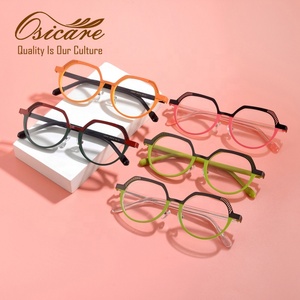
For ready-to-ship stock collections, our standard MOQ is as low as 300 units per model, allowing optical boutiques and independent regional distributors to test new silhouettes without tying up substantial working capital. For completely customized OEM/ODM projects (custom acetate colors, bespoke core wire embossing, branded temple logos, and custom case packaging), production MOQs generally begin at 1,200 units (divided across 3 to 4 colorways). Physical production samples are prepared and dispatched via DHL within 7 to 10 days for approval, and full mass-production runs are completed within 35 to 45 business days depending on order complexity.
Our blue-light filtering lenses utilize dual-action hybrid technology: high-grade optical monomer with intrinsic UV420 absorption molecules combined with multi-layer vacuum dielectric interference coatings. This blocks over 99% of harmful UVA/UVB rays and attenuates 35% to 45% of high-energy visible (HEV) blue light in the critical 415-455nm band. Crucially, our spectral transmission profile avoids extreme yellow tint distortion, preserving greater than 90% luminous transmittance in the 550nm visible photopic range. This ensures crisp visual contrast that complies fully with ANSI Z80.3, EN ISO 12312-1, and MERCOSUR optometric quality standards.
Yes. Sourcing inventory is only the first step; maximizing point-of-sale rotation is essential. We engineer modular 36-piece, 72-piece, and 120-piece rotating floor and counter displays constructed from brushed aluminum, smoked acrylic, and sustainably harvested wood finishes. We also supply complete trunk-show presentation kits, branded microfiber cleansing cloths, polarized demonstration testing cards, and promotional point-of-sale collateral designed to help your sales associates communicate optical value effectively to consumers.
Whether you are outfitting a chain of pharmacies across Montevideo and Canelones or launching an exclusive designer optical line for luxury boutiques in Punta del Este, our five generations of optical engineering excellence are at your service.